The Impact of Melting Antarctic Ice on Carbon Sinks: A New Perspective
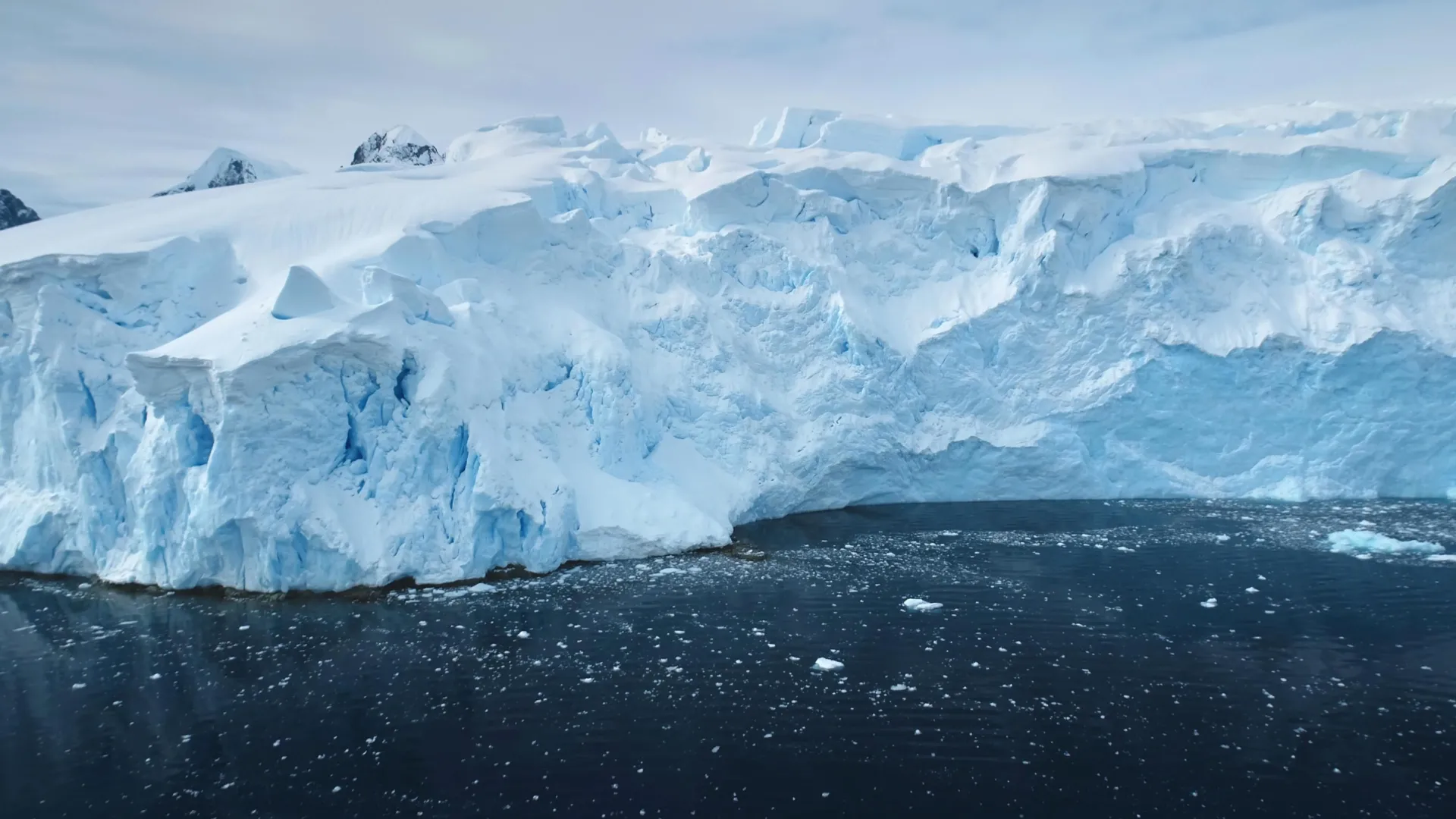
Recent studies have revealed a troubling connection between the melting ice of West Antarctica and its implications for global carbon sinks. For years, scientists have viewed the Southern Ocean as a vital carbon sink, a natural reservoir that absorbs a significant portion of carbon dioxide from the atmosphere. However, new research indicates that as Antarctic ice continues to melt, the anticipated benefits to marine ecosystems and carbon absorption may not materialize as expected. This revelation shifts our understanding of the relationship between ice melt and carbon sequestration, highlighting a complex interplay that demands urgent attention and further investigation.
The Southern Ocean is unique in its ability to absorb carbon dioxide, primarily due to its rich iron content. Iron is a crucial nutrient for phytoplankton, microscopic marine organisms that form the base of the oceanic food web. When phytoplankton flourish, they absorb carbon dioxide during photosynthesis, thereby reducing the amount of this greenhouse gas in the atmosphere. Historically, melting Antarctic ice contributed iron to these waters, stimulating phytoplankton growth and enhancing the ocean's role as a carbon sink. However, recent findings indicate that the iron released from melting glaciers is not in a bioavailable form, meaning it cannot be readily utilized by phytoplankton. This poses a significant challenge to the expected benefits of ice melt on carbon absorption rates.
The implications of this research are far-reaching. As climate change accelerates, the ice sheets of West Antarctica are experiencing unprecedented rates of melting. Scientists had hoped that this would lead to increased phytoplankton blooms, which would subsequently enhance the ocean's capacity to sequester carbon. Instead, the realization that the iron released from ice melt is largely ineffective could mean that we are inadvertently reducing the Southern Ocean's ability to mitigate climate change. This could have dire consequences for global climate patterns, as the ocean's role in absorbing carbon dioxide is critical in slowing the pace of climate change and its associated impacts.
Furthermore, the shift in understanding the relationship between Antarctic ice melt and carbon uptake aligns with a broader trend in climate science. Researchers are increasingly recognizing the complexity of marine ecosystems and the various factors that influence their functioning. Ocean acidity, temperature changes, and nutrient availability all play significant roles in determining how effectively phytoplankton can thrive and sequester carbon. As these conditions fluctuate due to ongoing climate change, the interactions between different elements of marine ecosystems become more intricate, complicating predictions about future carbon absorption capabilities.
Ongoing studies are essential to comprehensively understand these dynamics. Scientists are exploring various dimensions of marine ecosystems, including the chemical forms of iron released from melting ice and how they interact with other nutrients in the water. By gaining insights into these processes, researchers hope to develop more accurate models that can predict future changes in carbon cycling and improve our understanding of how marine ecosystems will respond to continued climate change. The need for this research is pressing, as the consequences of unchecked carbon emissions become increasingly severe, leading to more extreme weather events, sea-level rise, and disruptions to global ecosystems.
As the world grapples with the consequences of climate change, understanding the role of critical ecosystems like the Southern Ocean becomes vital. The findings regarding the inefficacy of iron from melting Antarctic ice highlight the necessity of reevaluating our assumptions about natural carbon sinks. As we move forward, it is imperative that policymakers and scientists work collaboratively to integrate these insights into climate action strategies. By doing so, we can better prepare for the challenges posed by climate change and strive toward more effective solutions that bolster both environmental and human resilience.