The Impact of Political Changes on Polar Research: A Closer Look
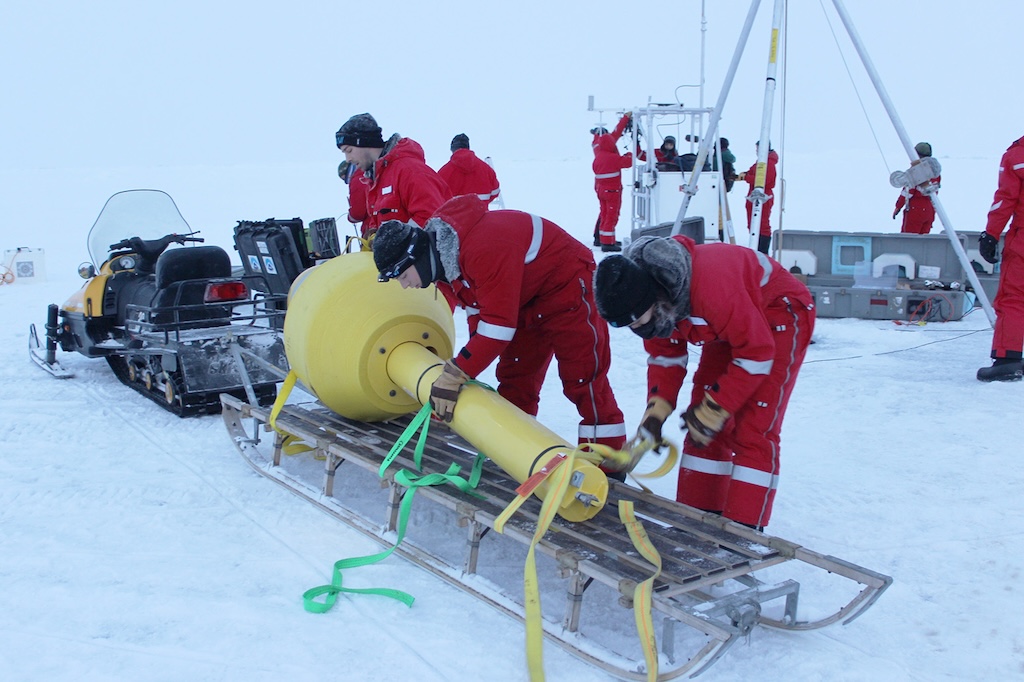
The polar regions of Earth, known for their unique ecosystems and critical role in the global climate system, are facing unprecedented challenges. The recent political climate in the United States, particularly under the administration of Donald Trump, has raised significant concerns among scientists and researchers dedicated to understanding and preserving these fragile areas. Cuts to funding, personnel, and research initiatives have left a palpable void in polar research, affecting not only the scientific community but also the global understanding of climate change and its implications. As researchers grapple with these changes, the urgency to address the scientific needs of the polar regions has never been greater.
The United States has held a prominent position in polar research for over a century, owing largely to its wealth, resources, and strategic geographical presence. The National Science Foundation (NSF) has historically been the largest funding source for polar research worldwide, overseeing projects in both the Arctic and Antarctic through its Office of Polar Programs. This agency has facilitated vital research operations across several U.S. bases in Antarctica, including McMurdo Station and the Amundsen-Scott South Pole Station. These locations serve as hubs for international collaboration and scientific inquiry, underscoring the U.S.'s pivotal role in global climate research. In addition, American institutions contribute critical satellite data that support weather forecasting and climate monitoring efforts, enhancing the global scientific community’s ability to respond to environmental changes.
Since Trump’s return to the presidency, the repercussions of his administration’s policies on scientific endeavors have been stark. Reports indicate that approximately 7,800 research grants were frozen or terminated, with significant layoffs affecting 25,000 scientists and personnel across federal science agencies. Notably, nearly 2,000 of these cuts have occurred within the NSF, a critical organization for funding polar research. Although some judicial decisions have mandated the reinstatement of these grants, the timeline for their disbursement remains uncertain. This funding freeze poses a serious risk to ongoing and future research projects in the polar regions, as scientists rely on these grants to conduct fieldwork, collect essential data, and collaborate with international partners.
The implications of these funding cuts extend beyond immediate research disruptions. The National Center for Atmospheric Research (NCAR) has also come under scrutiny from the Trump administration, which has suggested dismantling the institution due to its alignment with climate science that the administration deems alarmist. Given that NCAR has been instrumental in conducting polar research, including participation in the expansive MOSAiC expedition, the largest Arctic research endeavor in history, the potential loss of such resources poses a critical setback. Scientists have expressed concern that these shifts threaten the integrity of ongoing research programs and could lead to a decrease in the U.S.'s influence and contributions to international climate science efforts.
The geopolitical ramifications of Trump's policies also raise concerns about the future of polar research. The administration's controversial interest in Greenland, a semi-autonomous territory of Denmark, has sparked debates about sovereignty and scientific collaboration in the Arctic. Such political maneuvering could complicate international partnerships that are essential for comprehensive polar research. Scientists emphasize that collaboration is vital in these regions, where the effects of climate change are pronounced and require a united global approach to address. The U.S.'s historical leadership in polar research has fostered relationships with other nations, and any shift in this dynamic may hinder progress in understanding the impacts of climate change on a global scale.
As the polar regions continue to warm at an alarming rate, the need for robust research and data collection has never been more urgent. Without adequate funding and support for scientists working in these vulnerable areas, the ability to monitor changes and implement effective climate strategies will be severely compromised. The future of polar research hangs in the balance, reflecting broader tensions between scientific inquiry and political agendas. As stakeholders in the scientific community advocate for renewed investment in polar research, the hope is to restore and enhance the U.S.'s commitment to understanding these critical regions, thereby contributing to global efforts to combat climate change and protect the planet for future generations.