The Kikai Caldera: A Reawakening Supervolcano Beneath the Waves
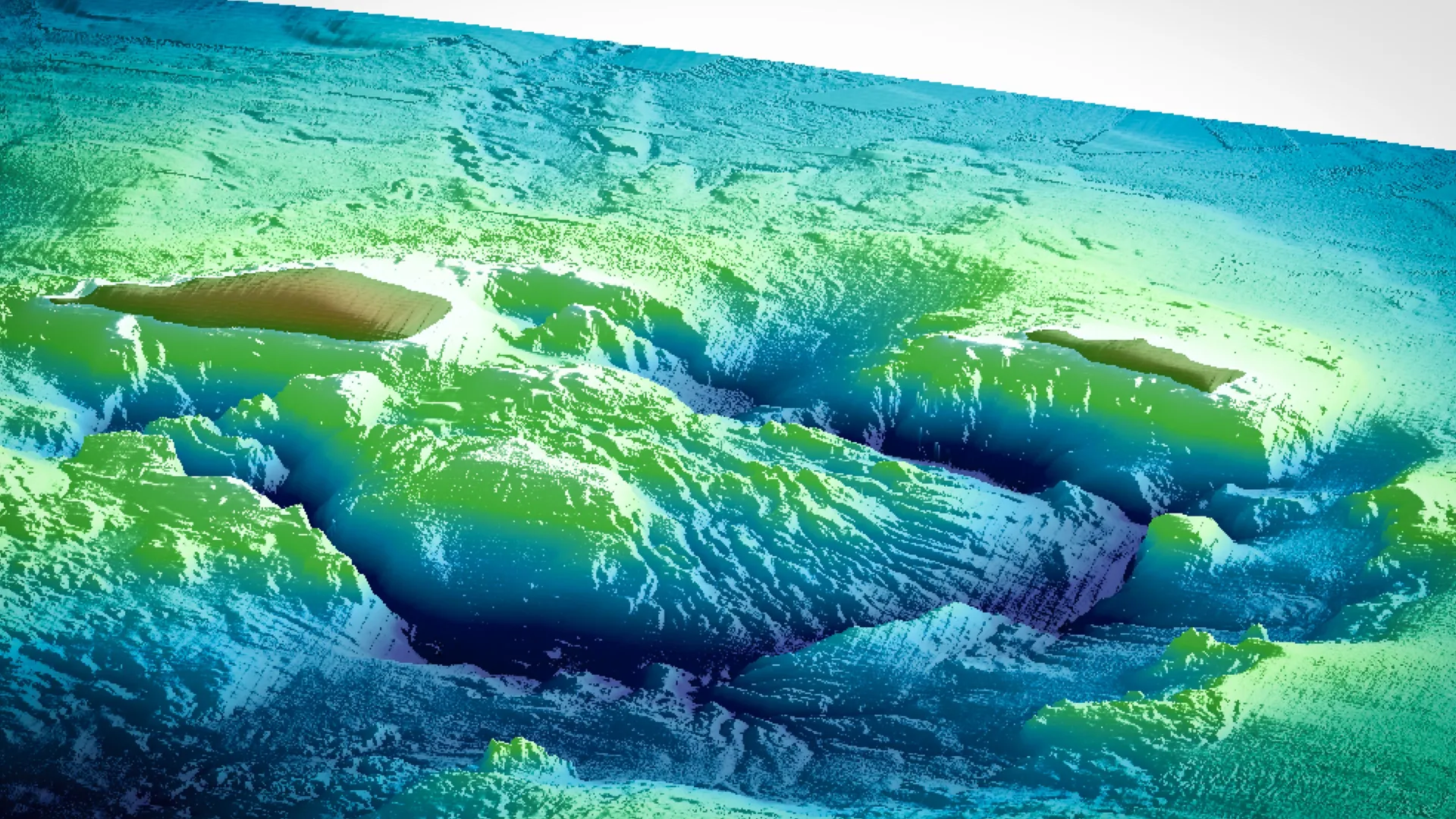
Recent findings from a team of researchers have illuminated a significant geological phenomenon occurring beneath the ocean's surface near Japan. Scientists have detected that the Kikai caldera, known for hosting one of the most powerful eruptions in the last 12,000 years, is in the process of a slow but steady recharging of its magma system. This discovery is not only fascinating from a geological standpoint but also raises important questions regarding the potential implications for volcanic activity in the region, which is closely monitored due to its history and the surrounding population.
The Kikai caldera's most notable eruption, which occurred approximately 7,300 years ago, released an estimated volume of ash exceeding 100 cubic kilometers. This event, known as the Kikai eruption, ranks among the most significant volcanic eruptions of the Holocene epoch. The caldera lies in the southern part of the Ryukyu Islands, an area characterized by its tectonic complexity due to the convergence of the Philippine Sea Plate and the Eurasian Plate. The new research employed advanced seismic imaging techniques to map the magma reservoir beneath the caldera, revealing the presence of newly injected magma, distinct from the remnants of past eruptions. This crucial finding implies that the geological processes occurring beneath the surface are actively evolving.
The research team utilized seismic imaging to create detailed maps of the magma reservoir, highlighting a significant volume of magma accumulating beneath the surface. Notably, this magma is characterized by a change in chemical composition compared to previous volcanic activity, indicating that it is newly injected material rather than a remnant of the ancient magma supply. Such changes in the geochemistry of volcanic materials can provide vital clues about the processes driving volcanic activity and the potential for future eruptions. The growth of a lava dome in the area over thousands of years further indicates that the volcanic system is not dormant but is, in fact, showing signs of reactivation.
Understanding the dynamics of supervolcanoes like Kikai is critical, not only for predicting future volcanic activity but also for assessing the broader impact on climate and human populations. The Kikai eruption had far-reaching consequences, leading to atmospheric changes that may have contributed to a notable climate event in the region. Such eruptions can inject vast quantities of ash and sulfur dioxide into the stratosphere, resulting in temporary global cooling and impacting weather patterns. As scientists continue to monitor the Kikai caldera, the implications of a potential future eruption extend beyond local disturbances, potentially influencing climate conditions across the globe.
The significance of this research extends beyond the immediate geological implications. As climate change continues to alter weather patterns and increase the frequency of natural disasters, understanding volcanic systems is paramount. The Kikai caldera serves as a reminder of the Earth's dynamic nature and the importance of monitoring its geological processes. Enhanced seismic monitoring and the use of advanced imaging techniques are essential tools in the effort to predict volcanic activity, safeguarding communities living in proximity to these powerful geological formations.
As scientists delve deeper into the mysteries of the Kikai caldera, the broader context of volcanic activity and its relationship with climate change remains a critical area of study. Researchers are keenly aware that the world is experiencing a period of significant geological and climatic shifts, where the interactions between human activity and natural processes are increasingly intertwined. The Kikai caldera's recharging magma system serves as a crucial focal point for understanding these complex relationships, providing insights that could help mitigate the risks associated with future volcanic eruptions. The ongoing research into Kikai highlights the necessity of preparedness and the importance of fostering public awareness regarding the potential hazards posed by supervolcanoes and their impact on global climate.