The Looming Threat: Climate Change and the Expected Surge in Malaria Deaths in Africa by 2050
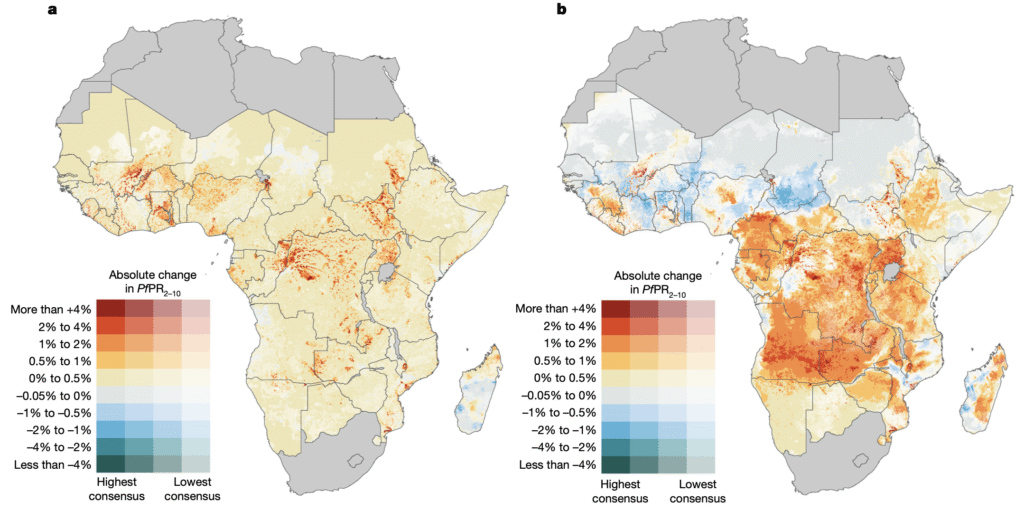
A new study sheds light on a dire consequence of climate change: the potential for an additional 500,000 malaria deaths in Africa by the year 2050. Published in the esteemed journal Nature, this research underscores the alarming interplay between changing climate patterns and the resurgence of malaria, a disease that already claims hundreds of thousands of lives annually. The findings indicate that even if countries meet their current climate pledges, Africa could see 123 million more cases of malaria as a result of extreme weather events, rising temperatures, and altered rainfall patterns. This research emphasizes the urgent need to reevaluate malaria control strategies in light of the increasing unpredictability of climate conditions across the continent.
The implications of this study are profound, particularly as malaria remains one of Africa's deadliest health challenges. The World Health Organization estimates that malaria caused approximately 610,000 deaths in 2024, with the vast majority occurring in Africa. Children under five years old are disproportionately affected, representing three-quarters of malaria fatalities on the continent. Malaria is transmitted by mosquitoes that thrive in warm, humid climates, typically flourishing in environments with stagnant water where they breed. As global temperatures rise, the habitats suitable for these disease-carrying insects are expected to expand, putting millions more at risk of infection.
Researchers Prof. Peter Gething and Prof. Tasmin Symons from Curtin University and the Malaria Atlas Project have highlighted the often-overlooked factors that exacerbate malaria transmission in Africa. Their study emphasizes that existing malaria control and treatment infrastructures are fragile and ill-equipped to handle the increasing frequency and intensity of extreme weather events. Disruptions from storms, floods, and droughts can severely hinder access to healthcare and preventive measures, such as mosquito nets, thereby increasing vulnerability to malaria outbreaks. The study indicates that nearly 80% of the projected increase in malaria transmission risk is linked directly to these disruptive weather patterns.
The methodology employed in this research is both intricate and enlightening. The authors utilized observational data on temperature, humidity, and rainfall from 2000 to 2022, alongside datasets detailing mosquito populations and breeding conditions. They combined this data with malaria infection prevalence information gathered by the Malaria Atlas Project, which focuses on infection rates among children aged two to ten. Through sophisticated mathematical modeling, the researchers established a baseline for understanding how climate variations have historically influenced malaria rates in Africa. This rigorous approach enables them to project future trends under various climate scenarios, including a counterfactual model that assumes no temperature increase over the next 25 years.
The study highlights the importance of integrating climate resilience into public health frameworks. As climate change continues to exacerbate the conditions that facilitate malaria transmission, it becomes increasingly vital for governments and health organizations to develop adaptive strategies that address both the ecological and disruptive impacts of climate events. Strengthening healthcare systems, ensuring access to preventative measures, and enhancing the resilience of malaria control programs are essential steps in mitigating the looming threat of increased malaria cases and deaths in Africa. This research serves as a clarion call for action, highlighting the intertwined fates of climate health and human health in a rapidly changing world.
In conclusion, the findings of this study paint a stark picture of the future of malaria in Africa if proactive measures are not taken. With climate change expected to induce significant ecological shifts, the very landscape of malaria transmission is poised for transformation. Policymakers and healthcare leaders must prioritize the integration of climate science into health planning to combat this impending crisis. The fight against malaria will not only require a commitment to reducing greenhouse gas emissions but also a comprehensive approach to building resilient health systems capable of withstanding the challenges posed by an unpredictable climate.