The Ocean's Hidden Role in Mitigating Global Drought Risks
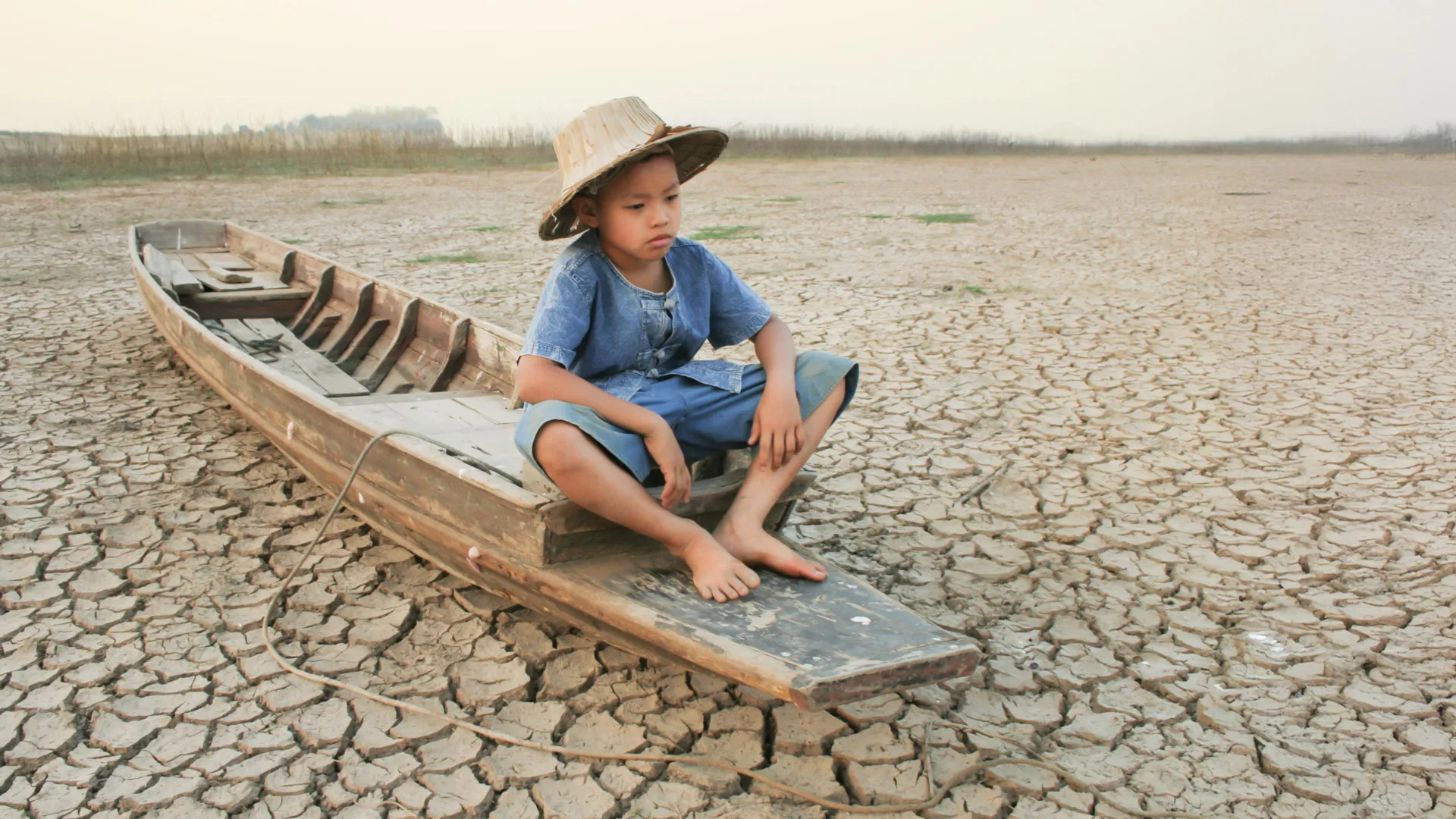
Recent research has unveiled a surprising ally in the fight against global droughts: ocean temperatures. A comprehensive analysis of climate data spanning over a century has revealed that droughts rarely manifest simultaneously across the globe. Instead, these dry spells impact merely 1.8% to 6.5% of the planet's land area at any given time, a far cry from previous estimates. This phenomenon highlights the critical role that the oceans play in moderating climate patterns and underscores the intricate relationship between oceanic conditions and terrestrial weather patterns.
The study, conducted by a team of climate scientists, reflects a growing understanding of how oceanic phenomena, particularly the well-known El Niño and La Niña events, influence global weather systems. El Niño, characterized by the periodic warming of sea surface temperatures in the central and eastern Pacific Ocean, can lead to significant shifts in weather patterns. Conversely, La Niña, which features cooler-than-average ocean temperatures in the same region, can alter rainfall distribution and temperatures worldwide. These fluctuations create a complex tapestry of localized drought conditions rather than a uniform drought covering vast areas, showcasing the ocean's ability to buffer the impacts of climate anomalies.
Understanding the dynamics of these ocean-atmosphere interactions is crucial for weather prediction and climate resilience planning. The findings suggest that while certain regions may experience intense drought, others may simultaneously benefit from increased precipitation, a concept known as drought synchronization. The research indicates that the interconnectedness of the ocean and atmosphere serves as a regulatory mechanism, preventing widespread drought catastrophes that could have devastating consequences for global food security and freshwater availability.
The significance of this research extends beyond mere academic interest. With climate change exacerbating weather extremes, the implications for agriculture, ecosystems, and human populations are profound. Regions that rely heavily on seasonal rainfall for crops face increased vulnerability, and the potential for drought to disrupt food supplies looms larger than ever. By revealing that droughts are less likely to occur globally at the same time, this study offers a glimmer of hope, suggesting that effective management of water resources can buffer against localized drought impacts.
Moreover, policymakers and climate scientists can leverage these insights to enhance drought mitigation strategies. Understanding the ocean's role in regulating weather patterns can lead to improved forecasting models that take into account the influence of sea surface temperatures on land-based weather events. This could result in more effective early warning systems, giving communities better tools to prepare for and adapt to changing climatic conditions.
As the world grapples with the challenges of climate change, these findings emphasize the importance of preserving and studying our oceans. Healthy oceans are crucial not only for marine biodiversity but also for their ability to act as a stabilizing force for global climate systems. Increased investment in oceanographic research, conservation efforts, and climate adaptation initiatives is essential to harness the benefits that oceans provide. In light of this research, it becomes clear that safeguarding our oceans is not merely an environmental concern; it is a vital aspect of global climate resilience and food security for generations to come.