The Ripple Effects of the Iran Conflict on Global Energy Markets and Climate Initiatives
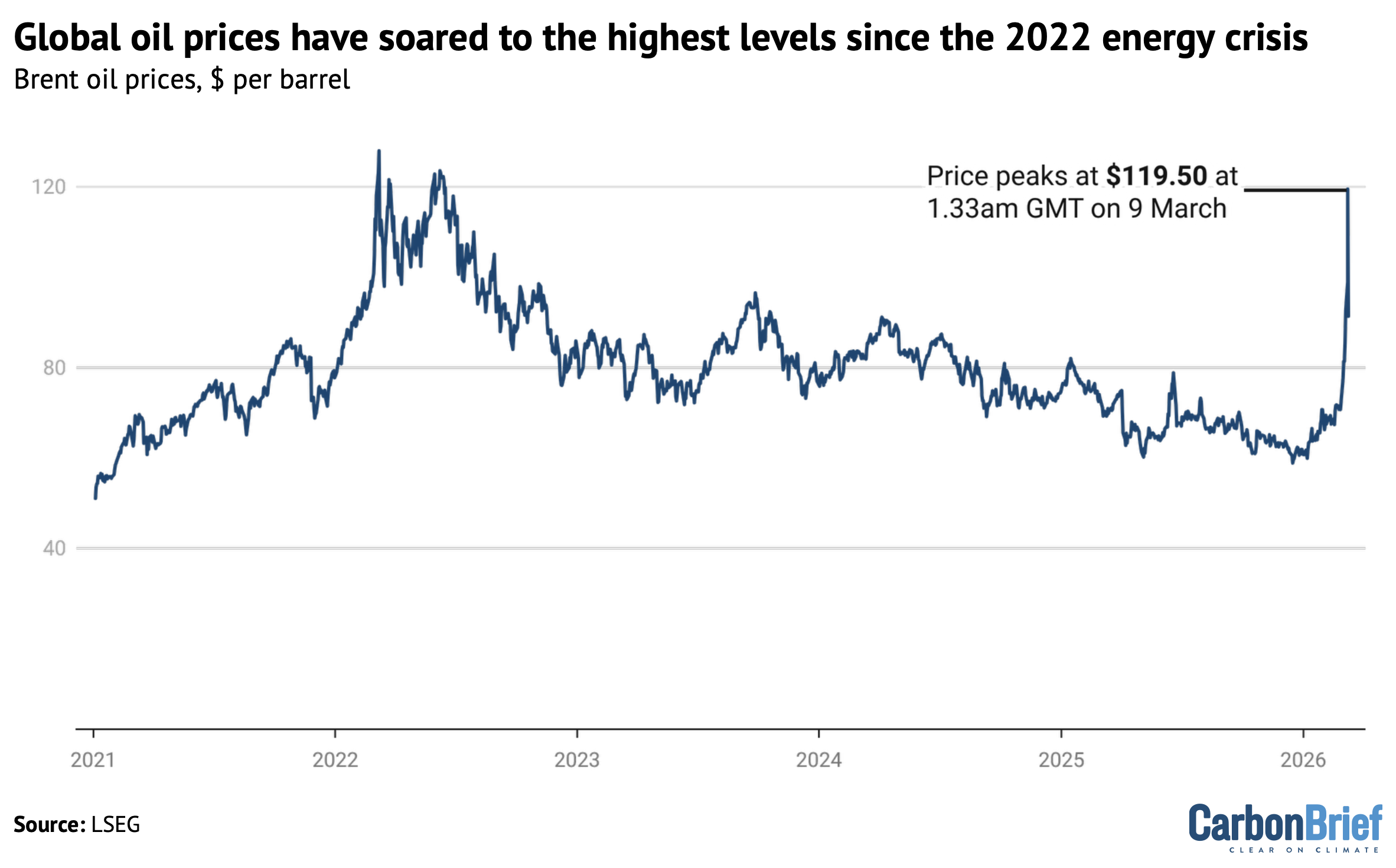
Tensions between the United States, Israel, and Iran have escalated dramatically, resulting in a conflict that is shaking the foundations of global energy markets. The latest military actions have led to significant disruptions in oil and gas supplies, causing prices to spiral upward and raising concerns about a potential energy crisis reminiscent of the 1970s. With ongoing missile strikes and retaliatory actions from Iran, the geopolitical landscape has shifted, forcing countries that rely heavily on oil imports to reconsider their energy strategies and emergency measures. As the world grapples with these developments, the implications for climate change initiatives and the energy transition toward renewables become increasingly complex.
The Strait of Hormuz, a critical maritime route for approximately one-quarter of global oil shipments and a significant portion of liquefied natural gas supplies, has become a focal point of conflict. Iran's threats to target vessels passing through this narrow waterway have resulted in a virtual standstill of shipping traffic. This blockade not only raises fears of immediate supply shortages but also complicates the logistics of oil exportation for countries in the region. While nations like Saudi Arabia and the UAE have limited options to reroute their oil production through pipelines, others, such as Kuwait and Qatar, find themselves trapped, with few alternatives available. This disruption has led to rising oil storage levels, forcing producers to cut back on output, which only exacerbates the volatility of prices in the global market.
As of early March, the repercussions of the conflict have been felt acutely in oil prices. Brent crude oil, the global benchmark, surged past $100 per barrel for the first time since the onset of the Ukraine war in 2022. This spike highlights the fragility of global energy supplies, underscoring that even minor geopolitical conflicts can have significant ramifications for energy prices worldwide. The immediate consequences of these price increases are being felt most acutely in import-dependent countries, where governments are scrambling to implement measures to shield consumers from soaring costs. This situation is reminiscent of earlier energy crises, where rapid price hikes led to severe economic disruptions.
The rise in oil and gas prices is not isolated to one region but is impacting economies across continents. Europe and Asia are experiencing sharp increases in natural gas prices, which have surged in response to fears of supply disruptions. The situation has become so dire that countries are beginning to invoke emergency protocols designed to manage energy supplies and protect consumers from the financial fallout of escalating prices. For many nations, this conflict serves as a stark reminder of their reliance on fossil fuels and the vulnerabilities inherent in such dependency. As the global community seeks to transition to cleaner energy sources, the current crisis raises critical questions about the pace and feasibility of this transition in the face of geopolitical instability.
In the context of climate action, the Iran conflict poses significant challenges. Policymakers and environmental advocates have long argued for a swift transition away from fossil fuels toward renewable energy sources. However, the current crisis may create a counterproductive dynamic, as governments could be compelled to prioritize short-term energy security over long-term climate goals. This scenario could lead to renewed investments in oil and gas infrastructure, potentially undermining progress made in the fight against climate change. For countries heavily reliant on fossil fuel imports, the immediate need for energy stability may outweigh commitments to reduce carbon emissions, thus complicating international climate agreements and initiatives.
The situation is fluid, and the long-term impacts of this conflict on global energy markets and climate action remain to be seen. The intersection of military conflict and energy supply dynamics is a reminder of the delicate balance that exists between geopolitics and environmental stewardship. As nations attempt to navigate this turbulent landscape, the urgency for a robust transition to renewable energy sources becomes clearer. The ongoing conflict in Iran and its repercussions on global energy markets will likely serve as a case study for future energy policies, emphasizing the need for diversification and resilience in energy systems to withstand geopolitical shocks.