The Rising Threat of Supercharged Hurricanes: Understanding Category 6 Storms
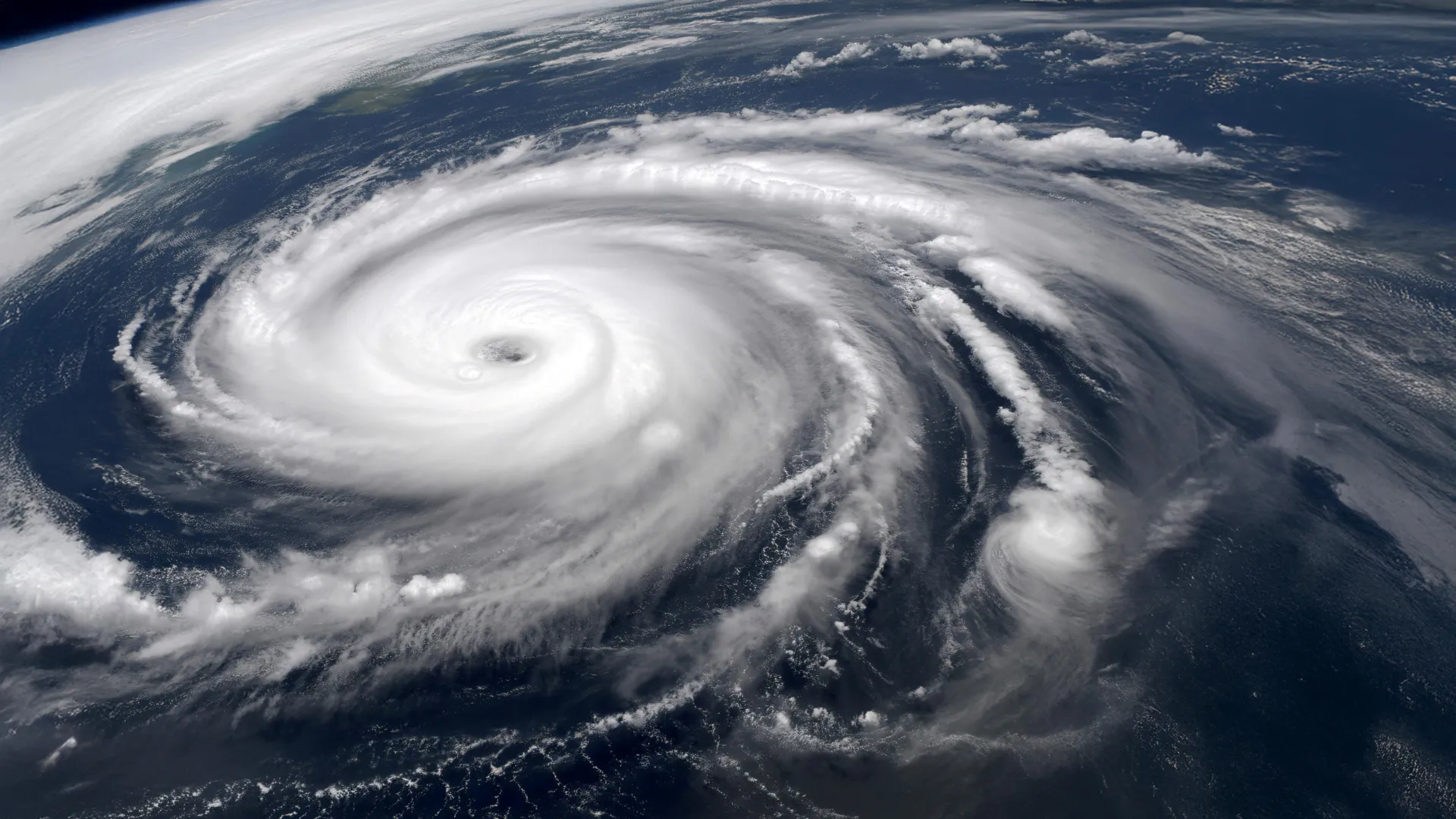
Recent observations have revealed an alarming trend in the world’s oceans that could spell disaster for coastal communities and ecosystems alike. Deep ocean hotspots, where temperatures are significantly elevated, are becoming increasingly prevalent due to the warming effects of climate change. These regions, particularly in areas like the Caribbean and near the Philippines, are not only expanding but also intensifying the storms that form above them. As a result, hurricanes and typhoons are reaching unprecedented levels of strength, with the potential to surpass the traditional Category 5 classification. This phenomenon raises critical questions about our understanding of hurricane categorization and the implications for disaster preparedness and public safety.
The classification system for hurricanes, developed in the early 1970s by meteorologist Herbert Saffir and engineer Robert Simpson, categorizes storms on a scale from 1 to 5 based on sustained wind speeds. Category 5 storms are characterized by winds exceeding 157 mph, leading to catastrophic damage upon landfall. However, the increasing frequency and intensity of storms that appear to exceed this threshold suggest that the existing framework may no longer be adequate. Over half of the recorded Category 5 hurricanes have occurred in the last decade alone, indicating a worrying trend that correlates with rising ocean temperatures. This trend highlights a pressing need for scientists and meteorologists to consider the introduction of a new classification, often referred to as a “Category 6,” to account for these supercharged storms.
The implications of this shift in storm intensity are profound. Communities situated along vulnerable coastlines face heightened risks as these storms can wreak havoc beyond anything previously anticipated. The devastation caused by monumental hurricanes, such as Hurricane Katrina in 2005 or Hurricane Maria in 2017, underscores the catastrophic potential of Category 5 storms. With the advent of even more powerful storms, emergency management agencies are challenged to adapt their disaster response strategies. A new classification could enhance public awareness and understanding of the risks associated with these extreme weather events, fostering a culture of preparedness that is desperately needed as climate change continues to escalate.
Scientific research has shown that warmer ocean waters can fuel more powerful storms by providing the additional energy they require to intensify. The deeper layers of the ocean are not immune to climate change; as surface temperatures rise, heat penetrates deeper into the water column. This phenomenon has been observed in various oceanic regions, where temperatures are considerably above average. The interaction between these warmer waters and atmospheric conditions affects storm formation and intensification, leading to the creation of hurricanes that can unleash unprecedented destruction. Understanding these dynamics is crucial for developing accurate forecasting models and improving our ability to prepare for future storms.
As climate scientists continue to investigate these trends, the potential introduction of a Category 6 designation serves as a call to action. It emphasizes the urgency of addressing climate change while also enhancing our understanding of severe weather patterns. Public awareness is a critical component in mitigating the impacts of such storms. By revising our categorization system, we can better communicate the threats posed by these formidable hurricanes and improve planning for effective disaster response. It is essential for policymakers, scientists, and community leaders to collaborate and create frameworks that can handle the realities of a warming world.
The lessons learned from past storms and the current research into hurricane intensity will play a pivotal role in shaping future disaster preparedness efforts. As communities grapple with the reality of climate change, the necessity for resilient infrastructure and effective emergency management becomes paramount. Moreover, engaging the public through education and awareness campaigns can lead to more informed decisions and actions when faced with the threat of extreme weather. The prospect of supercharged hurricanes may seem daunting, but recognizing and adapting to these changes can empower communities to withstand the storms of tomorrow.