The Thawing Arctic: A Wake-Up Call on Carbon Emissions and Climate Change
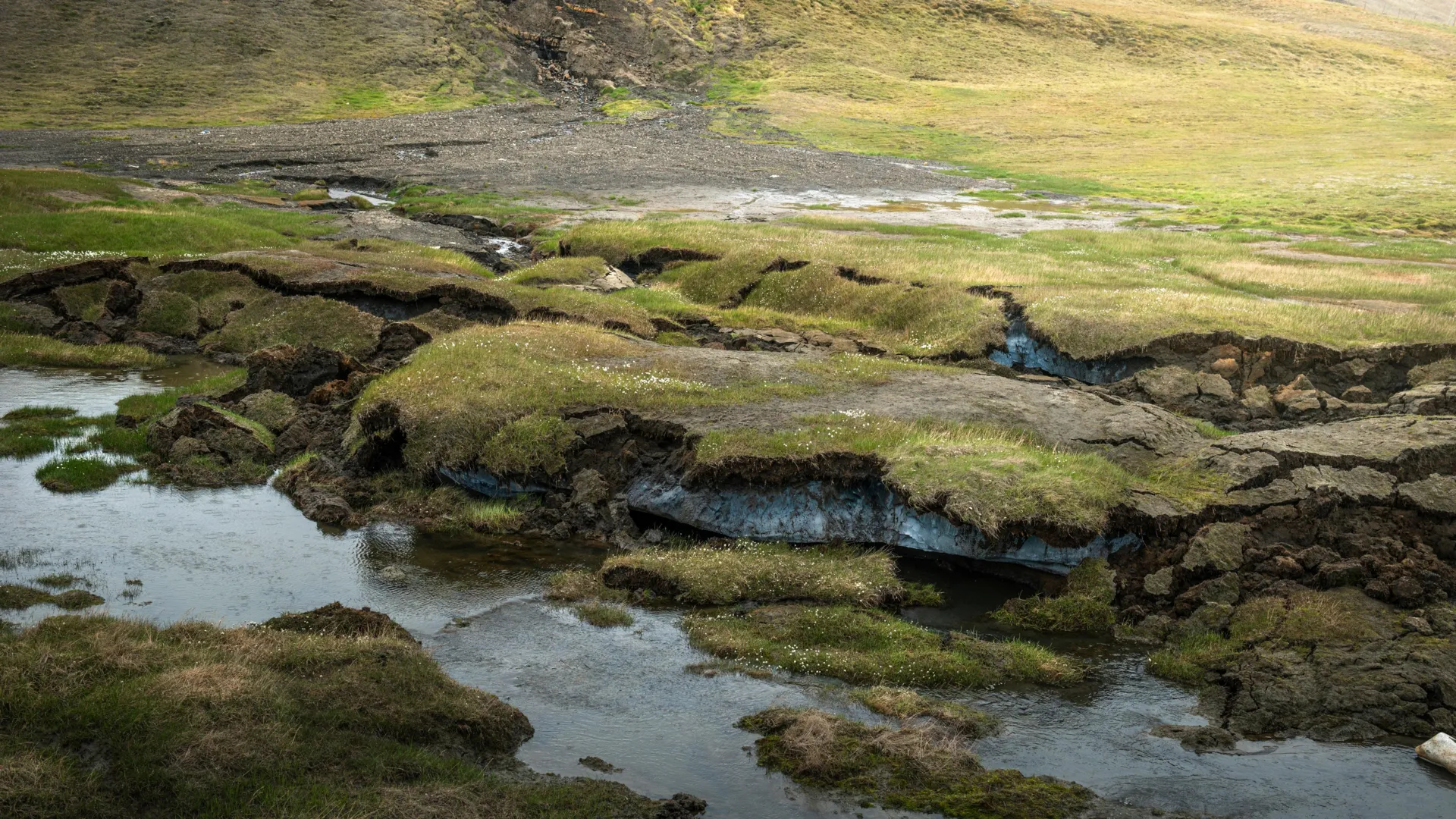
Recent research has brought to light alarming changes occurring in the Arctic region, particularly concerning the thawing of permafrost. This phenomenon is not just a seasonal shift but a significant climate event with far-reaching implications. A comprehensive study focusing on northern Alaska analyzed decades of high-resolution data and revealed that the thawing permafrost is reshaping river systems while releasing vast amounts of ancient carbon that has been locked away for millennia. As the Arctic continues to warm, these changes are intensifying the already critical issue of carbon emissions, presenting a challenge for global climate stability.
Permafrost, which is defined as ground that has remained frozen for at least two consecutive years, acts as a natural reservoir of carbon. This carbon primarily originates from organic materials that have accumulated over thousands of years, often from plants and animals that died long ago. When permafrost thaws due to rising temperatures, it begins to release this carbon back into the atmosphere in the form of carbon dioxide and methane, both potent greenhouse gases. The recent findings indicate that not only is permafrost thawing at an alarming rate, but it is also altering river dynamics, leading to increased runoff and higher levels of dissolved carbon being transported to oceans.
The research highlights critical changes in the hydrological cycles of Arctic rivers. As permafrost thaws, the landscape undergoes a transformation that affects how water flows through these ecosystems. Increased runoff means that rivers are carrying greater amounts of dissolved organic carbon, which can significantly impact marine ecosystems. When this carbon reaches the ocean, a portion of it is converted to carbon dioxide through biological processes, further exacerbating the challenges posed by climate change. The implications are dire, as the carbon released contributes to the greenhouse effect, which is the primary driver of global warming.
Moreover, the study indicates that the thawing season is extending further into the fall, which suggests that the Arctic is becoming increasingly vulnerable to climate change. This extended period of thawing allows for more carbon to be released into the atmosphere over a longer timeframe. The research underscores the urgency of addressing this issue, as the Arctic plays a crucial role in regulating the global climate. The faster the permafrost thaws, the more carbon is emitted, leading to a vicious cycle that could accelerate global warming beyond manageable levels.
Scientists continue to emphasize the importance of monitoring permafrost thawing and its implications for global carbon cycles. Understanding the dynamics of this phenomenon is essential for developing effective climate strategies. Policymakers need to recognize the interconnectedness of ecosystems and the global climate system when devising plans to combat climate change. Without immediate action to mitigate emissions and address the factors contributing to global warming, the repercussions of thawing permafrost could have catastrophic effects on the climate, biodiversity, and human societies worldwide.
In conclusion, the study serves as a clarion call for heightened awareness and action regarding the impacts of permafrost thawing on climate change. With vast amounts of ancient carbon being released as the Arctic warms, the implications for global temperature rise and ecological balance cannot be overstated. As we move forward, a collective effort to monitor, understand, and mitigate the effects of this phenomenon will be crucial in our fight against climate change, ensuring a sustainable future for generations to come.