The Vital Role of Urban Green Spaces in Climate Resilience and City Planning
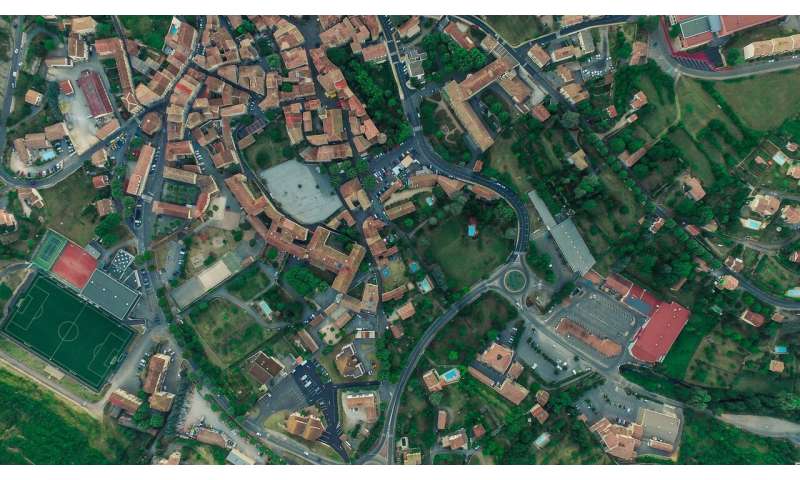
Urban centers across the globe are facing unprecedented challenges due to climate change, population growth, and urbanization. As concrete jungles expand, the need for sustainable city planning has never been more critical. One of the most effective strategies being explored is the integration of green spaces into urban environments. These green areas, which include parks, gardens, and tree-lined streets, play a pivotal role in mitigating the effects of urban heat, improving air quality, and promoting healthier lifestyles among city dwellers. The significance of urban greenery extends beyond aesthetics; it is a key component in the fight against climate change and the promotion of sustainable urban living.
Research has shown that urban greenery can dramatically lower temperatures in cities, which often experience heat island effects. The phenomenon occurs when urban areas become significantly warmer than their rural surroundings due to human activities and the prevalence of heat-retaining materials like asphalt and concrete. By incorporating trees and vegetation, cities can reduce ambient temperatures, creating cooler microclimates. Studies indicate that tree canopies can lower surface temperatures by up to 20 degrees Fahrenheit. This cooling effect not only benefits residents by providing a more comfortable living environment but also reduces the demand for energy-intensive air conditioning, ultimately lowering greenhouse gas emissions.
Air quality is another area where urban greenery has a profound impact. Plants and trees naturally filter pollutants from the air, absorbing carbon dioxide and releasing oxygen. They also capture particulate matter, which can be harmful to human health. In densely populated urban areas, the presence of green spaces has been linked to lower levels of respiratory diseases, cardiovascular problems, and other health issues related to air pollution. By prioritizing the development of parks and green spaces, city planners can significantly enhance public health outcomes, making cities not only more livable but also more resilient to the adverse effects of climate change.
Beyond environmental benefits, the addition of green spaces has significant social and economic implications. Green areas encourage foot traffic, fostering community interaction and local economies. When residents have access to parks and recreational spaces, they are more likely to engage in outdoor activities, which promotes physical health and well-being. Furthermore, vibrant green spaces can attract businesses and tourism, contributing to a city’s economic vitality. A well-planned urban environment that incorporates greenery can transform neighborhoods by increasing property values, reducing crime rates, and improving overall quality of life. It is clear that the social fabric of urban areas can be strengthened through thoughtful integration of nature into city planning.
Cities around the world are beginning to recognize the importance of green spaces in their urban planning strategies. Initiatives such as New York City’s MillionTreesNYC campaign and Singapore’s Gardens by the Bay showcase the potential benefits of urban greening. These projects not only enhance the visual appeal of urban landscapes but also serve as models for other cities seeking to incorporate sustainability into their development plans. By understanding and leveraging the multifaceted benefits of urban greenery, cities can develop strategies that address climate change while also enhancing the quality of life for their residents.
The integration of green spaces into urban planning is not without its challenges. Factors such as land availability, funding, maintenance, and political will can hinder the implementation of these initiatives. However, collaborative efforts among city planners, environmentalists, and community members can pave the way for innovative solutions. Emphasizing the importance of green infrastructure will require a paradigm shift in how urban planners approach development. By viewing urban greenery as an essential component of sustainable city planning rather than a luxury, cities can work towards creating healthy, resilient, and vibrant environments that can withstand the challenges posed by climate change. The future of our cities hinges on our ability to harmonize urban living with nature, ensuring a livable planet for generations to come.