The Wildfire Paradox: How Decades of Suppression Have Led to Increased Risk in the Western U.S.
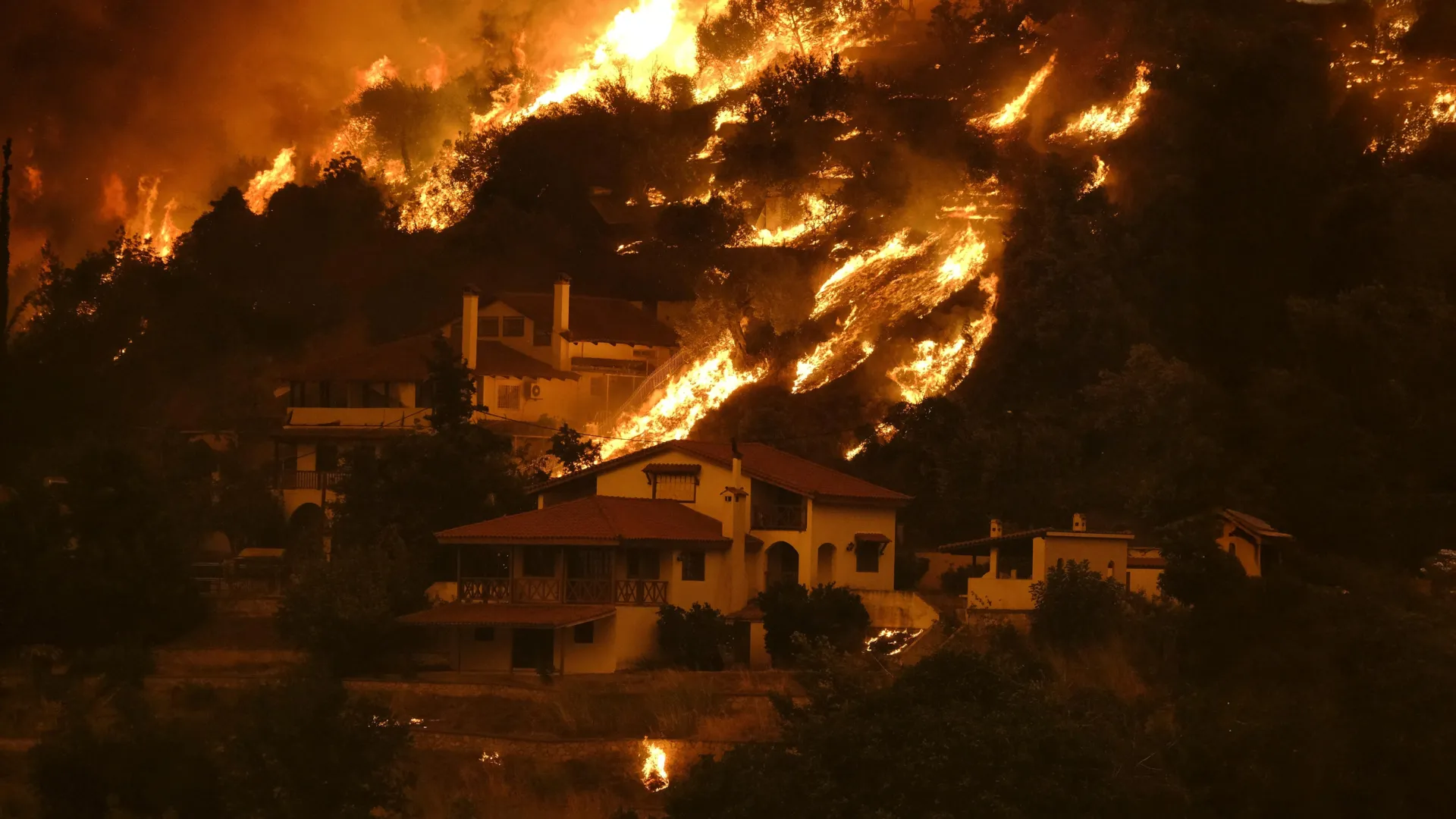
Wildfires have become an unavoidable reality in the western United States, a region long characterized by its diverse ecosystems and stunning landscapes. Recent studies reveal a troubling trend: much of this area is overdue for wildfires, with decades of fire suppression policies inadvertently contributing to the current crisis. Forest management practices implemented since the early 20th century aimed to protect communities and natural resources from the devastating effects of wildfires. However, these well-intentioned efforts have resulted in an accumulation of combustible materials, creating a dangerous fire deficit across millions of hectares of forest land.
Researchers estimate that approximately 74% of the western U.S. is currently in a fire deficit, indicating that significantly more land needs to experience fire to restore ecological balance and healthy forest conditions. Fire is a natural part of many ecosystems, playing a crucial role in nutrient cycling, habitat creation, and the promotion of biodiversity. In the absence of regular, low-intensity fires, forests have become overgrown, leading to denser stands of trees and an increase in the amount of dead and dying biomass. This buildup of fuel not only elevates the risk of large, uncontrollable wildfires but also alters the very composition of these forest ecosystems, threatening the flora and fauna that depend on them.
Addressing this fire deficit requires a paradigm shift in forest management strategies. Controlled burns, also known as prescribed fires, have emerged as a critical tool for reducing the risk of catastrophic wildfires. These carefully planned fires mimic the natural fire cycles that many ecosystems have evolved with, allowing for the reduction of excess fuel while promoting the growth of fire-adapted species. However, implementing an unprecedented number of controlled burns poses significant challenges, including public opposition, resource constraints, and the need for skilled personnel. Furthermore, climate change exacerbates the situation, with increasing temperatures and prolonged drought conditions intensifying wildfire behavior, making it even more essential to engage in proactive forest management practices.
The significance of this issue extends far beyond ecological concerns. Wildfires have severe implications for air quality, public health, and economic stability. Smoke from wildfires can lead to hazardous air quality levels, impacting communities far beyond the fire's immediate vicinity. In addition, the costs associated with wildfire suppression, property damage, and recovery can place substantial financial burdens on local and state governments. As climate change continues to alter weather patterns, the frequency and intensity of wildfires are likely to increase, making it imperative to adopt strategies that not only focus on suppression but also emphasize the importance of fire as a natural process.
Community engagement and education play a pivotal role in reshaping public perception of wildfires and the necessity of controlled burns. Many residents in fire-prone areas harbor fears about the dangers of fire, often perceiving prescribed burns as a threat rather than a beneficial management tool. Effective communication strategies that highlight the ecological benefits of fire, as well as the safety measures taken during prescribed burns, are essential for garnering public support. Collaborative efforts between land management agencies, local communities, and researchers can foster a culture of understanding and acceptance regarding the role of fire in maintaining healthy ecosystems.
As the western U.S. grapples with the complexities of wildfire management, a comprehensive approach that blends ecological understanding with community involvement is crucial. The road ahead may be fraught with challenges, but the potential for healthier forests, improved air quality, and reduced wildfire risks is worth the investment. Embracing the natural role of fire while managing its risks could lead to a more sustainable coexistence with the landscapes that define this remarkable region.