Tiny Microbes, Big Impact: How Ocean Warming Could Enhance Marine Nutrient Cycles
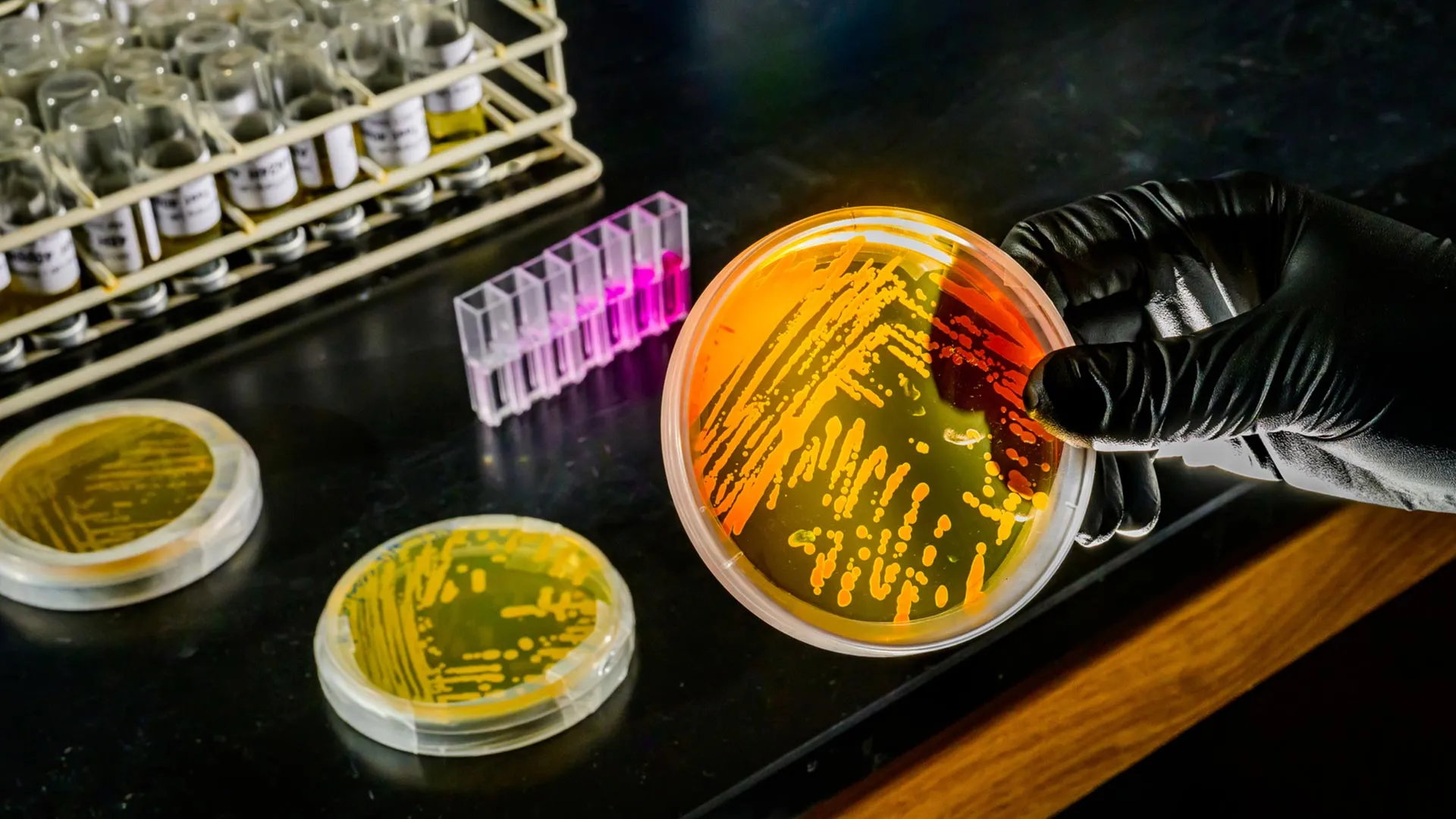
Recent studies have unveiled a surprising twist in the narrative of ocean warming and its impact on marine ecosystems. While many would expect that rising temperatures in deep-sea waters would disrupt the delicate balance of ocean chemistry, research has shown that a specific microbe, Nitrosopumilus maritimus, is adapting in remarkable ways to these changing conditions. This adaptation could have significant implications for nutrient cycling in the ocean, ultimately influencing marine productivity and the overall health of oceanic ecosystems.
Nitrosopumilus maritimus, a member of the Archaea domain, plays a pivotal role in the nitrogen cycle, a fundamental process that supports life in the ocean. These tiny organisms are crucial for converting ammonia into nitrite, a process that helps regulate nitrogen availability for other marine organisms. As ocean temperatures rise, the availability of iron, an essential nutrient for many marine microbes, often decreases. However, researchers have discovered that Nitrosopumilus maritimus can thrive in these iron-limited conditions, exhibiting an extraordinary ability to utilize iron more efficiently than previously thought. This adaptability raises important questions about the resilience of marine ecosystems in the face of climate change.
The significance of this discovery cannot be overstated. The ocean is a complex and dynamic environment that is critical for global climate regulation, carbon cycling, and supporting diverse marine life. As ocean temperatures rise, the chemical composition and biological interactions within these waters will inevitably change. The ability of Nitrosopumilus maritimus to adapt to warmer conditions and continue its role in nitrogen cycling underscores the potential for certain microbial communities to withstand, and perhaps even thrive, in a warming world. This could lead to enhanced marine productivity, which is crucial for sustaining both the marine food web and human economies that rely on fisheries and other ocean resources.
Understanding how such microbes adapt to changing environmental conditions provides valuable insights into the resilience of marine ecosystems. Researchers are now focusing on the mechanisms that allow Nitrosopumilus maritimus to utilize iron so effectively in warmer waters. This involves studying its metabolic pathways and genetic adaptations that enhance its efficiency. By dissecting these processes, scientists hope to uncover broader patterns of microbial resilience that could inform conservation efforts and management strategies in marine environments affected by climate change. The findings also highlight the importance of preserving biodiversity within microbial communities, as these organisms may hold the key to maintaining ecosystem functions in the face of environmental stressors.
As global temperatures continue to rise, the implications of these findings extend beyond just one species of microbe. The adaptability of Nitrosopumilus maritimus may indicate a broader trend among marine microorganisms. These tiny life forms play an outsized role in the ocean's biogeochemical processes, and their ability to adapt could help stabilize marine ecosystems under changing conditions. Future research will need to address how these adaptive traits affect nutrient cycling at larger scales, particularly in regions that are experiencing more pronounced warming effects, such as the Arctic and tropical seas.
The story of Nitrosopumilus maritimus is emblematic of the broader challenges and opportunities posed by climate change. While the warming ocean presents numerous threats, such as coral bleaching, ocean acidification, and shifts in fish populations, the resilience of certain microorganisms offers a glimmer of hope. As scientists continue to study the impacts of climate change on marine ecosystems, understanding the role of these tiny but mighty microbes will be essential for predicting future ocean health and developing strategies to mitigate the effects of climate change. The adaptability of Nitrosopumilus maritimus not only sheds light on the intricate web of life in our oceans but also serves as a reminder of the importance of continued research and conservation efforts to protect these vital ecosystems.