Transforming Arctic Peatlands: A Vital Climate Solution Through Water Management
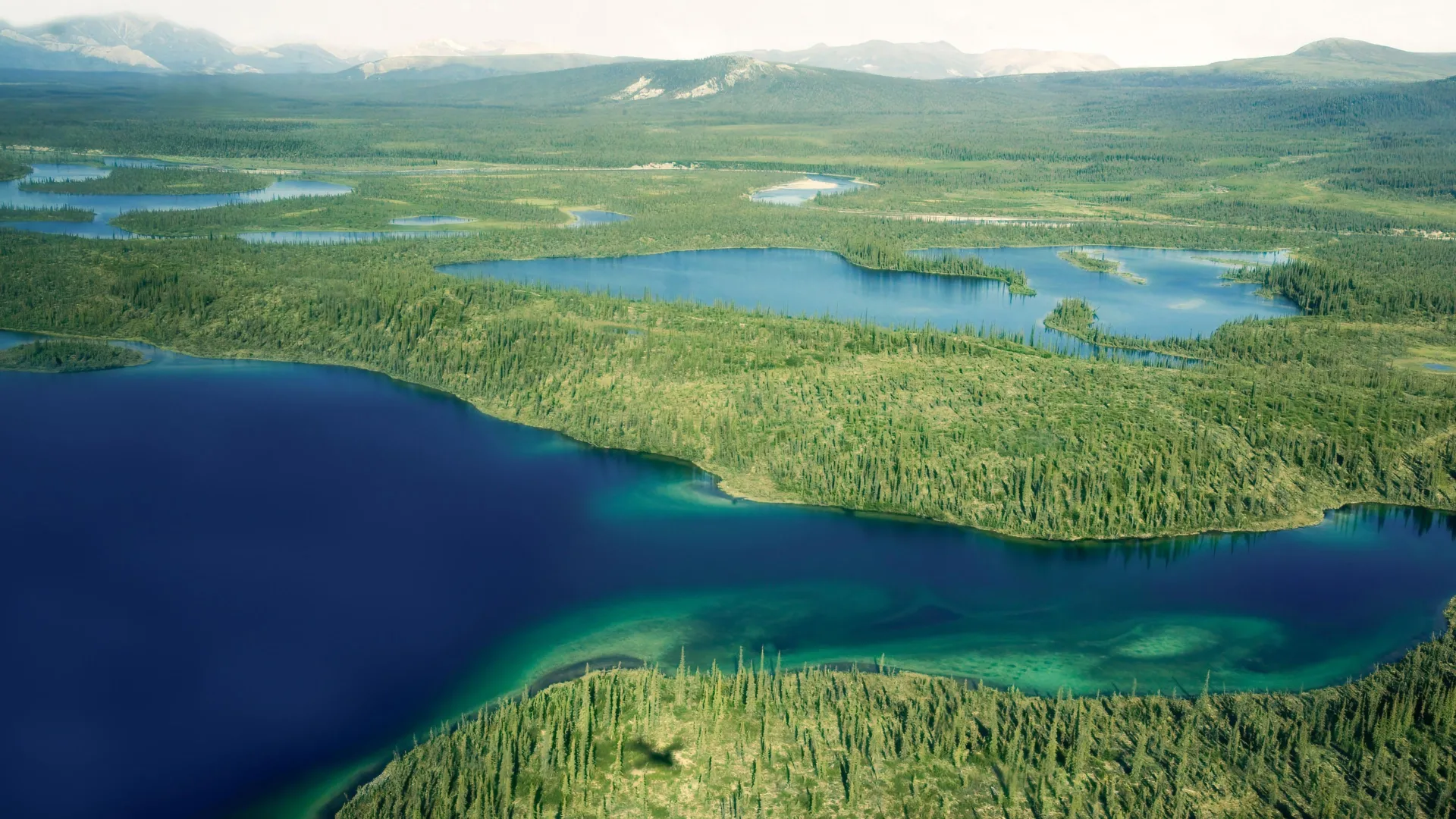
The Arctic region is often viewed as a stark, frozen landscape, but beneath its surface lies a complex system of peatlands that have significant implications for global carbon dynamics. These peatlands once served as massive carbon stores, accumulating organic material over thousands of years. However, human activity and climate change have led to the draining of these vital ecosystems, resulting in the release of greenhouse gases such as carbon dioxide and methane into the atmosphere. Recent research from northern Norway offers a promising solution to this pressing environmental issue, raising the water levels in these cultivated peatlands could not only halt the emissions but potentially convert these lands into effective carbon sinks.
A two-year study conducted by a team of scientists examined the effects of groundwater restoration in drained peatlands in northern Norway. The findings revealed that by simply adjusting water levels, it is possible to significantly reduce carbon dioxide emissions from these ecosystems. The team observed that, under certain conditions, the restored peatlands began to absorb more CO₂ than they emitted. This pivotal shift in carbon balance highlights the profound impact that water management can have on climate change mitigation efforts. The study underscores the importance of peatland restoration as a strategy for reducing greenhouse gas emissions in the face of a warming climate.
Peatlands are unique ecosystems that play a critical role in the global carbon cycle. They store approximately 30% of the world’s soil carbon, despite covering only about 3% of the earth’s land surface. When healthy, peatlands act as carbon sinks by absorbing carbon from the atmosphere through the growth of plant life and the accumulation of organic material. However, when drained for agriculture or development, these areas can become significant sources of greenhouse gases. The loss of peatland integrity leads to oxidation of the stored carbon, releasing it back into the atmosphere and exacerbating climate change. The research from Norway presents an opportunity to reverse this trend, showcasing a relatively simple yet effective approach to peatland management.
The implications of this research extend beyond local ecosystems, touching on broader climate goals. With global temperatures continuing to rise, the urgency to mitigate emissions is paramount. The Paris Agreement aims to limit global warming to well below 2 degrees Celsius, and restoring peatlands could play a crucial role in achieving that target. By investing in water management practices that support peatland health, countries can take meaningful steps toward reducing their carbon footprints and enhancing their resilience against climate impacts. This approach not only addresses emissions but also improves biodiversity, water quality, and local livelihoods, creating a multifaceted benefit for both nature and human communities.
Scientific understanding of peatland ecosystems continues to evolve, and ongoing research will be essential in refining restoration techniques. Studies like the one conducted in northern Norway provide valuable insights into the hydrological dynamics of peatlands and their response to changes in water levels. The methodology and findings from this research can inform similar restoration projects in other regions, potentially leading to a global movement toward peatland recovery. As countries look for effective climate solutions, integrating traditional ecological knowledge with modern science will be crucial in tailoring approaches that respect local contexts and maximize ecological benefits.
The restoration of Arctic peatlands represents a beacon of hope amid the climate crisis. It illustrates the potential for nature-based solutions to contribute to greenhouse gas reduction while simultaneously enhancing ecological resilience. As awareness grows and more research emerges, the prospect of transforming drained peatlands into carbon sinks could become a cornerstone of climate policy. Policymakers, conservationists, and local communities have a unique opportunity to collaborate on innovative water management strategies that not only combat climate change but also foster sustainable land use practices. The journey towards healthier peatlands is just beginning, and with it, the potential to secure a more sustainable future for our planet.