UK Climate Finance: A Troubling Shift in Commitment
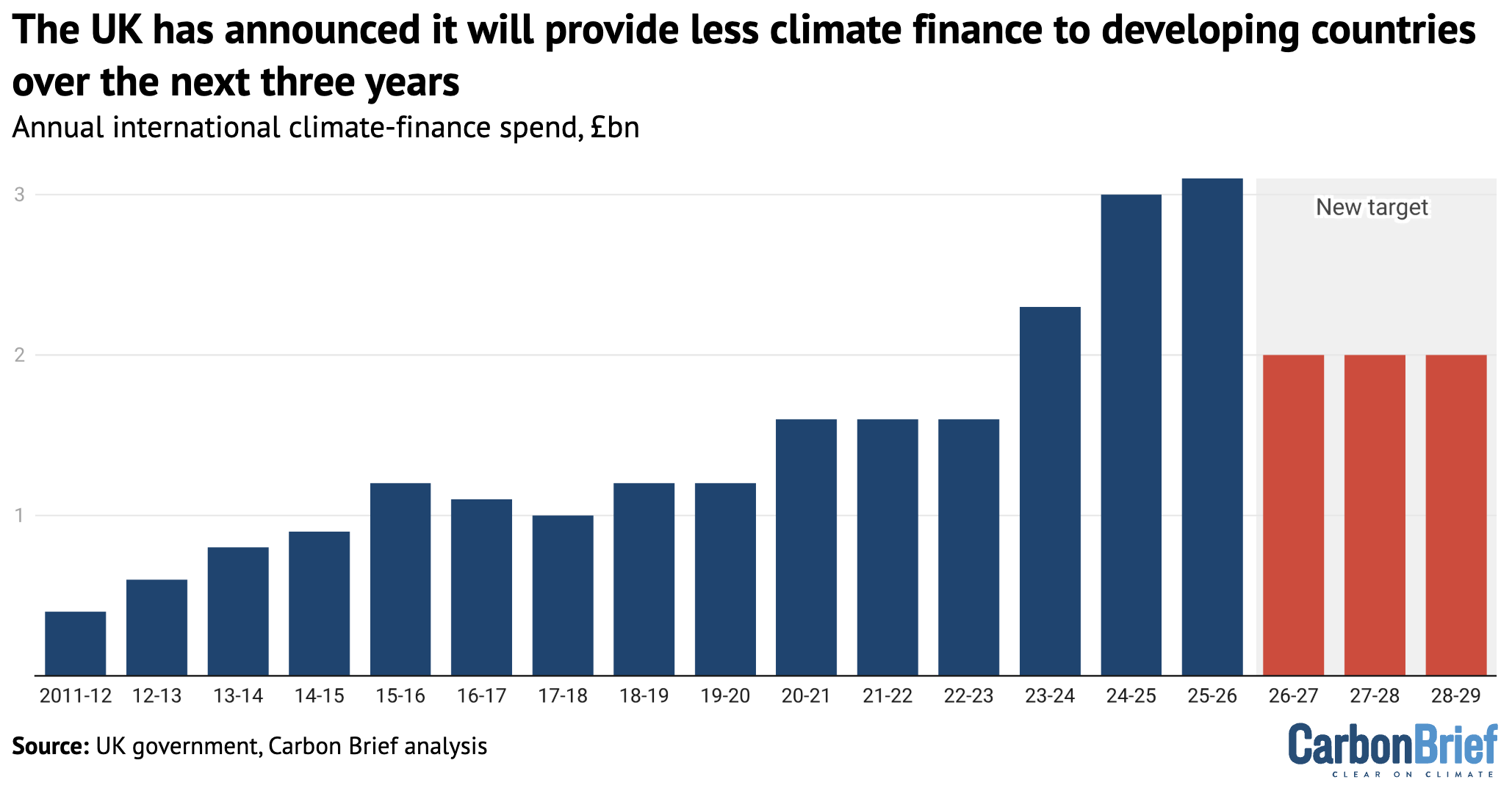
Recent developments have raised significant concerns regarding the future of climate finance from the United Kingdom towards developing nations. A detailed analysis by Carbon Brief indicates that the UK is effectively halving its climate aid allocation when accounting for inflation and various accounting adjustments. The government recently announced a commitment of approximately £6 billion for international climate finance over the next three years. This figure starkly contrasts with the earlier pledge of £11.6 billion aimed at supporting countries in the Global South to reduce emissions and adapt to the pressing threats posed by climate change. The revised target represents a real-term reduction of around 30% annually when inflation is factored in, and when accounting practices are scrutinized, it reveals an even steeper decline of nearly 50% compared to the previous commitment.
The implications of this reduction are profound. The UK had previously positioned itself as a leader in the fight against climate change, aligning with the commitments made under the Paris Agreement, which mandates developed nations to support developing countries in their climate adaptation and mitigation efforts. Historically, the UK's climate finance has funded a range of projects, from solar energy initiatives in Nigeria to mangrove restoration in Indonesia. The recent announcement reflects a broader trend within the UK government, which has shifted focus away from international aid towards increased military spending, thereby prioritizing defense over developmental assistance. This reallocation raises questions about the UK's commitment to global climate goals, particularly in light of the international consensus reached at COP29 in Baku, where developed nations agreed to ramp up climate finance to $300 billion annually by 2035.
The transition to a reduced climate finance budget comes at a time when the world is grappling with escalating climate emergencies. Natural disasters that are increasingly frequent and severe underscore the urgency for robust financial support directed towards vulnerable nations. These countries often bear the brunt of climate impacts despite contributing the least to global emissions. The decision to decrease climate funding is not an isolated event; it reflects a troubling pattern observed in other major donor nations, notably the United States, which has significantly cut its contributions to international climate finance. Such reductions not only undermine global climate initiatives but also hinder the ability of developing countries to implement essential climate adaptation strategies, jeopardizing their development prospects.
On March 19, Foreign Secretary Yvette Cooper outlined the specifics of the UK’s forthcoming climate finance under the new budget framework. The government has emphasized a balanced approach, intending to allocate resources between climate change mitigation and adaptation while maintaining an emphasis on nature-based solutions. However, the scrapping of the previously established “ring-fencing” for nature conservation funds and the abandonment of five-year financial planning commitments have raised alarms among environmental NGOs and development experts. Such moves suggest a shift towards a more ambiguous funding strategy, creating uncertainty for recipients who rely on these funds for their climate action initiatives.
The government has framed its approach as “innovative development reforms,” proposing to leverage public development aid to stimulate private investment in climate and nature-positive projects. Cooper indicated that alongside the £6 billion designated for climate finance, there is an ambition to generate an additional £6.7 billion through UK-backed investments and to mobilize private sector financing. Nonetheless, skepticism remains regarding the feasibility of these goals, particularly given the historical context of aid reductions and the lack of specific assurances about funding levels. The international development committee has voiced deep concern regarding the adequacy of the new climate finance pledge, fearing that it represents a significant regression in the UK’s climate leadership.
As the world continues to grapple with the realities of climate change, the implications of the UK’s reduced climate financing take on increased significance. The cuts signal a potential retreat from the global commitment necessary to combat climate change effectively. With the target of reaching £6 billion over the next three years being framed in vague terms, such as “around” £6 billion, there is a risk that actual spending could fall short of even this diminished target. The need for transparent, consistent, and substantial climate finance remains critical, as developing nations increasingly face the brunt of climate impacts. The UK’s shift in priorities raises broader questions about the future of international climate cooperation and the effectiveness of global climate governance. Sustained investment in climate finance is not merely a financial obligation but a moral imperative for richer nations, especially as the climate crisis intensifies.