Uncovering the Hidden Threat: The Impact of Boreal Wildfires on Climate Change
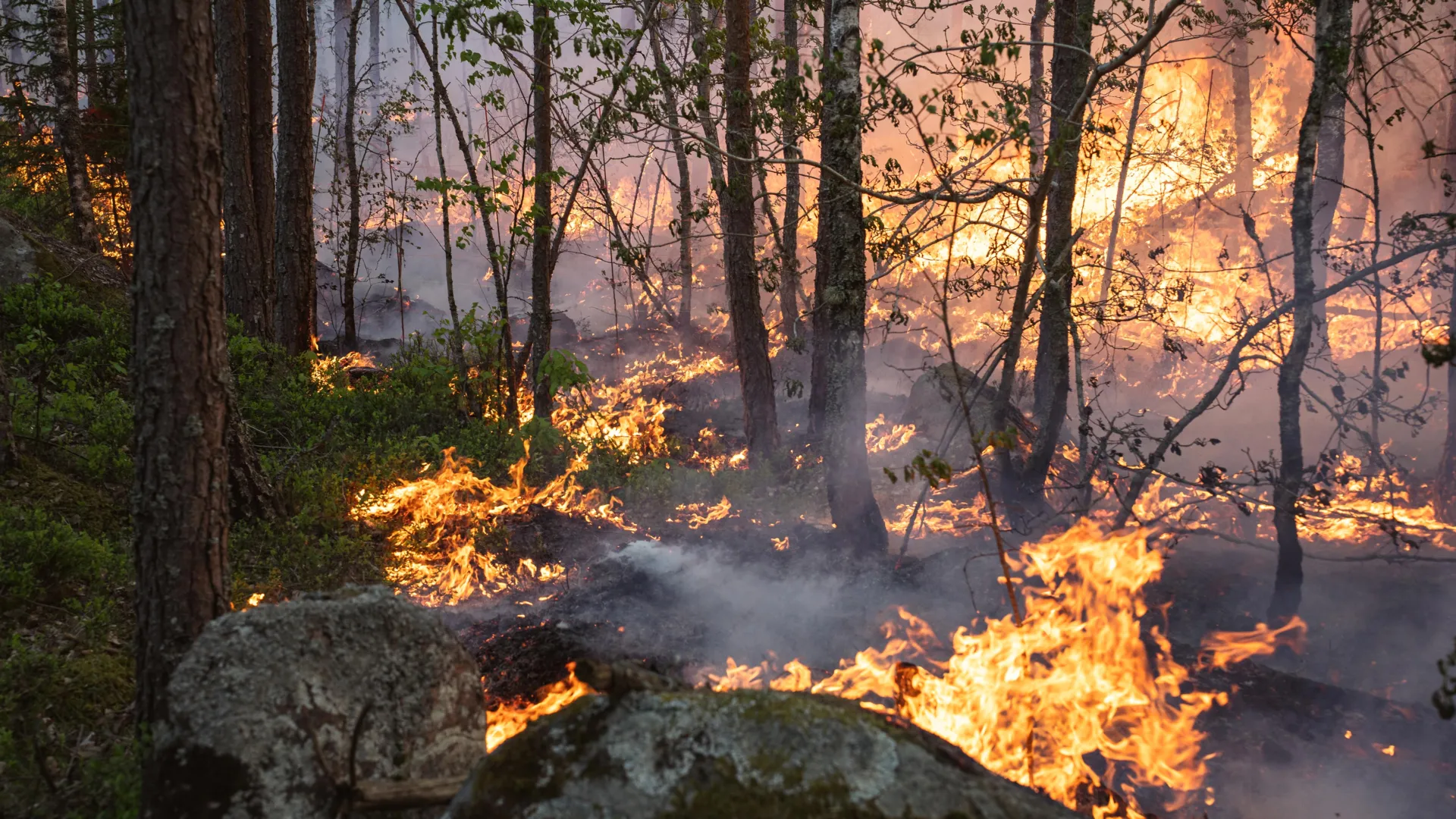
Recent research sheds light on a growing concern in the realm of climate science: the underestimated emissions from boreal wildfires. While wildfires are often seen as a seasonal threat, particularly in northern regions, new findings suggest that these fires could be far more detrimental to the climate than previously recognized. The heart of the issue lies in the unique characteristics of boreal forests, where wildfires are capable of igniting not just the surface but also the deep layers of peat soils, releasing significant amounts of ancient carbon that have been sequestered for centuries, if not millennia.
Boreal forests, which stretch across the northern latitudes of North America, Europe, and Asia, play a crucial role in global carbon dynamics. They represent one of the largest terrestrial carbon reservoirs, holding vast amounts of carbon in both biomass and soil. The presence of peat, a form of partially decayed organic matter, adds another layer of complexity. Peatlands are incredibly effective at storing carbon due to their anaerobic conditions that slow down decomposition. However, when wildfires occur, the repercussions can be catastrophic. These fires can burn slowly and smolder, sneaking beneath the forest canopy and reaching deep into the carbon-rich peat layers. This deep burning is particularly concerning because it releases carbon that has been locked away for hundreds or thousands of years, contributing to atmospheric CO2 levels in a significant way.
Traditionally, climate models have struggled to accurately account for emissions from these types of fires. The smoldering nature of boreal wildfires makes them difficult to observe from space, leading to a gap in our understanding of their true impact. While satellite imagery can capture large, active fires, the smaller, slower-burning events often go unnoticed. This lack of visibility means that climate models, which rely heavily on satellite data and other observational tools, may be underestimating the greenhouse gas emissions attributed to boreal wildfires. Such underestimations could have far-reaching implications for climate predictions and policy responses.
The consequences of failing to accurately model emissions from boreal wildfires are profound. As global temperatures rise, the frequency and intensity of wildfires are likely to increase, creating a feedback loop that exacerbates climate change. More intense fires lead to higher emissions, which in turn contribute to warmer temperatures, setting the stage for future wildfires. This cycle threatens not only the delicate ecosystems of boreal forests but also human communities that rely on these forests for their livelihoods and well-being. Understanding the true scale of emissions from these fires is essential for developing effective climate mitigation strategies and policies.
Moreover, the implications extend beyond carbon emissions alone. Boreal forests are home to a rich diversity of wildlife and are integral to Indigenous cultures and economies. The loss of these forests due to fire not only impacts carbon storage but also threatens biodiversity and disrupts local communities. As wildfires become more common, it is crucial to address not only the emissions they cause but also the broader ecological and social consequences. Strategies aimed at reducing wildfire risks, such as improved land management and fire prevention practices, will be vital in preserving these essential ecosystems.
As researchers continue to unravel the complexities of boreal wildfires and their contribution to climate change, there is a pressing need for enhanced monitoring and modeling efforts. This includes integrating data from ground-level observations, drones, and advanced satellite technology to capture the full spectrum of emissions from these fires. Policymakers must prioritize investment in research and monitoring to better understand the dynamics of boreal wildfires and their role in the global carbon cycle. Only with a comprehensive understanding can effective strategies be formulated to mitigate the impacts of these increasingly prevalent wildfires on our climate.