Understanding Regional Temperature Changes: A Deeper Dive into U.S. Warming Trends
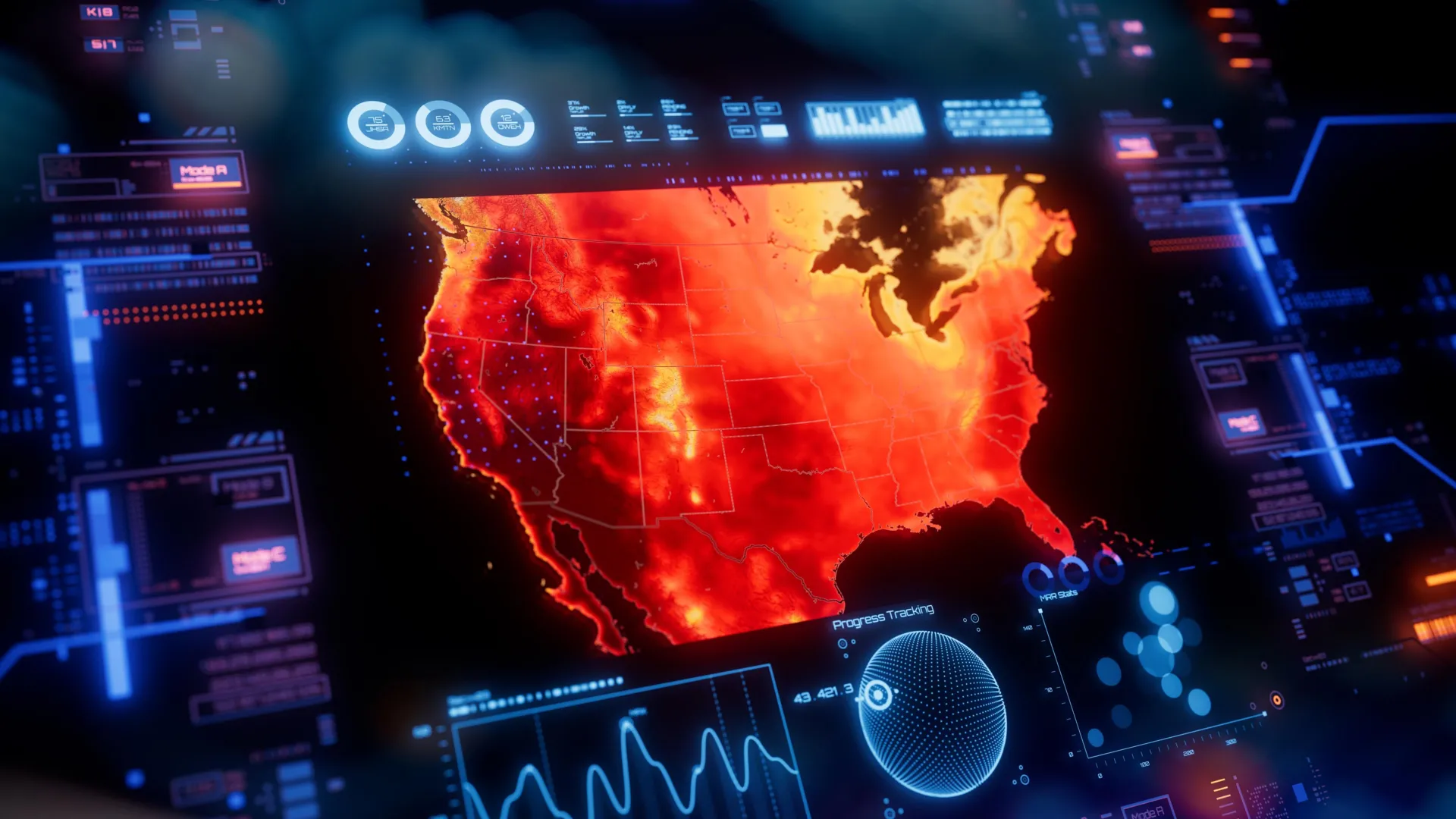
Warming trends across the United States present a complex picture that goes beyond the simplistic notion of uniformly rising temperatures. While national averages suggest a steady increase, a closer examination reveals that many states experience distinctive warming patterns that significantly influence their climates. Approximately half of the states exhibit rising average temperatures, yet the nuances of these changes are often overlooked. The phenomenon is not merely about how much warmer it gets, but how these shifts manifest in various ways, with notable implications for weather patterns, ecosystems, and human health.
Regional variations in warming are largely shaped by geographic and climatic factors. The western United States, for instance, is grappling with more frequent and intense heatwaves. Areas like California and Nevada have recorded some of the highest temperature increases, leading to severe drought conditions and heightened wildfire risks. These extreme heat events not only threaten the safety of residents but also strain water resources, agriculture, and public health systems. Consequently, the impacts of climate change are felt acutely in these regions, where hotter summers and prolonged dry spells can exacerbate existing vulnerabilities.
Conversely, northern states are experiencing a decrease in cold extremes. States such as Minnesota and North Dakota are witnessing milder winters, with fewer days of extreme cold. This shift can alter local ecosystems, affecting species that rely on cold conditions for survival. For example, fish populations may migrate to cooler waters, while plant species that depend on frost to trigger seasonal cycles may find their life cycles disrupted. The implications extend beyond wildlife; warmer winters can lead to increased pest populations, which in turn affect agriculture and forestry. The balance of these ecosystems is delicate, and shifts can result in unforeseen consequences.
The uneven warming trends across the United States underscore the intricate dynamics of climate change, which is not a one-size-fits-all phenomenon. Coastal regions are also feeling the effects, albeit in different ways. Rising sea levels, fueled by melting polar ice and thermal expansion of seawater, pose significant risks to states along the East and West Coasts. Flooding from storm surges has become more common, threatening infrastructure, homes, and natural habitats. Communities are forced to adapt to these challenges, often investing in costly mitigation measures or facing the prospect of displacement. These local impacts highlight the urgent need for tailored climate strategies that consider specific regional vulnerabilities.
Scientific research plays a crucial role in understanding these complex trends. Climate models indicate that temperature changes can vary significantly not only between states but also within regions. The National Oceanic and Atmospheric Administration (NOAA) and the Intergovernmental Panel on Climate Change (IPCC) provide critical data that help policymakers and the public grasp the scale and implications of climate change. For instance, NOAA's climate data reveals that some areas may warm significantly faster than others, making it imperative for communities to prepare for localized impacts rather than relying solely on national averages.
As citizens become more aware of the unique warming patterns in their states, it becomes increasingly vital to foster community engagement and resilience. Local governments, non-profits, and educational institutions can collaborate to develop effective response strategies that address specific environmental challenges. Public awareness campaigns, investment in renewable energy, and sustainable land management practices are all steps that can help communities adapt to changing conditions. As the narrative of climate change evolves, understanding the multifaceted nature of regional temperature changes can empower individuals and communities to take informed actions, ensuring a more sustainable future for all.