Understanding the Real Costs of Heating Your Home with Heat Pumps in the UK
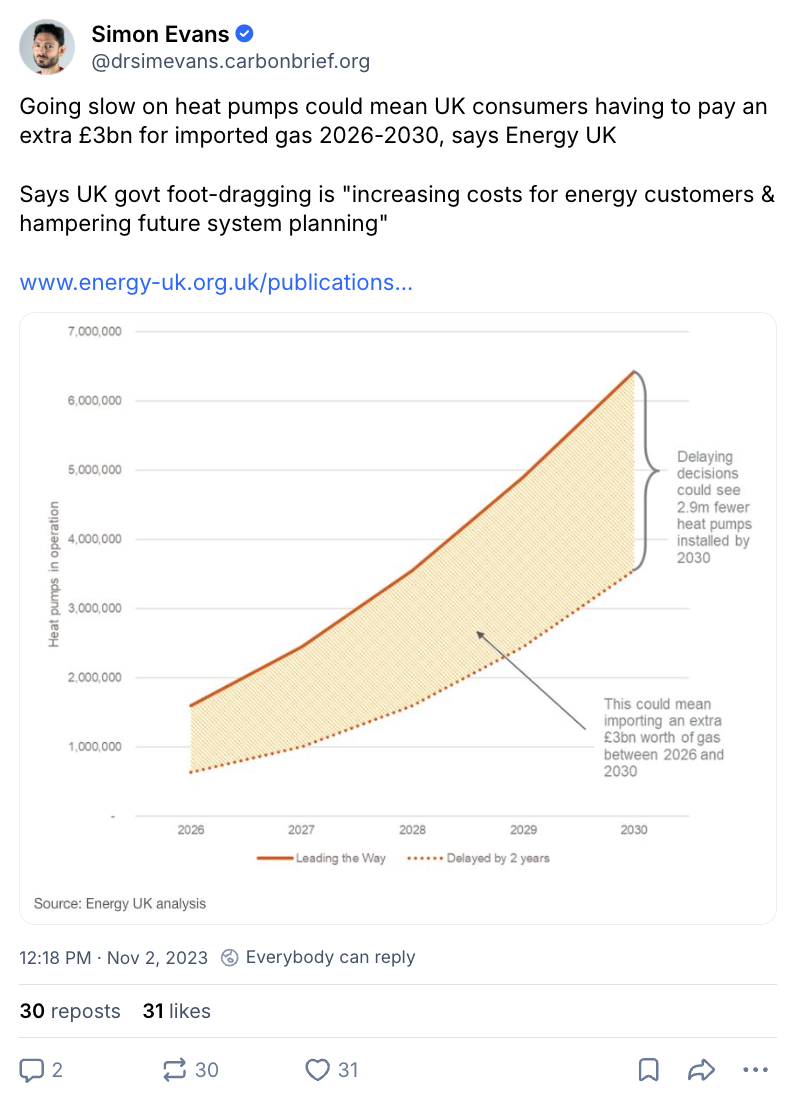
The conversation surrounding home heating in the UK is evolving, particularly with the growing emphasis on sustainability and reducing carbon emissions. Electric heat pumps have emerged as a cornerstone of the UK government's climate strategy. These innovative systems are not only pivotal for enhancing energy efficiency but also play a significant role in decreasing the nation's dependency on imported fossil fuels. The recent 'warm homes plan' introduced by the government suggests that households can save hundreds of pounds annually by transitioning from traditional gas boilers to heat pumps. This shift promises to not only reduce energy bills but also contribute to the UK’s broader environmental goals.
While the potential benefits of heat pumps are widely touted, recent reports have stirred controversy by suggesting that these systems are more expensive to operate than gas boilers. A report from the Green Britain Foundation, led by Dale Vince, who is also the owner of the energy firm Ecotricity, has caught media attention with its claims. Critics of the report argue that it relies on questionable data and presents a skewed perspective on the economic viability of heat pumps. Experts have pointed out that the foundation's analysis seems to cherry-pick data while ignoring the broader context of energy efficiency and the long-term savings that heat pumps can provide. This article aims to dissect these claims and clarify the actual cost implications of using heat pumps in UK homes.
Heat pumps operate on a fundamentally different principle compared to gas boilers. They transfer heat from the outside air into a building, functioning similarly to a refrigerator but in reverse. This process enables heat pumps to deliver three to four units of heat for every unit of electricity consumed, making them significantly more energy-efficient than traditional gas boilers, which usually deliver less than one unit of heat per unit of gas burned due to energy losses during combustion. With this efficiency, heat pumps can drastically reduce energy consumption, potentially lowering fossil fuel imports by up to 40 percent, even under the assumption that all electricity is generated from gas. In reality, the UK’s electricity grid is increasingly reliant on renewable sources, which can further enhance the environmental benefits of heat pumps.
While initial installation costs of heat pumps are higher than those of gas boilers, the long-term savings are noteworthy. The UK government's 'warm homes plan' estimates that households could save hundreds of pounds each year on energy bills after switching to a heat pump. Research from Nesta corroborates these findings, indicating that an average household could reduce its annual energy expenses by approximately £280 by replacing a gas boiler with a heat pump. These savings can be further amplified when heat pumps are integrated with other renewable technologies, such as solar panels and battery storage systems, creating a comprehensive clean energy solution.
Both the government and Nesta base their projections on relatively conservative assumptions regarding the efficiency of heat pumps. The government estimates a seasonal coefficient of performance (SCoP) of 2.8, which reflects the average heat output for each unit of electricity consumed. This figure is derived from a trial on the electrification of heat that took place between 2020 and 2022, demonstrating the suitability of heat pumps across various building types in the UK. Conversely, Nesta's analysis operates with a slightly more optimistic SCoP of 3.0. Notably, the estimates assume that homes with heat pumps will disconnect from the gas grid, thereby eliminating the daily standing charge for gas, which currently costs around £130 per year. Additionally, the analysis anticipates that heat pump users will take advantage of smart tariffs, which offer lower electricity prices during off-peak hours, further increasing potential savings.
The ongoing debate surrounding heat pumps highlights the importance of informed discussion regarding energy solutions and climate strategies in the UK. While critics like Dale Vince raise concerns based on perceived economic disadvantages, it is crucial for homeowners to consider the full spectrum of associated costs, including long-term savings and environmental impacts. As the UK transitions towards a more sustainable energy future, understanding the role of heat pumps can empower consumers to make informed decisions in their home heating choices. As the country strives to meet its climate goals, embracing efficient, renewable energy technologies like heat pumps will be essential not only for reducing household energy bills but also for fostering a greener, more sustainable environment.