Understanding the Repeal of the Endangerment Finding: Implications for U.S. Climate Policy
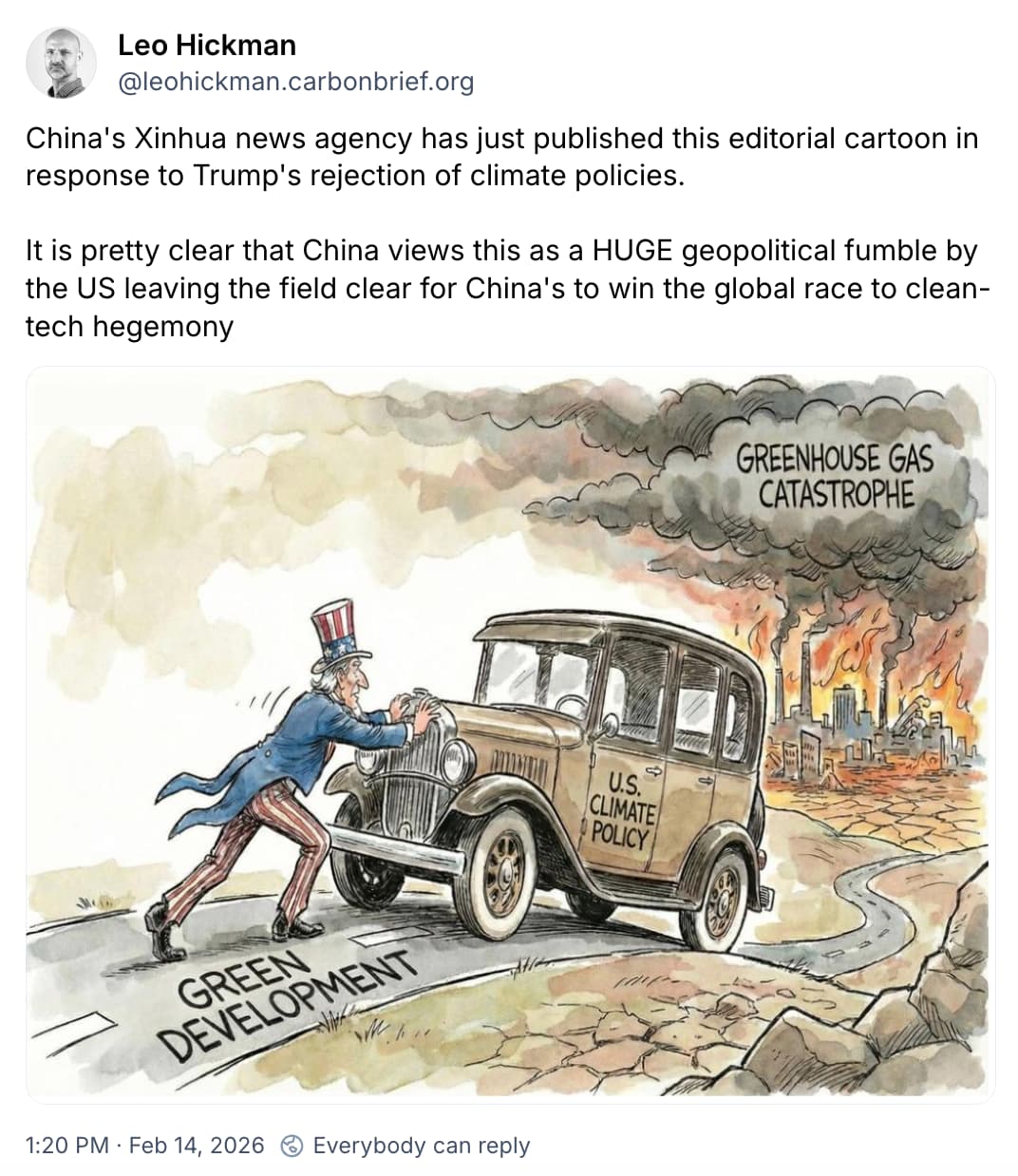
On February 12, 2020, a significant shift in U.S. climate policy occurred when President Donald Trump revoked the 'endangerment finding.' This crucial determination, established in 2009 under the Obama administration, recognized that six key greenhouse gases, including carbon dioxide, pose a threat to public health and the environment. The finding served as the foundation for federal regulations aimed at controlling these emissions, fundamentally shaping how the United States approaches climate change. The implications of this repeal are vast, raising questions about the future of federal climate action and the potential ripple effects on global efforts to mitigate climate change.
The endangerment finding emerged from a comprehensive scientific assessment conducted by the Environmental Protection Agency (EPA), which concluded that greenhouse gas emissions are detrimental to both current and future generations. It was not an arbitrary decision; rather, it was rooted in extensive research from credible scientific bodies, including the U.S. National Academies of Sciences, Engineering and Medicine. The 2009 finding specifically identified six well-mixed greenhouse gases, carbon dioxide (CO2), methane (CH4), nitrous oxide (N2O), hydrofluorocarbons (HFCs), perfluorocarbons (PFCs), and sulfur hexafluoride (SF6), thereby providing a scientific basis for regulating emissions across various sectors, including transportation and energy production.
The significance of the endangerment finding cannot be overstated. Following its establishment, federal agencies utilized this determination to implement a series of regulations aimed at reducing emissions from multiple sources. For instance, in 2010, the EPA set the first-ever greenhouse gas standards for light-duty vehicles, followed by regulations for heavy-duty engines the following year. This regulatory framework exemplified a proactive approach to climate change, allowing the U.S. to take decisive action even amidst challenges in passing comprehensive climate legislation. As such, the endangerment finding has served as a crucial tool for environmental advocates, scientists, and policymakers seeking to combat the escalating impacts of climate change.
Legal experts anticipate that the repeal of the endangerment finding will face significant challenges in the courts. The Clean Air Act mandates the EPA to regulate pollutants that pose a risk to health and welfare, a stipulation underscored by the Supreme Court's 2007 decision in Massachusetts v. EPA. This ruling established that greenhouse gases fall under the definition of pollutants, compelling the EPA to evaluate their impact on public health. Should the repeal be upheld, it could drastically undermine the EPA’s authority to enforce emissions regulations, leading to a potential rollback of progress made over the past decade. Nevertheless, environmental advocates remain optimistic that, even if the repeal is legally sustained, state-level initiatives and market forces aimed at reducing emissions may continue to drive down greenhouse gas levels, albeit at a slower rate.
Reactions to the repeal have been mixed, reflecting the polarized views on climate action in the United States. Proponents of the repeal argue that it will alleviate regulatory burdens on businesses and stimulate economic growth, claiming that the elimination of the endangerment finding could save trillions in compliance costs. Critics, on the other hand, warn that this move undermines the country’s commitment to addressing climate change and could have dire consequences for public health and the environment. Experts caution that without robust federal regulations, the U.S. may struggle to meet international climate goals and could lag behind other nations in transitioning to a sustainable economy.
The long-term implications of this repeal for U.S. emissions remain uncertain. Current projections suggest that while emissions may continue to decline, the pace of this reduction could slow significantly without the regulatory framework provided by the endangerment finding. The urgency of climate change calls for comprehensive and immediate action, and the absence of federal leadership may hinder efforts to address this global crisis. As states and local governments explore their paths forward, the narrative surrounding climate policy in the U.S. is set to evolve, revealing the complexities and challenges that lie ahead in the fight against climate change.