Unearthing Antarctica's Secrets: The Discovery of a Hidden Granite Giant Beneath the Ice
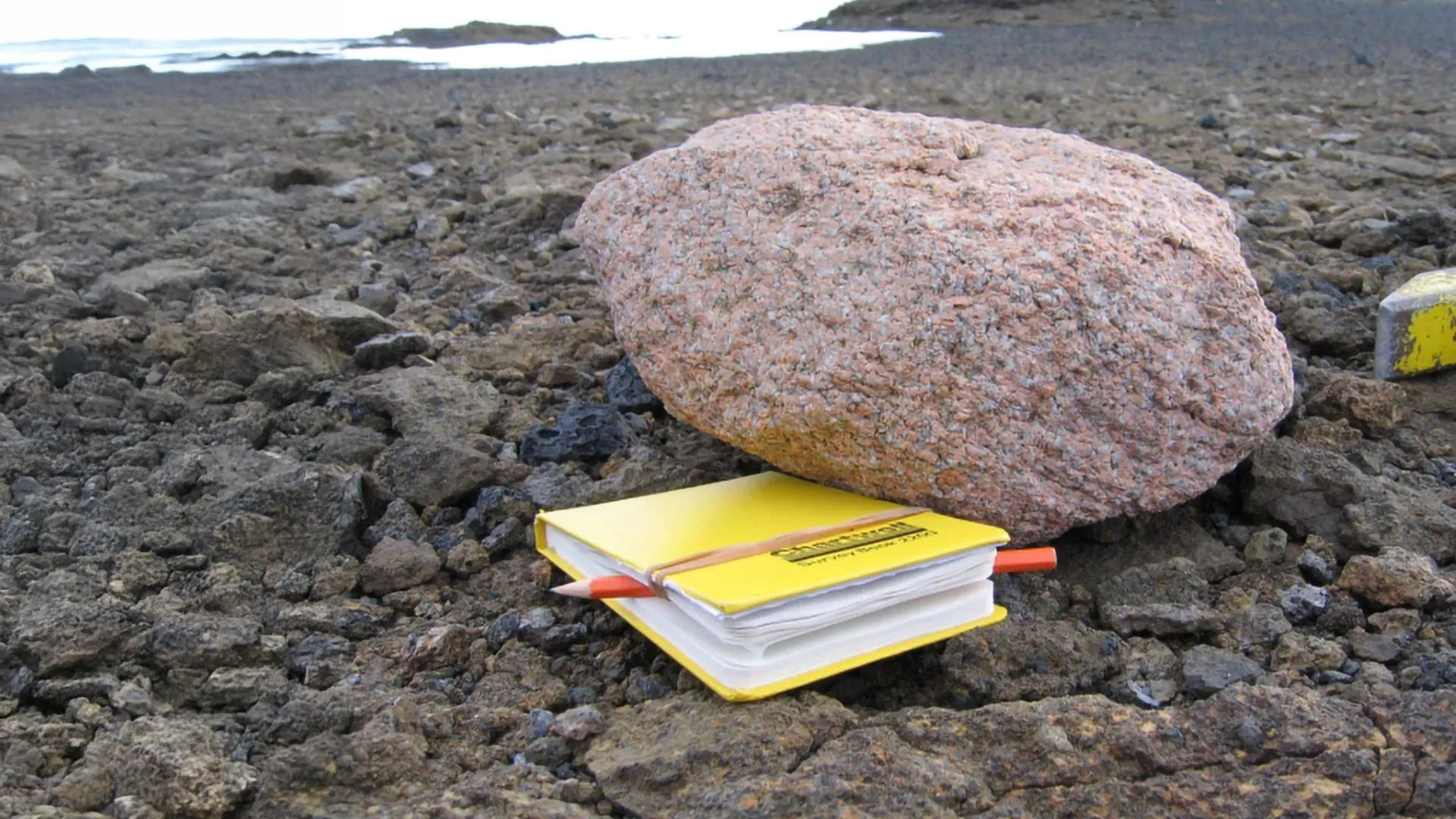
A recent geological investigation in the Hudson Mountains of Antarctica has unveiled a remarkable discovery that could reshape our understanding of the region's geological history. Researchers identified unusual pink granite boulders perched atop these remote mountains, prompting further exploration and analysis. This led to the revelation of a substantial hidden granite mass buried beneath the Pine Island Glacier, measuring an impressive 100 kilometers in width and approximately 7 kilometers in thickness. This significant find not only provides insights into the geological processes at play in Antarctica but also raises questions about the implications for ice dynamics and climate change in the region.
The pink boulders, which had puzzled scientists for years, were dated to the Jurassic period, a time when dinosaurs roamed the Earth and significant geological transformations were occurring globally. By utilizing advanced dating techniques and matching the granite's characteristics with gravity signals captured by aircraft, a clearer picture of the rocks' origins emerged. The findings suggest that these boulders are remnants of ancient landmasses that have since been buried under thick layers of ice. This connection illustrates the dynamic and ever-changing nature of Earth's surface over millions of years, as well as the intricate interplay between geological features and climate.
Understanding the hidden granite mass beneath Pine Island Glacier is crucial not only for geological studies but also for comprehending the broader implications of climate change. The Pine Island Glacier is one of the fastest-retreating glaciers in Antarctica, and its stability is vital for global sea level rise. As warmer ocean waters continue to erode the glacier from below, monitoring the underlying geological structures becomes increasingly important. The newly discovered granite formation may influence the glacier's behavior, potentially affecting how quickly it melts and contributes to rising sea levels. This connection highlights the significance of integrating geological research with climate science, allowing for more informed predictions about future scenarios.
The implications of this discovery extend beyond the immediate geological context. As climate change accelerates, understanding the interactions between ice sheets and underlying geological formations can provide critical insights into how these massive ice bodies will respond to warming temperatures. The Pine Island Glacier, along with its neighbors, serves as a key indicator of the health of the West Antarctic Ice Sheet. If the hidden granite mass plays a role in stabilizing or destabilizing the glacier, it could have far-reaching consequences for coastal communities around the world. Predictions suggest that significant melting of the Antarctic ice sheets could lead to sea level rise of several meters, posing serious risks to low-lying regions.
Furthermore, this research sheds light on the broader geological history of Antarctica, which has been largely shaped by tectonic movements and climatic shifts over eons. The region's geological record holds clues about past climate conditions, helping scientists to better understand the natural variability of Earth's climate system. By studying evidence from the Jurassic period and beyond, researchers can piece together a timeline of Earth's climatic evolution, offering context for current changes. This information is invaluable for developing models that predict future climate scenarios, particularly in light of the unprecedented rates of change observed in recent decades.
As scientists continue to unravel the mysteries of Antarctica's geological past, the significance of these findings cannot be understated. The interplay between ancient rock formations and modern climate dynamics underscores the need for a multidisciplinary approach to studying climate change. By combining geology, glaciology, and climate science, researchers can gain a more comprehensive understanding of how our planet functions. The discovery of the hidden granite mass beneath Pine Island Glacier is a testament to the ongoing quest for knowledge about Earth's complex systems, reminding us that even in the most remote and inhospitable places, nature holds secrets waiting to be uncovered.