Unearthing Earth's Secrets: How Ancient Rocks Beneath Australia Illuminate the Origins of Niobium
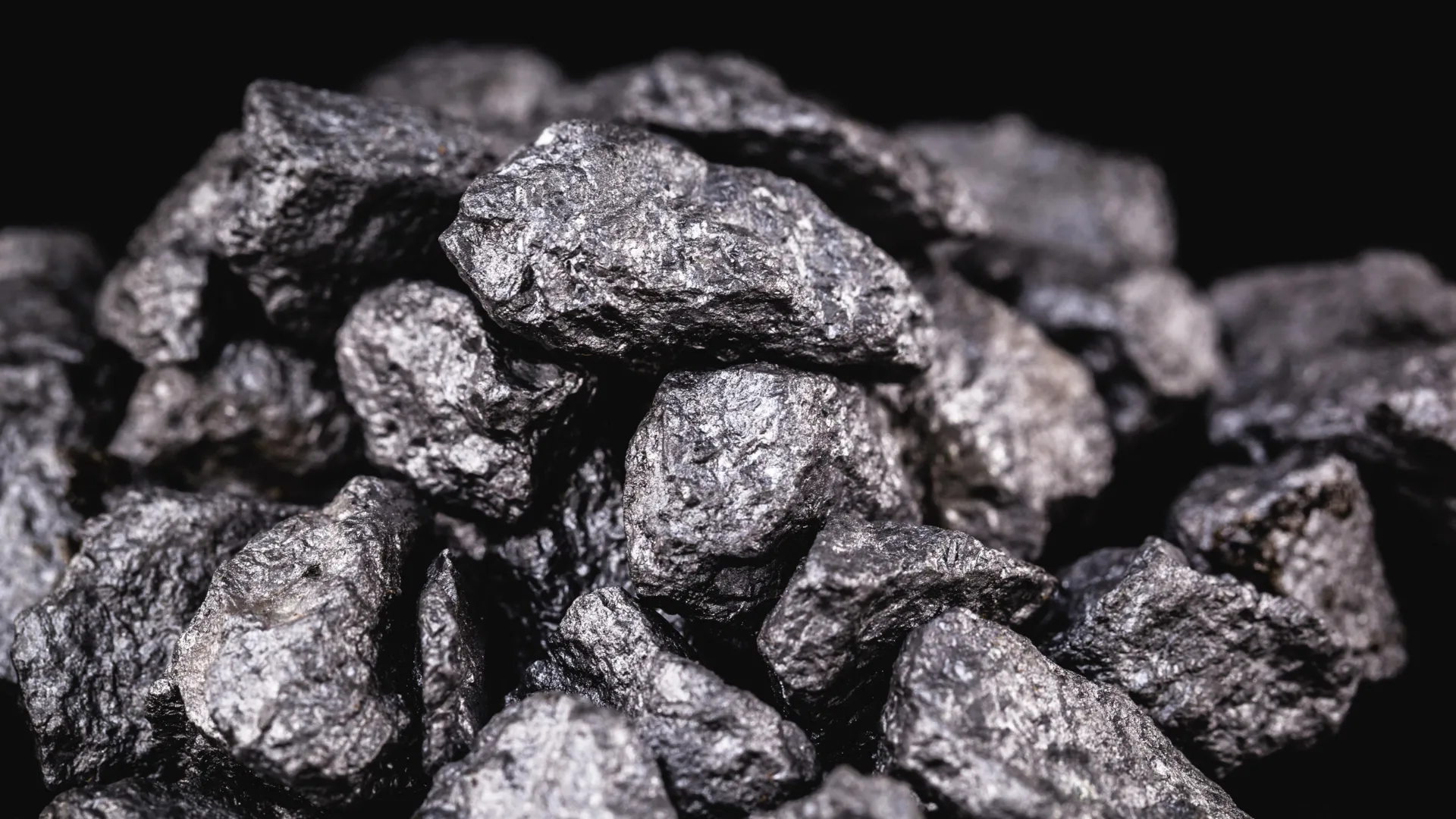
Deep beneath the arid landscapes of central Australia lies a geological treasure trove that has recently captivated scientists and industries alike. Researchers have uncovered rare rocks that shed light on the formation of a significant niobium deposit, a metal that plays a crucial role in the development of high-strength steel and modern technologies such as electric vehicles and renewable energy systems. This discovery not only enhances our understanding of Earth’s geological history but also underscores the importance of niobium in the context of a rapidly evolving technological future.
The niobium-rich rocks, formed over 800 million years ago, provide a fascinating glimpse into the planet's early tectonic activities. The breakup of an ancient supercontinent, known as Rodinia, initiated a tectonic rifting process that opened up pathways for metal-rich magma to ascend from the mantle into the crust. This geological phenomenon is a testament to the dynamic nature of our planet, where the movement of tectonic plates can catalyze the formation of vital mineral resources. Understanding the processes that led to the creation of these deposits not only enriches our comprehension of Earth’s history but also aids in resource exploration for critical materials needed in today's technologies.
Niobium, while not as well-known as other metals like lithium or cobalt, is essential in the production of high-strength steel alloys. These alloys are utilized in various applications, from construction materials for skyscrapers to components in vehicles that require lightweight yet robust materials to enhance fuel efficiency. As the world increasingly shifts towards sustainable energy sources, the demand for niobium is projected to rise, particularly in electric vehicles. The metal’s ability to improve strength and durability while reducing weight makes it a sought-after resource in the automotive industry, where manufacturers are striving to produce lighter, more efficient vehicles.
The geological insights gained from the Australian rocks also highlight the intricate relationship between geological processes and human industry. As technology advances and the demand for critical minerals escalates, understanding where and how these resources form becomes imperative. The discovery of these ancient rocks could pave the way for more targeted exploration efforts, potentially leading to the identification of new niobium deposits across the globe. This could not only secure a steady supply of niobium for industries but also stimulate local economies through mining and resource management.
Moreover, the significance of this discovery extends beyond economic implications. The study of these rare rocks contributes to a broader understanding of mineral formation and the geological history of our planet. Researchers are continually seeking to unravel the complexities of Earth's crust, and findings like these serve as crucial pieces of a much larger puzzle. Insights into past tectonic activities help geologists and climate scientists alike to model Earth’s climate history, as the movement of tectonic plates has significant implications for atmospheric conditions and the distribution of natural resources.
As the world grapples with the challenges posed by climate change and the transition to sustainable technologies, the importance of metals such as niobium cannot be overstated. The recent discoveries in central Australia not only enrich our understanding of Earth’s geological processes but also underscore the urgent need for responsible resource management. By delving into the origins of critical materials, scientists are not just illuminating the past; they are also guiding the future of technology and sustainability in a world that increasingly depends on efficient and environmentally friendly solutions.