Unearthing the Past: New Zealand's Million-Year-Old Fossil Discovery Sheds Light on Ancient Ecosystems
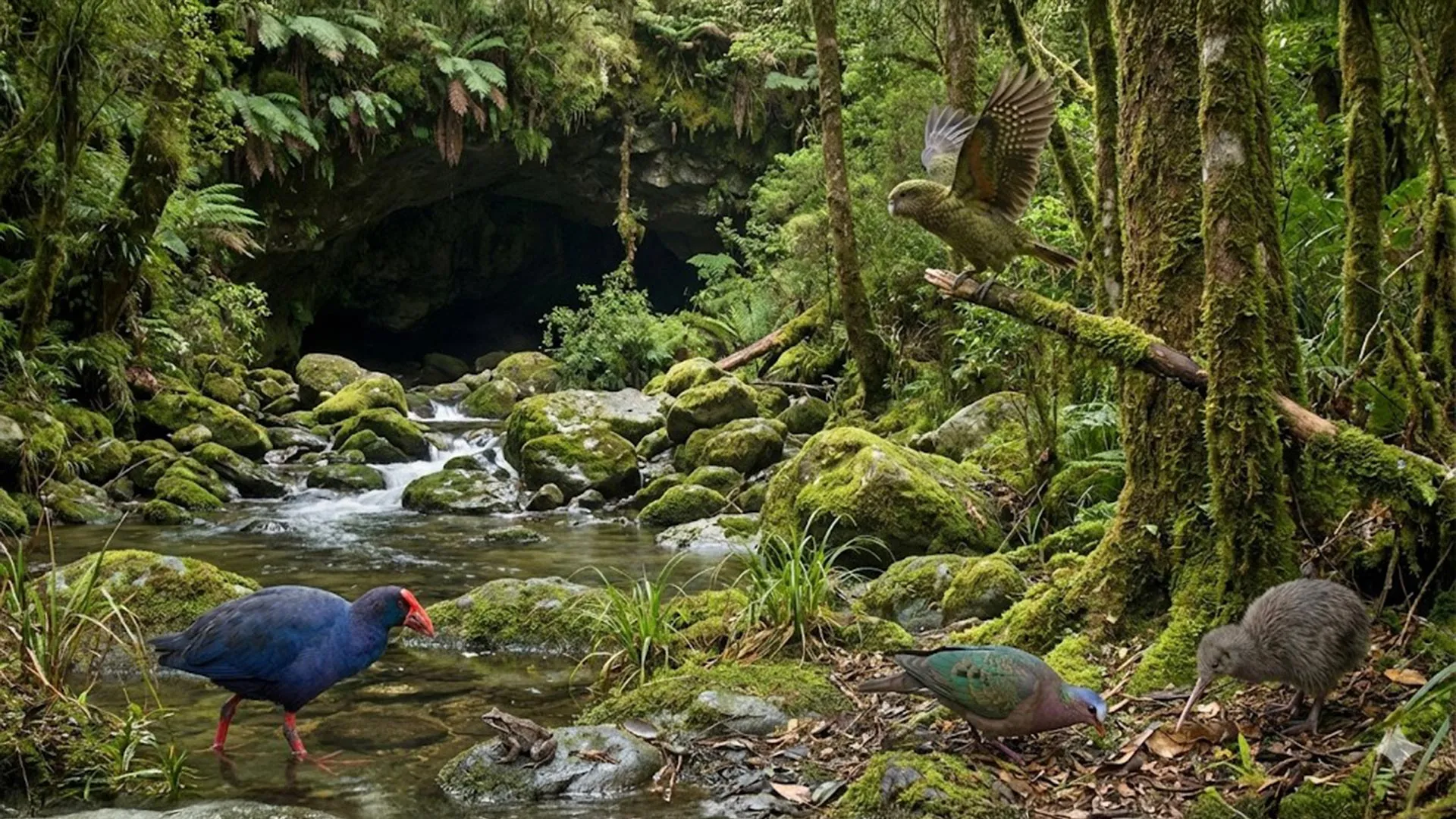
Beneath the rugged terrain of New Zealand, a remarkable discovery has been made that offers a glimpse into the Earth’s distant past. Scientists have uncovered fossils dating back nearly one million years within a cave, revealing a treasure trove of information about ancient ecosystems. Among the significant finds are remains from 16 different species, including an intriguing ancestor of the modern kākāpō, a flightless parrot native to New Zealand. This discovery not only enriches our understanding of species evolution in the region but also illustrates the profound environmental changes that have shaped New Zealand's unique biodiversity over millennia.
The fossils, meticulously excavated by a team of researchers, indicate that New Zealand's ecosystems have faced substantial upheaval due to a combination of volcanic activity and rapid climate fluctuations. These factors have played a crucial role in shaping the landscape and wildlife of the islands long before the arrival of humans. The evidence of volcanic eruptions is particularly significant, as they have historically led to mass extinction events, followed by waves of new species adapting to the altered environment. This cycle of devastation and renewal presents a compelling narrative of resilience and adaptation in the face of extreme environmental change.
Among the standout fossils is a newly identified ancestor of the kākāpō, which may have had the capability of flight. This finding challenges previously held notions about the evolutionary trajectory of the kākāpō, a species that has become emblematic of New Zealand’s conservation efforts. The potential for flight in its ancestor suggests a different ecological role and lifestyle that could have existed in ancient New Zealand. As such, this discovery provides critical insights into how the species adapted to its environment, potentially offering clues about its current vulnerability and the conservation strategies needed to protect it from extinction today.
Contextually, New Zealand's isolation has fostered a unique array of flora and fauna, much of which has evolved in response to the island's dynamic geological and climatic history. The presence of fossils from multiple species within this cave indicates that New Zealand's biota has been in a constant state of flux. This evolution has not only been shaped by natural selection and adaptation but also by the catastrophic events that reshaped the land. These findings underscore the importance of understanding historical biodiversity patterns to better predict how current species might respond to ongoing climate change, habitat loss, and other anthropogenic pressures.
The implications of this discovery extend beyond mere academic interest; they touch on pressing environmental issues facing New Zealand and the world today. Climate change is altering ecosystems at an unprecedented rate, and the historical data gleaned from these fossils can inform conservation efforts. By studying how ancient organisms responded to past climate shifts and volcanic activity, scientists can develop strategies to mitigate the impacts of contemporary environmental changes. This research serves as a vital reminder of the interconnectedness of life and the importance of preserving our natural heritage for future generations.
As the research continues, scientists are poised to unlock more secrets hidden within the cave, further enriching our understanding of New Zealand's ecological history. The findings highlight the importance of paleontology and the insights it provides into the resilience and vulnerability of ecosystems. Ultimately, this ancient time capsule offers not just a window into the past but also a roadmap for navigating the challenges of the future. As we grapple with the reality of climate change and biodiversity loss, the lessons learned from this remarkable discovery may hold the key to safeguarding our planet's rich and diverse ecosystems.