Unearthing the Secrets Beneath: How Deep-Earth Structures Influence Our Planet's Magnetic Field
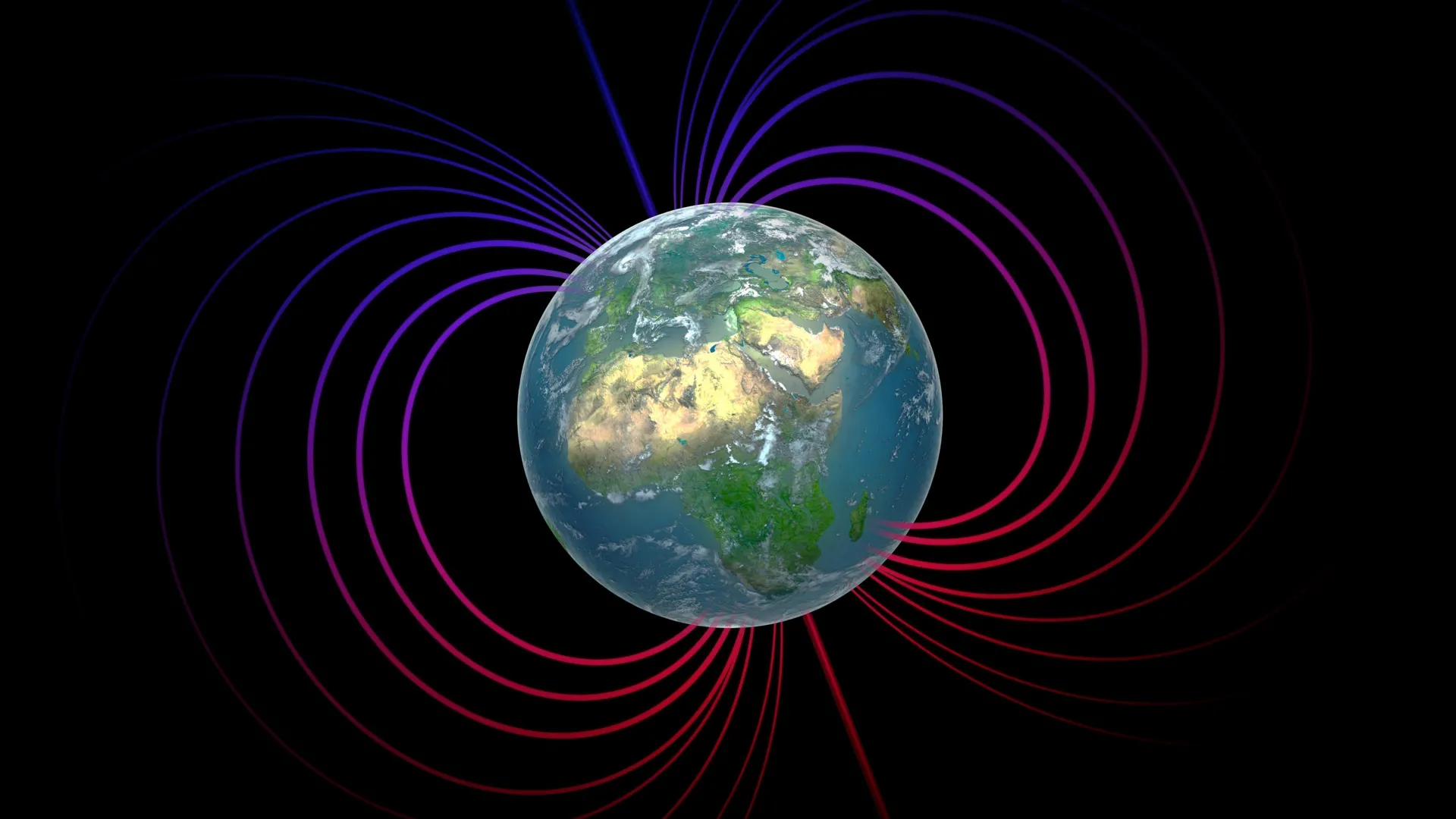
Recent scientific investigations have unveiled a fascinating aspect of Earth's inner workings, revealing that two colossal, hot rock structures deep within the planet are intricately linked to the behavior of its magnetic field. These findings, which have emerged from a combination of ancient magnetic records and cutting-edge simulations, underscore the complexity of Earth’s geological processes and their far-reaching implications for life on the surface. Understanding these hidden structures not only enlightens our grasp of Earth’s magnetic field but also offers insight into the dynamic systems governing our planet's geology.
The magnetic field, which acts as a protective shield against harmful cosmic radiation, is generated by the movement of molten iron in Earth’s outer core. This process, known as the geodynamo, is influenced by various geological phenomena, including the structures found in the mantle. The recent discoveries indicate that two massive, stationary regions of hot rock, often referred to as mantle plumes, have played a critical role in shaping the flow of liquid iron. This flow is crucial for the generation of the magnetic field, and any changes in its dynamics can have significant consequences for the magnetic field's stability and strength.
The research team employed sophisticated simulation techniques alongside ancient magnetic records to trace the evolution of the magnetic field over millions of years. They found that while certain regions of the magnetic field exhibited remarkable long-term stability, other areas experienced rapid fluctuations. These variations are believed to be influenced by the thermal and compositional characteristics of the underlying mantle plumes. By analyzing the behavior of these structures, scientists can better predict how the magnetic field might evolve in the future, which is essential for understanding potential impacts on technology, wildlife, and the environment.
The implications of these findings extend beyond mere academic curiosity. The magnetic field plays a vital role in protecting Earth's atmosphere from solar winds, which are streams of charged particles emitted by the sun. A weakened magnetic field could expose the planet to increased radiation, potentially harming electrical grids, satellites, and even biological systems. Understanding the mechanisms that influence the magnetic field allows researchers to assess risks associated with geomagnetic storms and to develop strategies for mitigating their impacts. This knowledge could be crucial as society becomes increasingly reliant on technology that is vulnerable to such disturbances.
Moreover, the interplay between deep-Earth structures and the magnetic field highlights the interconnectedness of various geological and atmospheric processes. The study of these mantle plumes not only sheds light on magnetic field dynamics but also raises questions about the broader implications for plate tectonics, volcanic activity, and climate change. As scientists delve deeper into this research, they may uncover links that reveal how deep-Earth processes can influence surface conditions, potentially reshaping our understanding of Earth’s history and its future trajectory.
In summary, the discovery of these hidden deep-Earth structures is a significant leap forward in the realm of geophysics. As scientists continue to unravel the complexities of Earth's interior, the insights gained will not only enhance our understanding of the magnetic field but also provide crucial information for anticipating environmental changes that could arise from fluctuations in this protective barrier. The interaction between geology and magnetic fields serves as a reminder of the intricate and dynamic nature of our planet, and the importance of ongoing research in this vital area.