Unlocking the Benefits of Net-Zero: A Pathway to Economic Stability and Environmental Resilience
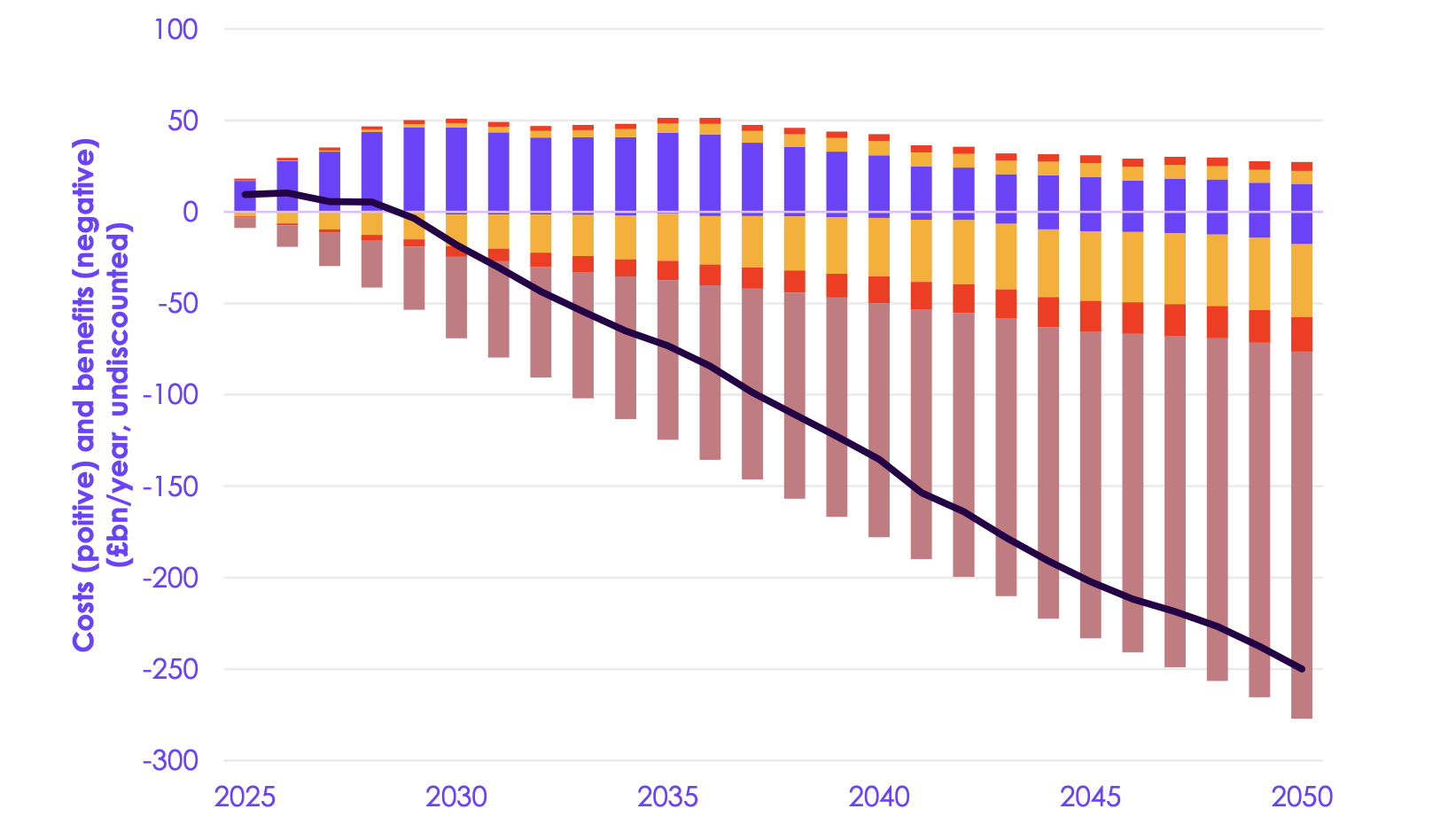
A recent report from the Climate Change Committee (CCC) has revealed a transformative perspective on the United Kingdom's journey toward net-zero emissions by 2050. The findings indicate that the long-term economic benefits of achieving net-zero far outweigh the costs associated with the transition. The CCC's analysis emphasizes that investing in a clean-energy economy will effectively shield the UK from the volatility of fossil fuel price shocks, particularly relevant amid the current turmoil in international energy markets following geopolitical tensions. With oil and gas prices experiencing significant surges due to conflicts involving major producers, understanding the economic implications of transitioning to net-zero has never been more critical.
The CCC's report provides a comprehensive cost-benefit analysis of the net-zero target, demonstrating that the average annual costs to achieve this goal are estimated to be below 0.2% of the UK's GDP. This translates to an investment of approximately £4 billion per year, a figure that pales in comparison to the substantial economic benefits anticipated from the transition. The report estimates that the net-zero strategy will yield an average of £110 billion in annual benefits from 2025 to 2050, culminating in a remarkable total net present value of £1.58 trillion. These figures not only underscore the financial viability of a net-zero economy but also highlight its potential to drive economic growth and job creation in the renewable energy sector.
Significantly, the CCC's report responds to increasing calls from parliamentarians and government officials for clarity on the cost implications of net-zero amid the ongoing cost-of-living crisis in the UK. By addressing misconceptions surrounding the financial burden of decarbonization, the CCC aims to inform public discourse and guide policymakers towards sensible decisions that prioritize long-term sustainability over short-term gains. CCC chair Nigel Topping emphasized that accurate information is crucial for informed debates, especially in light of widespread misinformation regarding the cost of achieving net-zero emissions.
The analysis presented by the CCC marks a pivotal shift in how the costs of decarbonization are compared with the broader benefits of mitigating climate change. The report highlights various co-benefits associated with the transition, including improved air quality and public health, which collectively contribute an estimated £2 billion to £8 billion in net benefits per year by mid-century. The CCC notes that these co-benefits begin to surpass costs as early as 2029, reinforcing the idea that the sooner the UK embarks on this path, the greater the economic returns will be.
One of the most compelling insights from the report is the potential for a more efficient energy system, which could significantly reduce energy waste. The CCC calculates that the current energy system incurs losses of approximately £60 billion annually, primarily due to inefficiencies in fossil fuel consumption. Transitioning to a net-zero energy framework is projected to halve these losses, resulting in a savings of around £30 billion per year. This efficiency translates to almost £1,000 in savings for each household, bolstering the case for immediate investment in clean technologies such as electric vehicles and heat pumps.
The report also draws attention to the urgent need for action, noting that climate change is already manifesting through increasingly extreme weather patterns in the UK. Failing to transition to net-zero emissions will result in escalating climate-related damages, with predictions estimating economic losses between £40 billion and £130 billion by 2050 if unmitigated. The findings align with conclusions from the Office for Budget Responsibility (OBR), which indicated that the long-term costs of inaction on climate change would far exceed the investments necessary to achieve net-zero.
As the UK grapples with the challenges of climate change, rising energy prices, and economic uncertainty, the CCC's report offers a hopeful vision for the future. By embracing a net-zero strategy, the UK has the opportunity to build a resilient economy that not only mitigates the risks associated with fossil fuel dependency but also enhances public health and creates a sustainable energy landscape. This comprehensive analysis serves as a crucial reminder that the pathway to net-zero is not merely an environmental obligation but an economic imperative that can lead to a prosperous and secure future for all.