Unlocking the Mysteries of Antarctica's Gravity Anomaly: A Deep Dive into Earth's Hidden Forces
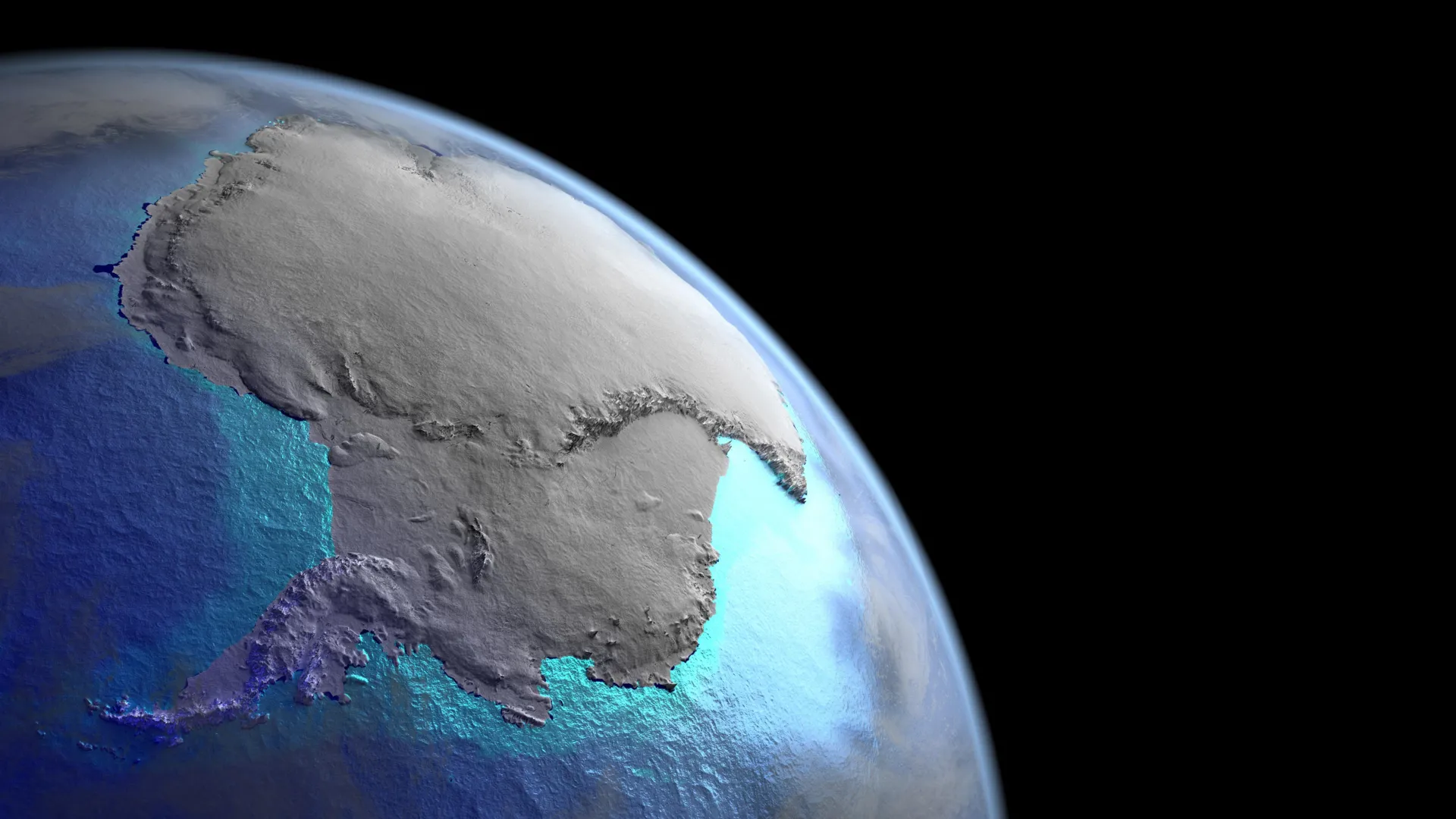
Gravity is a force that governs our everyday experiences, shaping everything from the way we walk to the trajectory of falling objects. However, this fundamental force does not remain constant across the globe. Variations in gravity can occur due to differences in the Earth's composition, density, and even the movements of tectonic plates. One of the most intriguing gravitational anomalies can be found in Antarctica, where the pull of gravity is slightly weaker than what scientists would expect. This peculiar phenomenon, often referred to as a 'gravity hole,' has fascinated geophysicists and researchers for years, and recent studies have shed light on its origins and significance.
The concept of a gravity anomaly is not unique to Antarctica; similar variations can be found in other locations around the world. However, the Antarctic gravity hole stands out due to its unique geological features and the complexities of its formation. Researchers have traced the origins of this anomaly to slow, deep movements of rock within the Earth's mantle, which have been unfolding over the course of tens of millions of years. This geological activity, along with the region's specific characteristics, contributes to the weaker gravitational pull experienced in this icy expanse.
To understand the evolution of this gravity anomaly, scientists employed advanced techniques reminiscent of medical imaging. By utilizing seismic data from earthquakes, researchers essentially conducted a CT scan of the Earth’s interior. This method provides a detailed view of the subsurface structures, allowing scientists to visualize how the gravitational anomaly developed over time. The findings indicate that the gravity hole experienced significant changes between 50 and 30 million years ago, a period during which geological activity was particularly pronounced. This research not only enhances our understanding of the Antarctic region but also offers insights into the dynamic processes occurring beneath the Earth's surface.
The implications of this discovery extend beyond mere scientific curiosity. Understanding the gravity anomaly in Antarctica is crucial for several reasons. Firstly, it provides critical information about the geological history of our planet. By mapping the deep processes that shape the Earth's crust, scientists can gain valuable insights into the forces that have influenced the formation of continents and oceans over geological time. This knowledge is essential for constructing a comprehensive picture of Earth's history and could inform future research in fields such as geology, paleoclimatology, and even planetary science.
Moreover, the study of gravity anomalies can have practical applications as well. In an era marked by climate change and environmental concerns, understanding the geological characteristics of regions like Antarctica can inform predictions about ice sheet dynamics and sea-level rise. As global temperatures continue to rise, the stability of the Antarctic ice sheets is increasingly in question. By comprehensively mapping the geological features of this region, scientists can better assess how these ice sheets will respond to warming temperatures and changing environmental conditions. This information is vital for policymakers and communities that are vulnerable to the impacts of climate change.
In conclusion, the exploration of Antarctica's gravity anomaly is a remarkable intersection of geology, physics, and climate science. The ongoing research not only illuminates the processes that have shaped our planet over millions of years but also serves as a critical tool for understanding the future of our environment. As scientists continue to unravel the mysteries of this gravity hole, they are not only piecing together the puzzle of Earth's geological history but also equipping society with the knowledge needed to navigate the challenges posed by climate change. The study of our planet's gravitational variations is a reminder of the dynamic nature of Earth and the importance of continued research in this vital field.