Unlocking the Mysteries of Ediacara: Insights into Earth's Most Bizarre Fossils
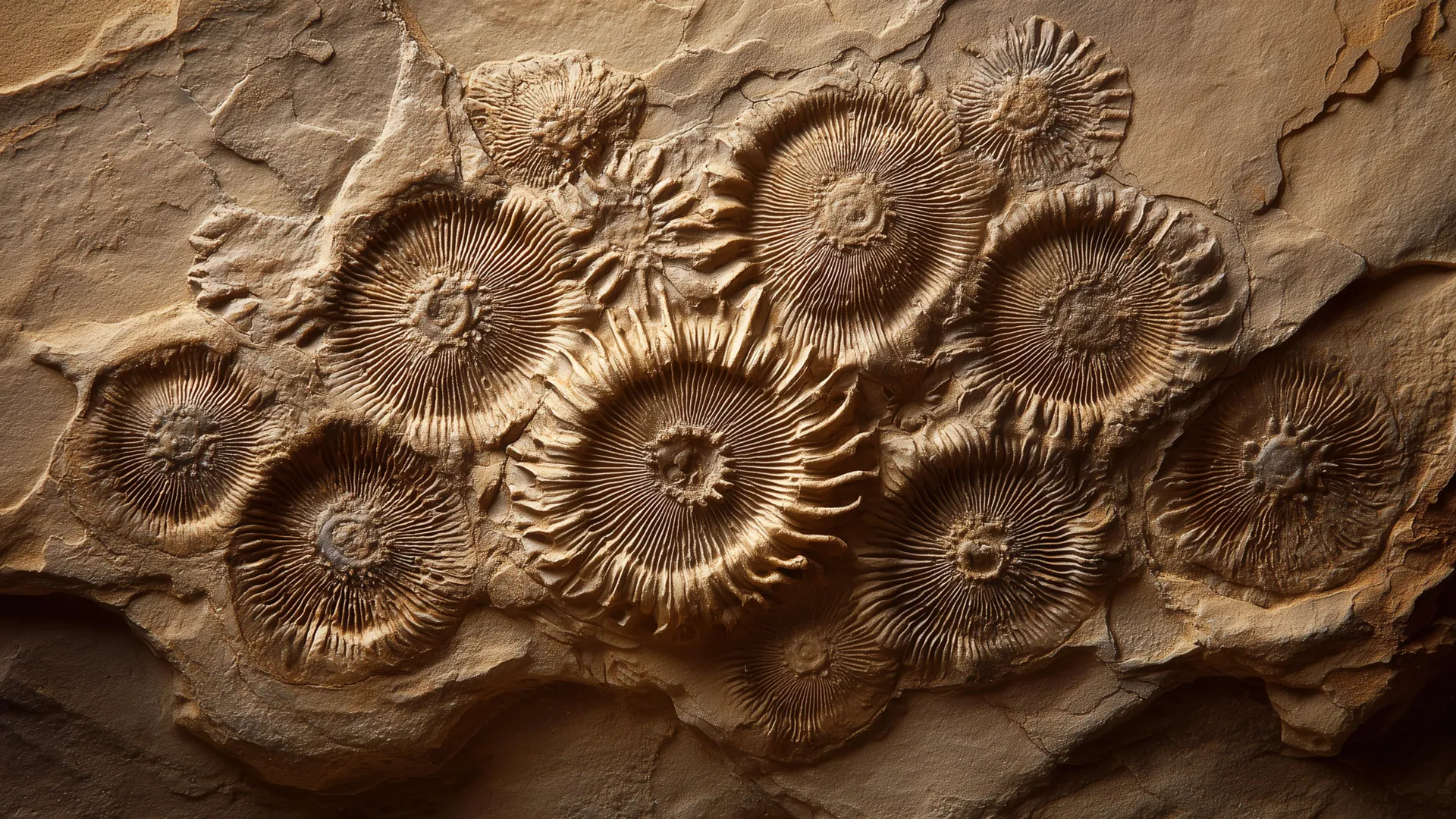
Ediacara Biota remains one of the most enigmatic chapters in the story of life's evolution on Earth. Discovered in the Ediacara Hills of South Australia, these fossils date back to approximately 635 to 541 million years ago, during the late Precambrian period. Unlike any modern organisms, these soft-bodied life forms exhibit a range of unique shapes and structures, raising fundamental questions about their biology and ecological role. Recent research has begun to unravel some of these mysteries, revealing that the survival of these organisms in sandstone may be attributed to an unusual ancient seawater chemistry that fostered remarkable fossil preservation.
The Ediacara Biota consists of a diverse collection of organisms, many of which challenge our understanding of early life on Earth. Some of these fossils display intricate patterns and forms that suggest a level of complexity not commonly associated with soft-bodied organisms. Their preservation in sandstone, a rock type typically not conducive to such delicate fossils, has puzzled scientists for decades. However, a team of researchers has proposed a compelling hypothesis regarding the unique conditions of ancient seawater chemistry that contributed to the exceptional preservation of these organisms. They believe that a combination of specific minerals and chemical processes allowed for the formation of clay “cements” around the bodies of these creatures after they were buried, effectively capturing their delicate shapes that might otherwise have disintegrated.
The significance of this finding extends beyond mere curiosity about ancient life forms. It provides critical insights into the conditions that led to the emergence of complex multicellular organisms just prior to the Cambrian Explosion, a period approximately 541 million years ago when a dramatic increase in the diversity of life forms is observed in the fossil record. Understanding the factors that influenced the Ediacara Biota's survival and preservation can shed light on the evolutionary pathways that led to the development of more complex life forms. This period is pivotal in understanding how primitive organisms transitioned to the diverse and complex ecosystems that characterize modern Earth.
Moreover, this research emphasizes the importance of geological and environmental conditions in shaping the fossil record. The chemistry of ancient oceans likely played a crucial role in determining which organisms were preserved and how they were fossilized. The discovery of these unique preservation processes highlights the intricate interplay between biological life and geological activity. It underscores the idea that the conditions of the Earth, including its chemistry, climate, and geological processes, have always influenced the evolution and preservation of life.
Further investigations into the Ediacara Biota will not only deepen our understanding of these extraordinary organisms but will also contribute to the broader field of paleobiology. As scientists continue to analyze these fossils, advanced imaging techniques and chemical analyses will enhance our understanding of their biology, ecology, and evolution. The implications of this research reach into our understanding of life's resilience and adaptability in the face of environmental changes, which is a topic of increasing relevance in today's context of climate change and ecological shifts.
In summary, the recent insights into the Ediacara Biota and their preservation mechanisms represent a significant advance in our understanding of early life on Earth. These findings not only help elucidate the conditions that allowed for the survival of some of the strangest fossils known to science but also provide a clearer picture of the evolutionary processes that preceded the Cambrian Explosion. As researchers continue to delve into the mysteries of these ancient organisms, they will undoubtedly unlock even more secrets about the history of life on our planet, revealing the intricate connections between Earth's geological history and biological evolution.