Unlocking the Secrets of a Rust-Like Mineral: A Key Player in Carbon Sequestration
The quest to combat climate change has led scientists to explore innovative solutions for reducing carbon dioxide levels in the atmosphere. Among the many strategies being investigated, a common iron mineral found in soils has emerged as a surprising hero in the fight against climate change. This mineral, known for its rust-like appearance, has been revealed to possess remarkable carbon-trapping abilities, far beyond what researchers initially anticipated. Understanding how this mineral operates not only sheds light on the natural processes of carbon sequestration but also offers valuable insights for developing more effective climate solutions.
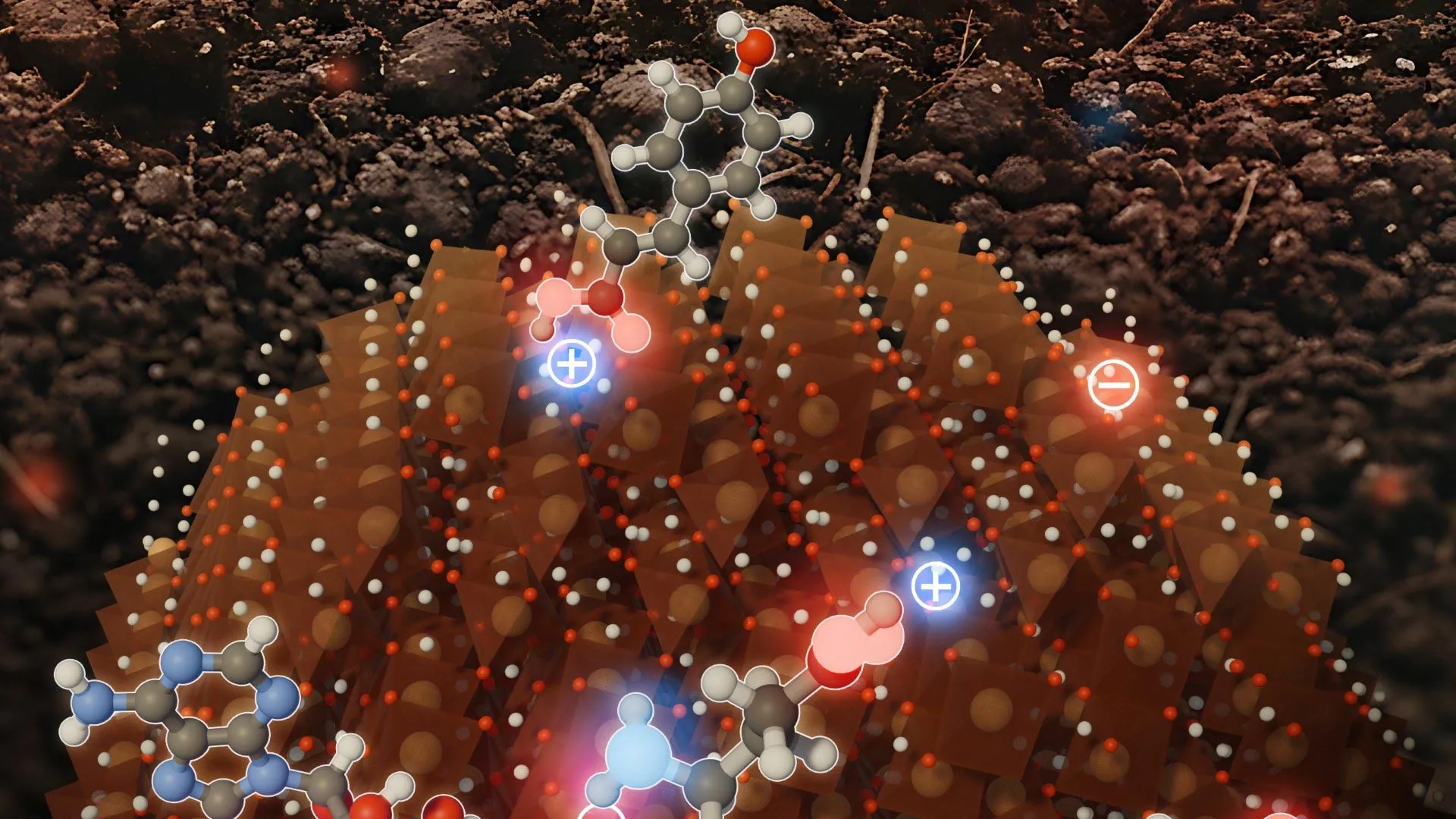
This iron mineral, often referred to as goethite, is a prevalent component of many soils worldwide. Its significance lies in the intricate structure of its surface, which is not uniform but rather a nanoscale patchwork of varying charges. This unique configuration allows goethite to interact with a diverse array of organic molecules, capturing carbon dioxide and other compounds with remarkable efficiency. Unlike minerals that rely on a single weak bond to hold onto carbon, goethite employs multiple bonding strategies. This multifaceted approach enables it to secure carbon more effectively, making it a valuable asset in the long-term storage of carbon in soils.
Research into the mechanisms through which goethite captures carbon has revealed fascinating details about the mineral's interactions with organic matter. The surface of goethite is charged positively in certain areas and negatively in others, creating a dynamic environment where various organic molecules can adhere. This electrostatic interaction is crucial, as it allows for the binding of different types of organic matter, including plant residues and microbial byproducts. As these materials decompose, they release carbon, which can then be sequestered by goethite, effectively reducing the amount of carbon dioxide that escapes into the atmosphere.
The implications of these findings are profound. Soils are already recognized as significant carbon sinks, storing more carbon than the atmosphere and all terrestrial vegetation combined. However, understanding the specific roles that minerals like goethite play in these processes enhances our knowledge of soil carbon dynamics. By identifying the mechanisms that facilitate carbon storage, researchers can develop better management practices aimed at preserving and enhancing soil health. This could involve strategies such as promoting organic farming techniques that increase the organic matter in soils, thereby boosting the capacity of minerals like goethite to sequester carbon.
Furthermore, the role of minerals in carbon sequestration is not only important for climate mitigation but also for maintaining ecosystem health. Healthy soils contribute to biodiversity, water retention, and nutrient cycling, all of which are critical for sustainable agriculture and ecosystem resilience. By focusing on the interactions between soil minerals and organic matter, scientists can work towards creating healthier soil systems that benefit both the environment and human agricultural practices. This dual focus on carbon sequestration and soil health could lead to innovative agricultural practices that are both sustainable and beneficial for the planet.
Continued research into the properties of goethite and similar minerals is essential for advancing our understanding of carbon storage in soils. As climate change continues to pose significant threats to global ecosystems, identifying natural solutions that enhance carbon sequestration becomes increasingly critical. The study of goethite not only provides a window into the complex interactions that occur within soils but also opens up pathways for developing practical strategies to mitigate climate change. By harnessing the natural abilities of minerals like goethite, we may find ourselves better equipped to address one of the most pressing challenges of our time.