Unmasking the Illusion: The Real Story Behind Arctic Snow Loss
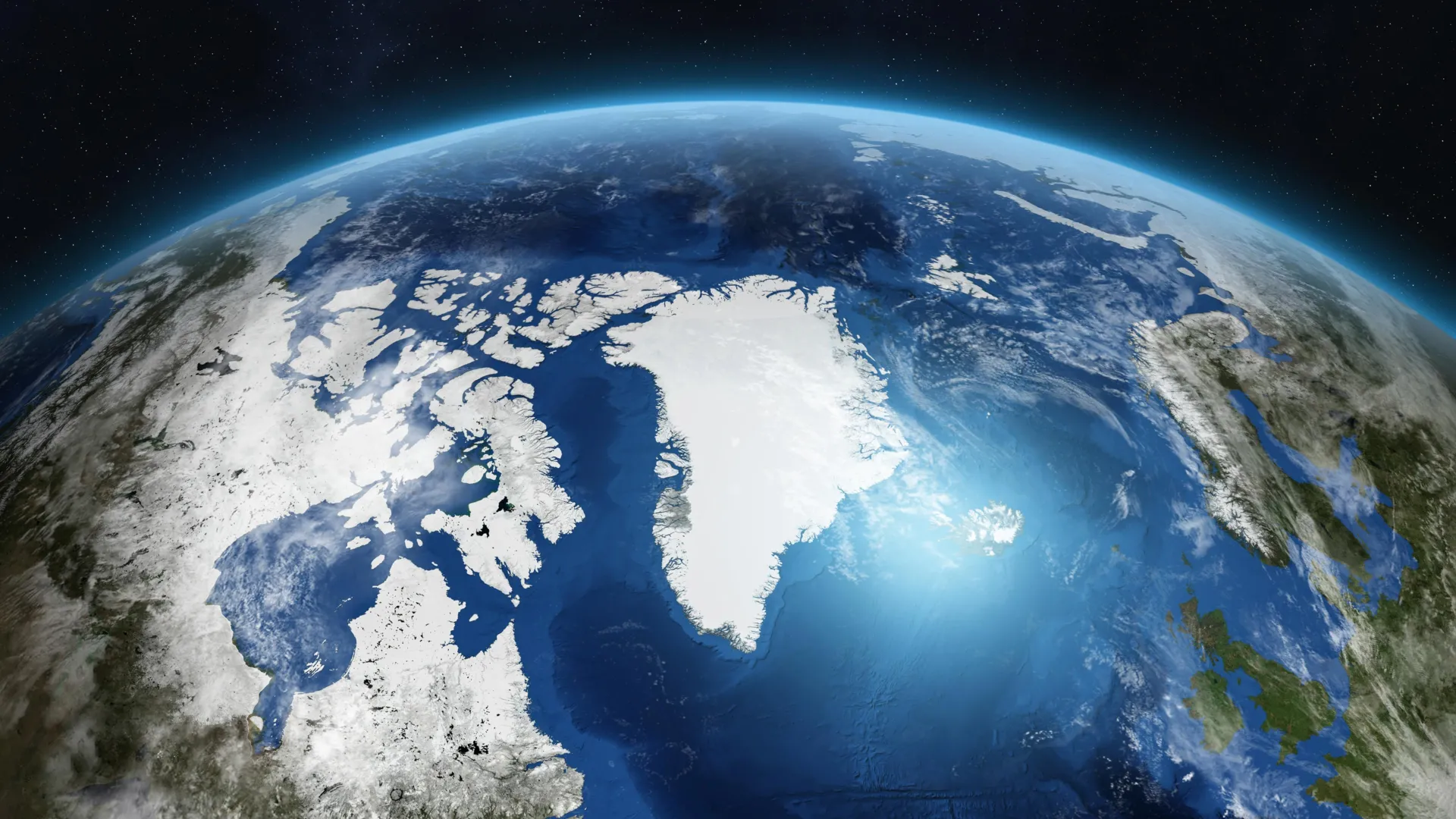
Satellite data has long been celebrated for its ability to monitor and provide insights into Earth's changing climate. For years, such data indicated a puzzling trend in the Northern Hemisphere: an increase in autumn snow cover. This finding appeared to contradict the widely understood effects of global warming, leading many to question the reliability of climate models and the implications for our planet's health. However, a recent analysis has brought to light a significant revelation that shifts the narrative regarding snow cover losses in the Arctic region. The apparent increase in snow cover was not a sign of recovery but rather an illusion created by advancements in satellite technology that allowed better detection of thinner layers of snow. In reality, the Northern Hemisphere is experiencing a concerning decline in snow cover, shrinking at a rate of approximately half a million square kilometers each decade.
The implications of this revelation are profound. Snow cover plays a crucial role in regulating the Earth's climate system. It acts as a reflective surface, bouncing sunlight back into space, which helps to keep the planet cool. When snow cover decreases, more solar energy is absorbed by the land and oceans, leading to a rise in temperatures. This feedback loop can accelerate climate change, creating an environment where warmer temperatures further diminish snow cover and ice, leading to even greater warming. Understanding the true scale of snow loss is essential for climate scientists and policymakers as they work to address the impacts of climate change on ecosystems and human societies.
The initial misunderstanding regarding snow cover trends primarily stemmed from the evolution of satellite technology. Earlier satellite instruments struggled to detect thin layers of snow, leading to an underestimation of snow cover loss. As technology improved, the ability to identify and measure these thinner snow layers became more precise, revealing a grim reality hidden behind the numbers. This discrepancy underscores the importance of continuous advancements in remote sensing technologies and their role in climate science. With better data, researchers can make more accurate assessments of climate trends, which is vital for developing effective adaptation and mitigation strategies.
The decline in Arctic snow cover is not an isolated phenomenon; it is part of a broader pattern of climate change impacts observed globally. The Arctic region, in particular, is warming at a rate that is nearly twice as fast as the global average. This increased warming has led to a cascade of effects, including melting glaciers, thawing permafrost, and altered weather patterns. The loss of snow cover can exacerbate these changes. As snow and ice retreat, ecosystems that depend on these conditions face severe disruptions, impacting both wildlife and human communities. The significance of this decline extends beyond the Arctic, as changes in snow cover can influence weather patterns across the Northern Hemisphere, affecting agricultural productivity and water supply in regions far from the poles.
Moreover, this issue emphasizes the need for a more nuanced understanding of climate data and the challenges inherent in interpreting satellite observations. The apparent contradiction of increasing snow cover in a warming world highlights the complexities of climate systems and the necessity for careful analysis of data. Climate scientists must remain vigilant in examining the context behind the numbers, as superficial interpretations can lead to misguided conclusions and policies. It is critical to disseminate accurate information to the public and decision-makers, fostering a deeper understanding of the ongoing changes in our climate and the urgent need for action.
As we move forward, the focus should be on harnessing this new understanding to inform climate action. Policymakers and scientists must prioritize research that enhances our understanding of snow cover dynamics and their implications for global climate systems. This includes investing in better satellite technologies, conducting field studies to validate satellite data, and integrating findings into climate models. By acknowledging the true scale of snow loss and its far-reaching effects, we can better prepare for the challenges that lie ahead and work towards effective solutions that will benefit both our planet and future generations.