Unprecedented Wildfires Ravage Tropical Peatlands, Raising Alarms Over Climate Impact
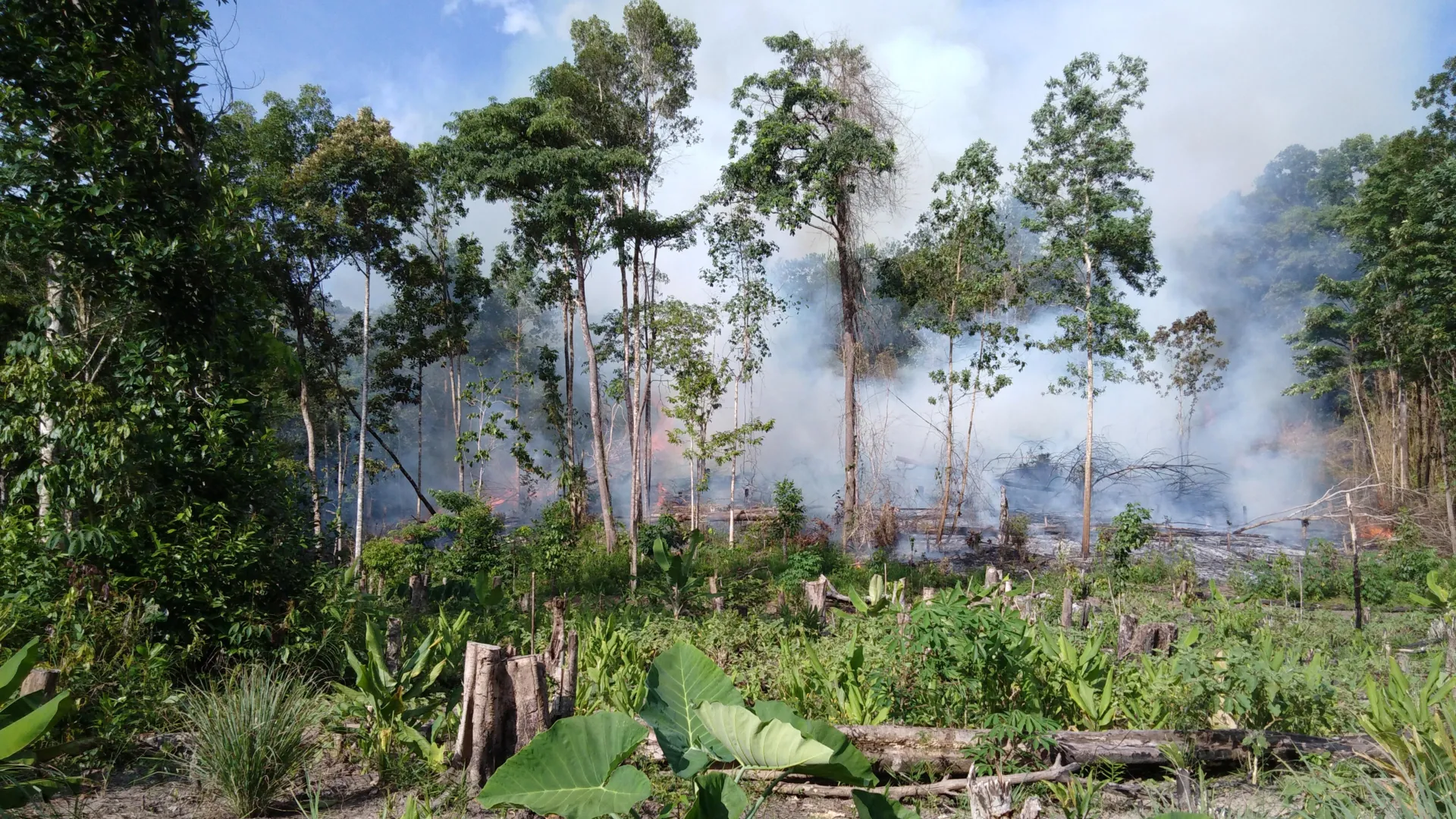
Recent research has unveiled a troubling trend in tropical peatlands, where wildfires have surged to a staggering two-millennia high. This alarming development threatens not only the local ecosystems but also contributes significantly to global carbon emissions, thereby exacerbating climate change. Peatlands, often referred to as the planet's lungs, hold vast amounts of carbon, making their health vital for maintaining the Earth's climate balance. Understanding the factors fueling this uptick in wildfires is crucial, as it highlights the intersection of natural phenomena and human influence on these delicate environments.
The study, which meticulously analyzed preserved charcoal samples from peat across various continents, reveals a stark contrast to historical patterns. For more than a millennium, the frequency of wildfires in these carbon-rich ecosystems had been on a slow decline, primarily influenced by natural climate cycles. These cycles, such as prolonged droughts and wet periods, played a significant role in shaping the fire dynamics of peatlands. However, the 20th century marked a dramatic turnaround, with a steep increase in wildfire occurrences, particularly in regions like Southeast Asia and Australasia. This shift raises questions about the underlying causes and the implications for global carbon stores.
Human activity has been identified as a key driver behind the recent escalation of wildfires in tropical peatlands. Land-use changes, particularly the conversion of forested areas into agricultural land, have significantly disturbed these ecosystems. Practices such as slash-and-burn agriculture and logging not only remove vegetation that serves as a natural barrier against fires but also create conditions conducive to ignition. As peatlands dry out due to these activities, they become increasingly susceptible to wildfire outbreaks. The rising frequency and intensity of these fires threaten to release massive amounts of stored carbon dioxide into the atmosphere, which could further accelerate global warming.
The implications of burning tropical peatlands extend beyond immediate environmental damage. The carbon released from these fires can have a profound impact on global climate patterns. As huge amounts of carbon dioxide enter the atmosphere, they contribute to the greenhouse effect, which is responsible for rising global temperatures. Furthermore, the smoke from these fires can have serious health consequences for nearby populations, leading to respiratory issues and other health problems. The socio-economic ramifications are equally concerning, as communities dependent on healthy peatland ecosystems for their livelihoods face increasing challenges.
Efforts to mitigate the impact of wildfires in tropical peatlands are urgently needed. Conservation strategies that focus on sustainable land management can play a pivotal role in curbing the frequency and intensity of these fires. Initiatives that promote reforestation, restoration of degraded peatlands, and the implementation of fire management practices are essential for safeguarding these critical ecosystems. International cooperation is equally important, as the consequences of peatland fires are not confined to national borders. Global awareness and action are vital to address the underlying drivers of peatland degradation and to promote practices that protect these invaluable carbon reservoirs.
The current situation serves as a stark reminder of the fragile balance within our ecosystems and the intricate interplay between natural processes and human activity. The findings from this research not only highlight the urgent need for action but also emphasize the importance of understanding the historical context of wildfires in tropical peatlands. As the world grapples with the challenge of climate change, preserving these carbon-rich environments will be crucial. Ensuring their longevity requires a concerted effort from governments, organizations, and individuals alike, to foster a sustainable relationship with our planet's natural resources.