Unraveling a Cosmic Mystery: The Discovery of Ancient Tektites in Brazil
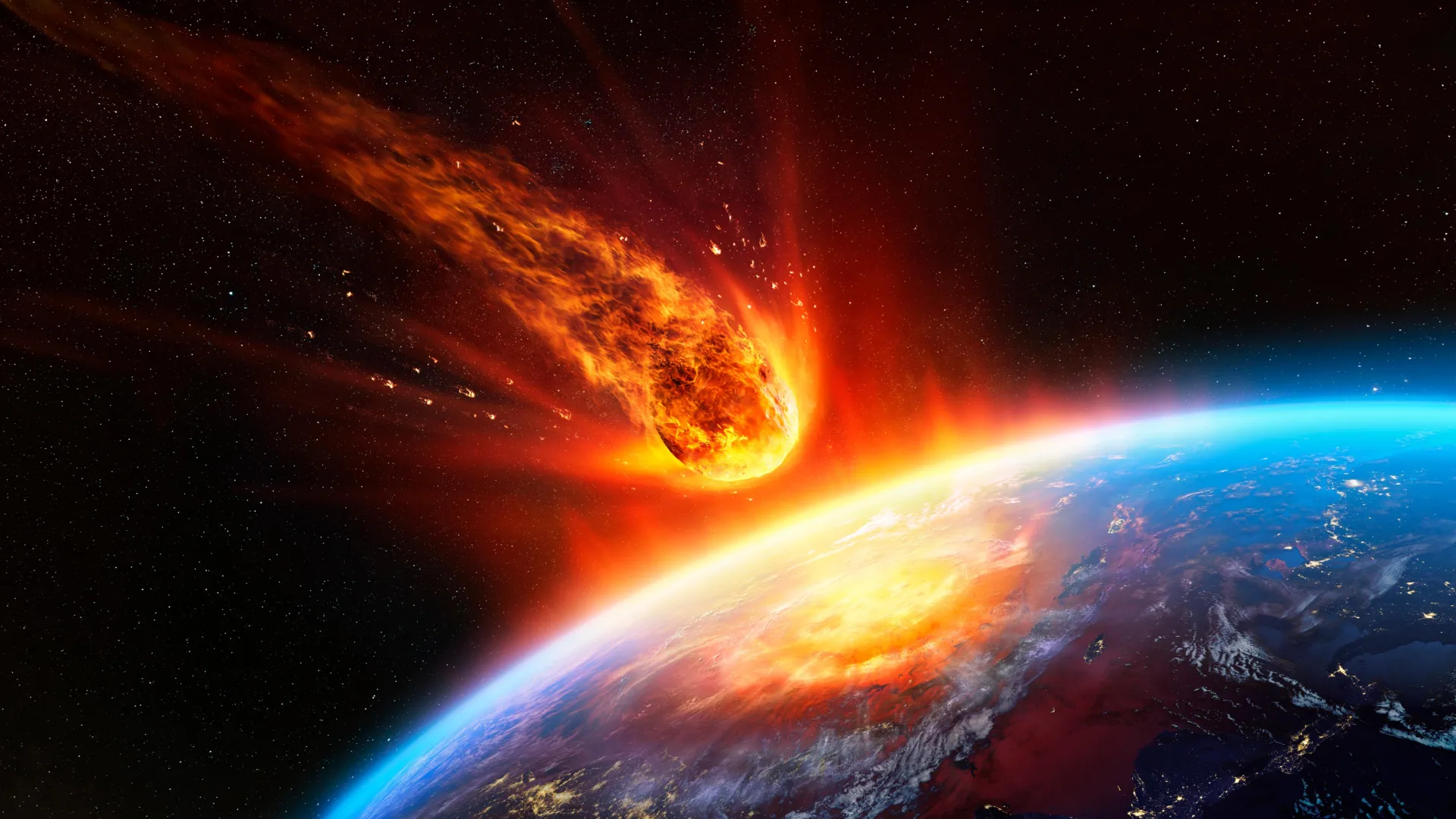
An astonishing revelation in the realm of geology and planetary science has emerged from Brazil, where scientists have identified an extensive field of tektites. These enigmatic glassy remnants, known as geraisites, were formed by a colossal extraterrestrial impact approximately 6.3 million years ago. This significant discovery not only enhances our understanding of Earth's dynamic history but also sheds light on the complex interplay between celestial events and terrestrial geology. The implications of this finding extend beyond mere curiosity, as it offers insights into the Earth's past climate changes and the evolution of life during the late Cenozoic era.
Tektites, the glassy materials formed from the intense heat and pressure of an asteroid or comet impact, have long fascinated scientists. They consist of natural glass that solidifies rapidly after being ejected into the atmosphere during a high-energy collision. The geraisites found in Brazil are characterized by their dark coloration and aerodynamic shapes, reflecting their formation through the violent forces of a significant impact event. Stretching over 900 kilometers, the distribution of these tektites marks one of the largest known impact events in South America, providing a unique opportunity to study the geological and environmental consequences of such cosmic encounters.
The specific impact event that generated the geraisites is believed to have occurred during the Miocene epoch, a time when Earth experienced substantial climatic shifts and ecological transformations. This period was marked by the emergence of modern flora and fauna, and the impact could have had profound effects on the environment. The intense heat generated by the collision would have created a shockwave, potentially leading to wildfires, tsunamis, and significant atmospheric changes. Such alterations could have disrupted ecosystems, influenced species migration, and played a role in the evolutionary trajectory of many organisms.
Understanding the full impact of the collision and the subsequent formation of geraisites requires interdisciplinary research. Scientists are employing various methods, including isotopic analysis and geochemical assessments, to determine the age of the tektites and their relationship to other geological features in the region. This research not only aims to establish a clearer timeline of events surrounding the impact but also seeks to unravel the mysteries of how such extraterrestrial events can reshape terrestrial landscapes and influence climatic conditions.
The discovery of the geraisites also raises intriguing questions about the broader implications of asteroid impacts on Earth. Throughout geological history, our planet has been subjected to numerous significant impacts, some of which have led to mass extinctions or dramatic shifts in biodiversity. The study of tektites provides a record of these events, acting as a window into the past that helps scientists understand the potential consequences of future impacts. With the increasing interest in planetary defense and the monitoring of near-Earth objects, insights gained from the study of ancient impacts are invaluable for assessing potential risks and preparing for the future.
As research continues on the geraisites and their origins, the findings will likely contribute to a deeper understanding of Earth's history and its intricate relationship with the cosmos. The study of these tektites not only expands our knowledge of past events but also serves as a reminder of the ever-present potential for celestial bodies to influence life on Earth. This recent discovery in Brazil stands as a testament to the ongoing exploration of our planet's past, inviting further investigation into the forces that have shaped the world we inhabit today.