Unraveling Earth's Climate History: Volcanic Eruptions, Not Asteroids, Behind Greenland's Ancient Cooling Event
The Greenland ice sheet has long been a treasure trove for scientists studying Earth's climatic past. Recent research has shed light on a long-standing mystery linked to a dramatic cooling period known as the Younger Dryas, which occurred approximately 12,800 years ago. Previous theories suggested that this sudden return to colder conditions was triggered by a catastrophic event, such as a comet or asteroid impact. However, groundbreaking findings now indicate that volcanic eruptions were the more plausible cause, providing a clearer understanding of the events that shaped our planet's climatic history.
For years, the scientific community has been captivated by a notable spike in platinum levels found deep within the Greenland ice core samples. This spike was initially interpreted as evidence of extraterrestrial impacts, which could have released enormous energy and debris into the atmosphere. This theory was compelling, as it aligned with the dramatic climatic shifts observed during the Younger Dryas, where temperatures plummeted sharply. Proponents of the impact hypothesis argued that such an event could have disrupted the global climate system, leading to a rapid cooling that lasted for about a millennium.
However, the latest research challenges this narrative. A team of scientists meticulously analyzed the timing and characteristics of the platinum spike in relation to other geological and climatological data. Their findings revealed that the platinum signal appeared decades after the onset of the Younger Dryas cooling period. This temporal discrepancy is significant. If an asteroid or comet had caused the cooling, one would expect to see the platinum spike coincide closely with the initial drop in temperatures. Instead, the data suggests that the platinum was deposited in the ice long after the climate had begun to cool, indicating that other processes were at play.
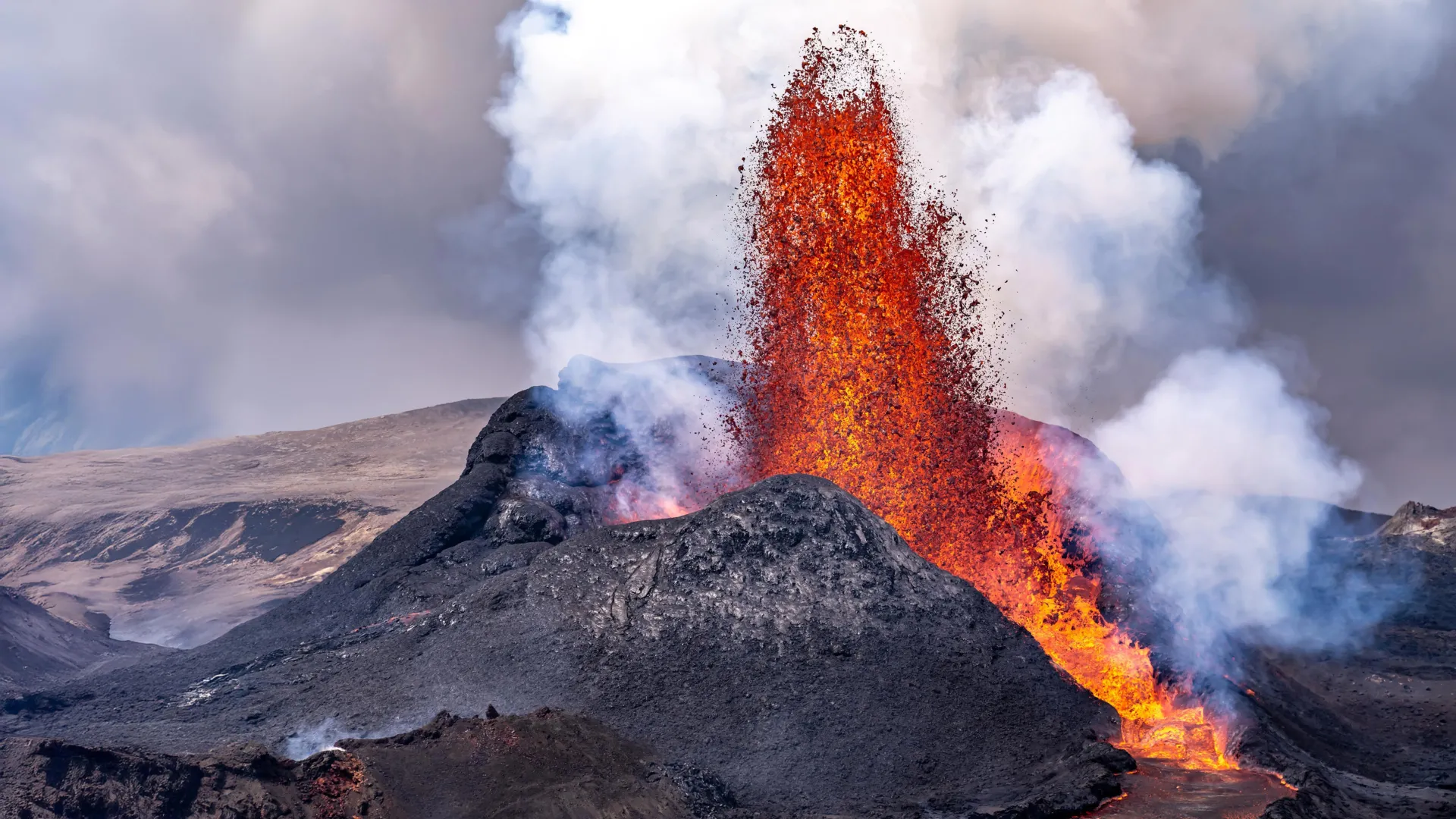
The new evidence points towards volcanic eruptions as the primary drivers of the climate shifts during this period. Volcanic activity can inject vast quantities of ash and aerosols into the atmosphere, which can reflect sunlight and thus lead to a cooling effect on the Earth’s surface. The researchers speculate that a series of eruptions likely occurred around this time, contributing to the environmental changes that initiated the Younger Dryas. This conclusion not only shifts the focus from cosmic impacts to terrestrial processes but also emphasizes the role of volcanic activity in influencing climate patterns throughout Earth's history.
Understanding the mechanisms behind ancient climate phenomena like the Younger Dryas is crucial for several reasons. First, it helps scientists understand the natural variability of the Earth’s climate system. By identifying the triggers of past climate changes, researchers can better predict how current and future climate change may unfold. The implications of these findings extend beyond historical curiosity; they provide insight into the potential impacts of volcanic eruptions today, especially in a world grappling with human-induced climate change. As the climate warms, the likelihood of increased volcanic activity could pose additional challenges for ecosystems and human societies, particularly in vulnerable regions.
This research not only refines our understanding of a critical period in Earth's climatic history but also highlights the importance of interdisciplinary collaboration in the scientific community. The study combined expertise from geology, climatology, and geochemistry, illustrating how complex climate systems can be better understood through diverse scientific lenses. As researchers continue to investigate the interplay between geological events and climate, society stands to benefit from improved predictive models that can inform policy and response strategies in the face of ongoing climate challenges. The findings from Greenland's ice cores have not just solved an ancient mystery; they have also rekindled discussions about Earth's dynamic climate system and the myriad factors that influence it.