Unraveling the Feedback Loops: The Accelerating Warming of the Arctic Environment
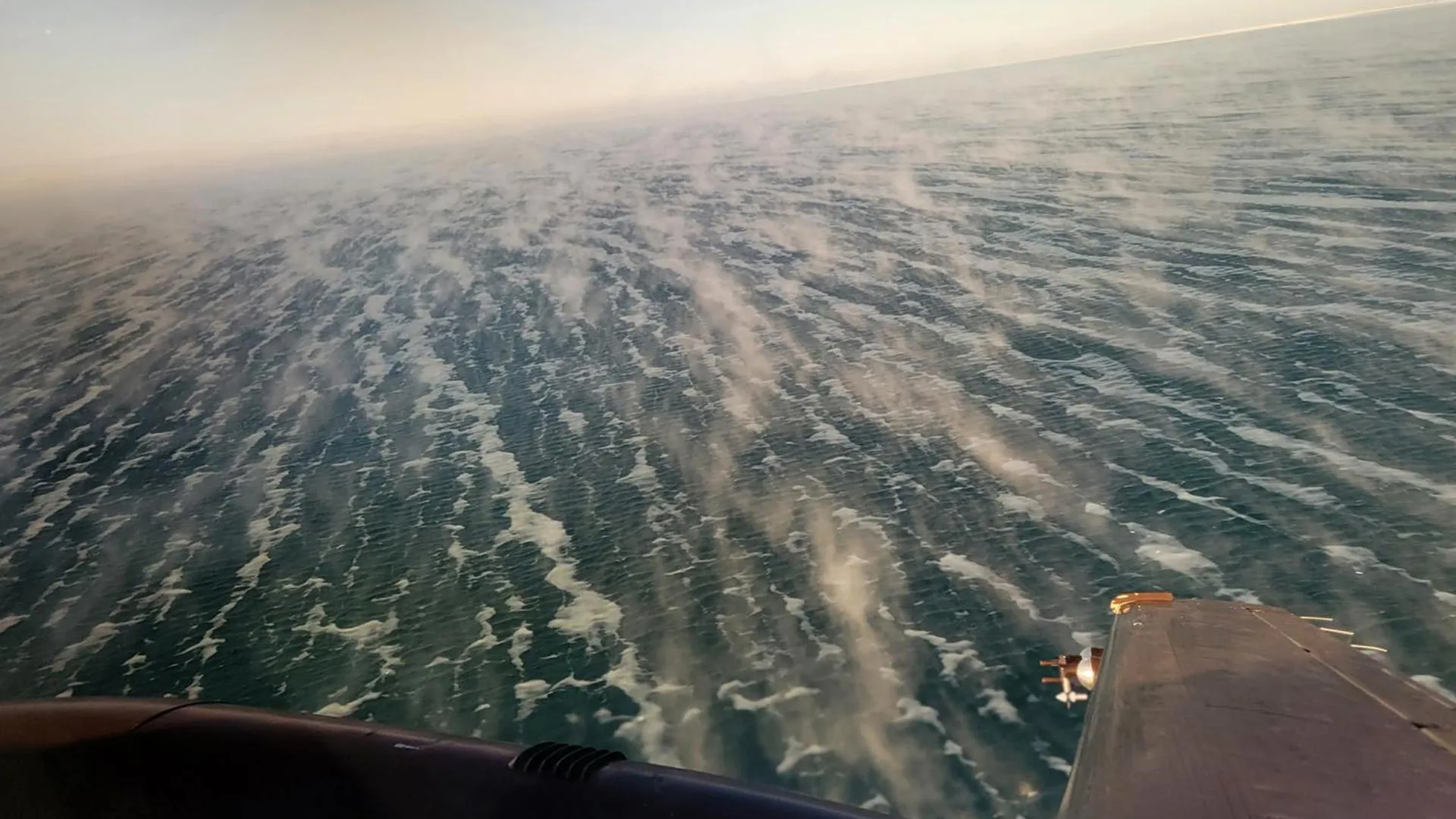
The Arctic region, once characterized by its icy expanses, is undergoing a dramatic transformation that has sparked concerns among scientists and environmentalists. Recent research has revealed a complex interplay of natural and anthropogenic processes that intensify this warming phenomenon. Notably, the melting of sea ice is not only a symptom of climate change but also a catalyst that exacerbates the situation. As cracks in the ice allow more heat and pollutants to escape, they contribute to a feedback loop that accelerates the overall warming of the Arctic. This cycle is not only altering the physical landscape but also has profound implications for global climate patterns.
The melting sea ice releases trapped heat into the atmosphere, which can lead to increased cloud formation. These clouds, while initially seeming to reflect sunlight, can also act as a blanket that traps heat in the atmosphere. This dual role complicates the climate dynamics and enhances warming further. Additionally, pollutants released during the melting process contribute to the formation of smog, which can obscure sunlight and alter local weather patterns. The interaction between these elements creates a situation where the Arctic is not just a passive victim of climate change; it is an active participant in a feedback loop that amplifies its own warming.
Human activities, particularly oil extraction and fossil fuel emissions, also play a crucial role in this scenario. The emissions from nearby oil fields introduce additional pollutants into the atmosphere, which can alter the chemical composition of the air. These changes can lead to more aggressive weather patterns and can further disturb the delicate balance of the Arctic ecosystem. This not only poses risks to the wildlife that inhabits the region but also threatens the livelihoods of indigenous communities who rely on the stability of their environment.
The significance of these feedback loops extends beyond the Arctic itself. As polar ice melts, it contributes to rising sea levels, posing a threat to coastal communities worldwide. Additionally, the loss of ice reduces the Earth’s albedo effect, meaning that less sunlight is reflected back into space. This change can lead to increased global temperatures, thereby affecting weather systems and climate patterns far beyond the Arctic. The interconnectedness of our global climate system means that the consequences of Arctic warming are felt on a much larger scale, raising concerns about extreme weather events, altered precipitation patterns, and shifting ecosystems.
Understanding these feedback mechanisms is essential for developing effective climate policies and mitigating the impacts of climate change. Researchers continuously strive to improve climate models that can accurately predict the interactions between various elements within the Arctic system. The ongoing study of these feedback loops not only helps in comprehending the current state of the Arctic but also serves as a warning about the potential future scenarios we may face if greenhouse gas emissions continue unabated.
In conclusion, the rapidly changing Arctic landscape is a vivid reminder of the urgent need to address climate change. The feedback loops unveiled by scientists illustrate how interconnected and fragile our climate system truly is. The situation calls for immediate action not only to protect the Arctic but also to safeguard global climate stability. As awareness grows, it is imperative that communities, governments, and organizations collaborate to implement strategies that will help mitigate these changes and preserve this critical region for future generations.