Unraveling the Mystery of the Silverpit Crater: A 330-Foot Tsunami and Its Implications
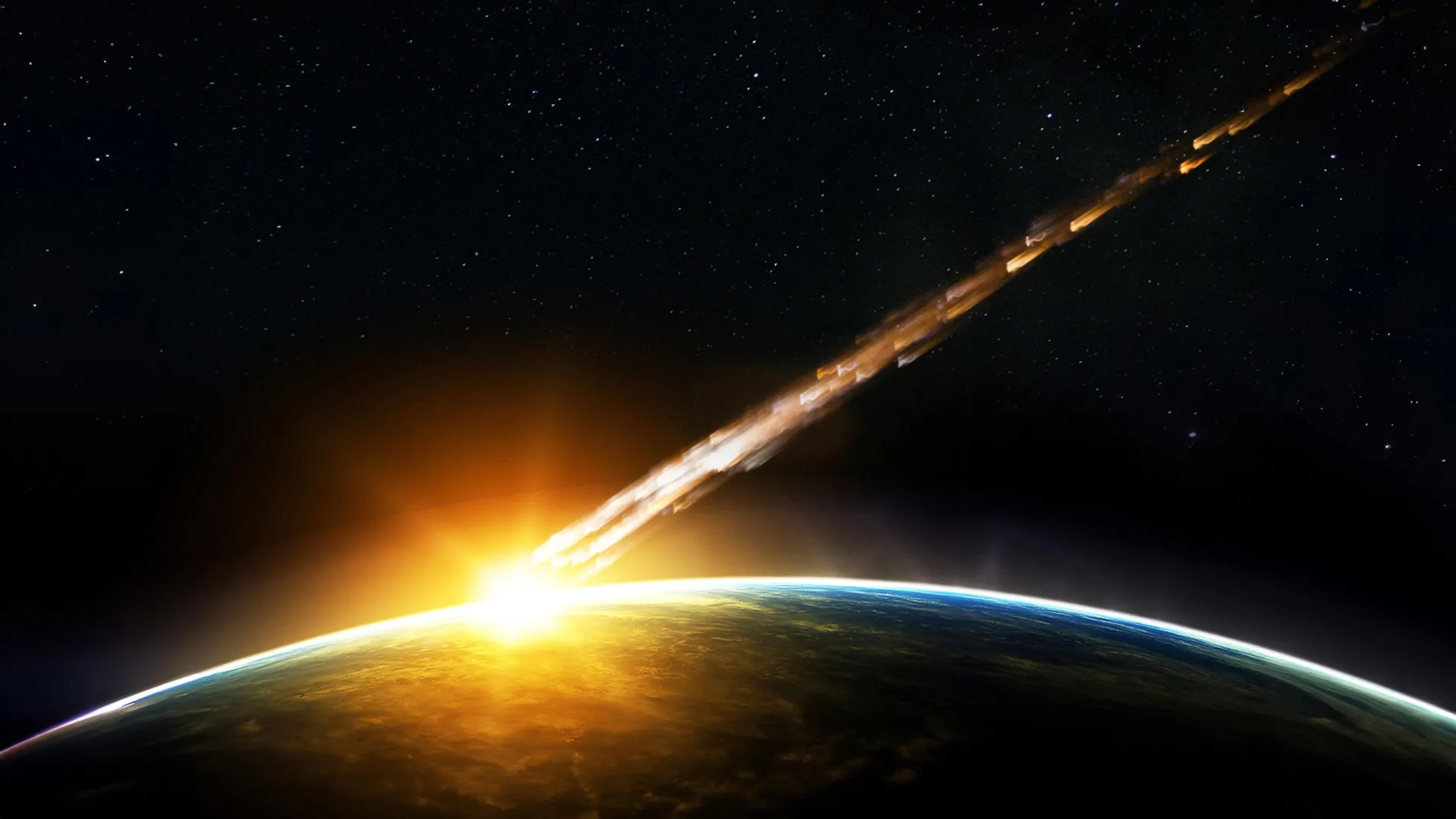
Recent advancements in geological research have shed light on a long-standing enigma beneath the North Sea, known as the Silverpit Crater. This underwater structure, previously the subject of speculation and debate, has now been confirmed to be the result of a significant extraterrestrial event. Approximately 43 to 46 million years ago, a colossal asteroid, measuring around 160 meters in diameter, collided with the Earth's surface, creating a monumental impact that not only formed the crater but also triggered a tsunami estimated to reach heights of over 330 feet. The confirmation of this event is based on new seismic imaging techniques and the discovery of shocked minerals within rock samples, which serve as vital evidence of the asteroid's cataclysmic encounter with our planet.
The findings regarding Silverpit Crater have profound implications for our understanding of Earth's geological history and the impact events that have shaped it. The collision of celestial objects with Earth is not a rare occurrence; throughout the planet's history, numerous impacts have left their mark, influencing both the environment and the evolution of life. The Silverpit impact, occurring during the Eocene epoch, would have released an immense amount of energy, creating a plume of debris that surged into the atmosphere and a tsunami that would have devastated coastal areas in the vicinity. This event highlights the potential dangers posed by asteroids, which continue to orbit our planet, and emphasizes the importance of ongoing monitoring and research in planetary defense.
The discovery of the Silverpit Crater is particularly significant in the context of understanding the climatic conditions of the Earth during the Eocene epoch. At that time, the planet was markedly warmer than it is today, with high levels of carbon dioxide and sea levels that were considerably elevated. The impact of the asteroid would have added to the already volatile conditions, potentially triggering changes in climate patterns and marine ecosystems. The release of ash and gases into the atmosphere could have led to temporary climatic shifts, influencing weather conditions for years or even decades following the impact. This research underscores the interconnectedness of geological events and climatic shifts, showing how external influences can impact Earth's systems on a grand scale.
Scientific inquiries into the Silverpit Crater have not only confirmed its origins but have also opened the door to a deeper understanding of the types of minerals and materials that are formed under extreme pressure and temperature conditions. The shocked minerals found in rock samples, such as quartz, provide invaluable insights into the nature of impact events. These minerals are formed when rocks are subjected to rapid compressive forces, and their study can help researchers understand the physical processes that occur during such catastrophic events. Furthermore, this knowledge can aid in assessing the potential effects of future impacts, allowing scientists to better predict the outcomes of similar scenarios.
The implications of this research extend beyond a mere academic interest; they touch on critical issues related to planetary defense and the potential threats posed by near-Earth objects. With thousands of asteroids and comets traversing our solar system, the risk of a significant impact event remains a concern. The study of craters like Silverpit not only enhances our understanding of past impacts but also informs current efforts to monitor and potentially mitigate the risks associated with future asteroid collisions. Scientists are continually developing new technologies and methods to track these celestial bodies, aiming to protect our planet from potential disasters.
As we continue to explore the depths of our oceans and the history of our planet, findings like those related to the Silverpit Crater serve as reminders of the dynamic forces that have shaped Earth's geological landscape. The confirmation of this massive asteroid impact and the resulting tsunami not only enrich our understanding of our planet's history but also emphasize the need for vigilance in the face of cosmic threats. Understanding the past can provide essential insights into the future, as we navigate the complexities of our changing climate and the challenges posed by both natural and human-induced changes to our environment.