Unveiling California's Seismic Secrets: The Hidden Earthquake Zone Beneath Our Feet
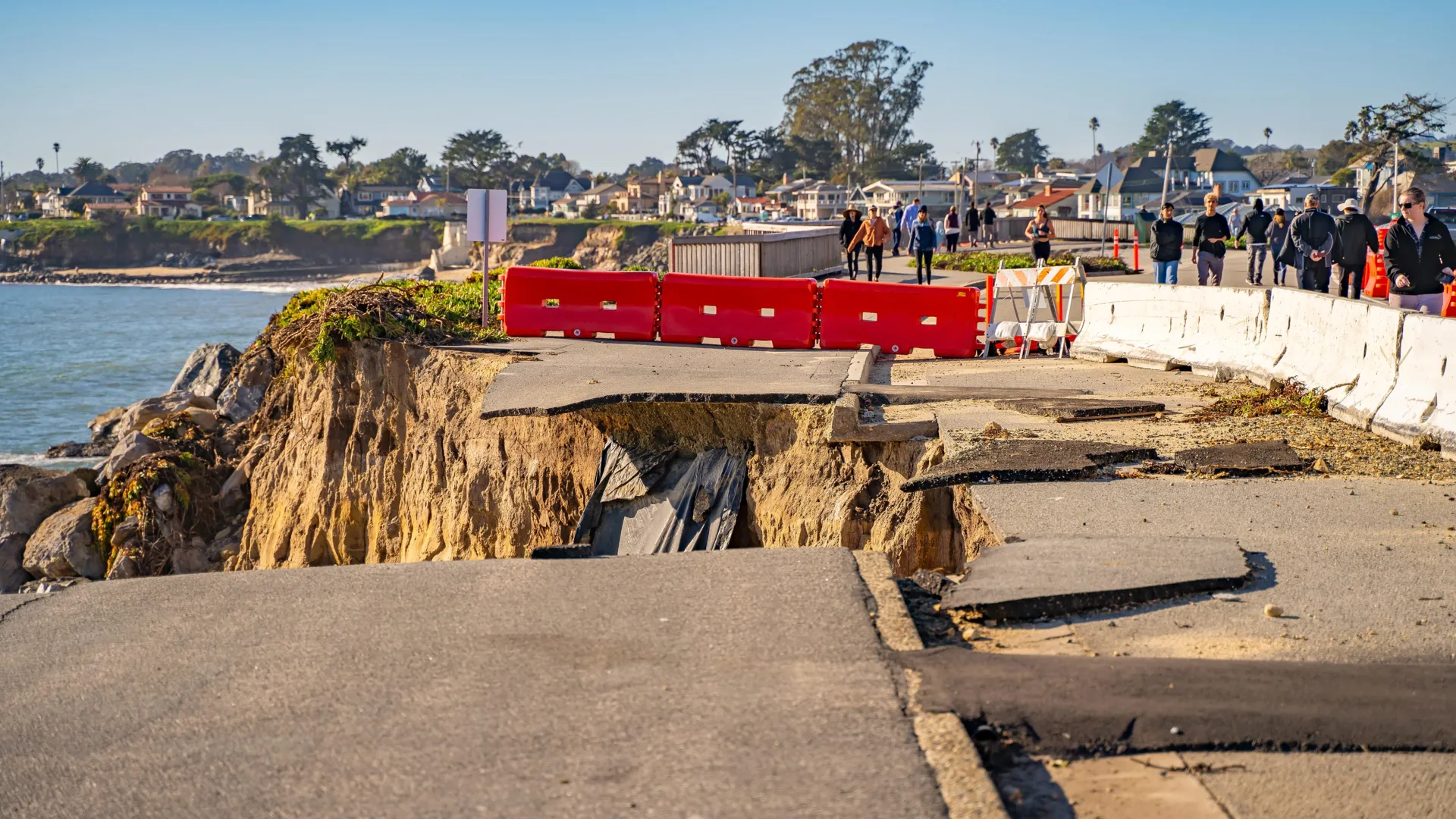
Recent research has brought to light a complex and largely hidden earthquake zone lurking beneath Northern California. Scientists have been diligently monitoring swarms of tiny earthquakes, often too subtle for humans to detect, and their findings are revealing critical insights into the seismic dynamics of this region. This area, where the renowned San Andreas Fault intersects with the Cascadia Subduction Zone, is considered one of North America's most hazardous seismic locales. Understanding the underlying geological processes at play is essential for assessing the potential risks and preparing for future seismic events.
Tiny earthquakes, often called microquakes, typically register below 2.0 on the Richter scale. Although these tremors are not felt by the general population, they serve as valuable indicators of the stresses and movements occurring within Earth's crust. By utilizing advanced seismic monitoring technology, researchers can track these faint tremors and analyze their patterns. These studies provide a window into the behavior of larger fault systems and the complex interactions between tectonic plates. As scientists continue to gather data, they are piecing together a clearer picture of how these small earthquakes can foreshadow more significant seismic activity.
The convergence of the San Andreas Fault and the Cascadia Subduction Zone creates a unique and precarious geological environment. The San Andreas Fault is a transform fault that primarily accommodates lateral motion between the Pacific and North American tectonic plates. In contrast, the Cascadia Subduction Zone involves the oceanic Juan de Fuca Plate being forced beneath the North American Plate. This subduction process generates considerable geological stress, which can lead to the buildup of energy along the fault lines. When this energy is eventually released, it can result in powerful earthquakes that pose a threat to nearby communities.
Understanding the connection between these two tectonic features is crucial for earthquake preparedness. Historical data reveals that significant seismic events in this region have the potential to cause widespread destruction. The 1906 San Francisco earthquake, which resulted in extensive damage and loss of life, is a stark reminder of the devastating power of earthquakes in Northern California. Additionally, the Cascadia Subduction Zone has the potential to generate megathrust earthquakes, which can exceed magnitudes of 9.0. The implications of such an event would be catastrophic, affecting not only California but also coastal regions as far north as British Columbia and as far south as Northern California.
The ongoing research into these tiny earthquakes is not only enhancing our understanding of seismic hazards but also improving risk assessment and mitigation strategies. By accurately mapping the intricate fault systems and monitoring the small tremors, scientists can better predict when and where larger earthquakes may strike. This knowledge is invaluable for emergency preparedness planning, informing building codes, and ensuring that communities are equipped to withstand potential seismic events. The insights gained from studying these microquakes ultimately contribute to a broader understanding of earthquake science and public safety.
As monitoring technologies continue to advance, researchers are optimistic about unraveling the complexities of California's seismic landscape. The findings from these tiny earthquakes underscore the importance of rigorous scientific inquiry and the need for public awareness regarding earthquake preparedness. While these minor tremors may seem insignificant, they are revealing a deeper truth about the forces at play beneath our feet. With an ever-increasing population and urban development in seismically active areas, understanding and respecting the power of the Earth beneath us is more critical now than ever.