Unveiling the Climate Crisis of Easter Island: A Historical Perspective
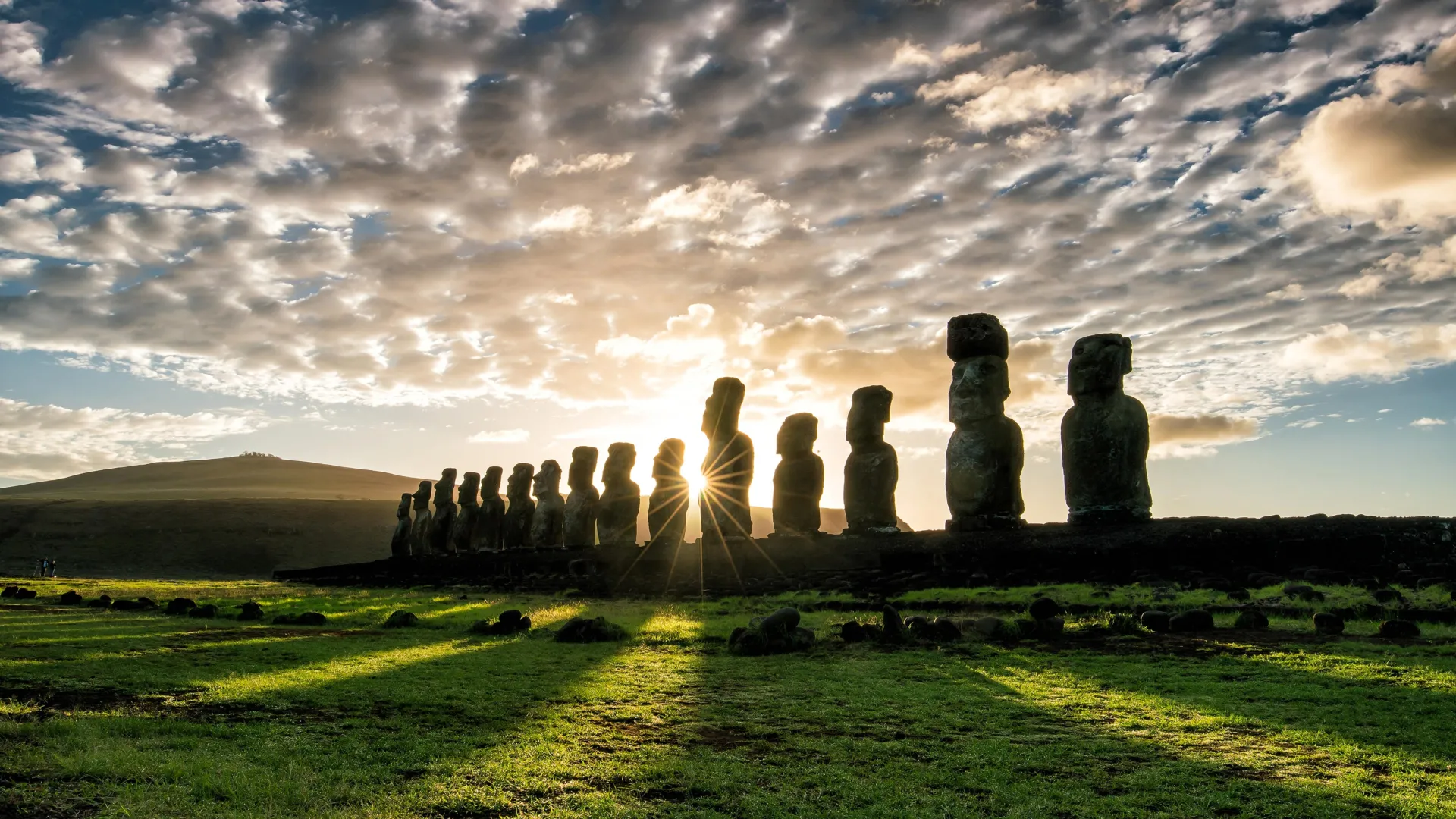
Easter Island, or Rapa Nui, has long captivated the imagination of historians, archaeologists, and climate scientists alike. Known for its iconic moai statues, the island's history has often been shrouded in mystery, particularly regarding the impact of environmental changes on its ancient civilization. Recent research has shed new light on the climatic upheaval that occurred around the mid-16th century, revealing the profound effects of a prolonged drought that reshaped life on this remote island. This investigation not only enhances our understanding of Rapa Nui's past but also underscores the resilience of human societies in the face of climate-induced challenges.
The drought experienced on Easter Island, lasting over a century, had significant implications for the inhabitants of Rapa Nui, who were already living under conditions of limited freshwater resources. Prior studies suggested that the decline of the island’s society was primarily due to deforestation and overpopulation, leading to resource depletion. However, the newly identified climatic event provides critical context to these traditional narratives. By examining sediment cores and other geological evidence, scientists have determined that rainfall levels dropped dramatically, profoundly altering the island’s ecology and the way people interacted with their environment.
The consequences of this extended dry period were not merely ecological; they permeated all aspects of life on the island. Communities were forced to adapt their agricultural practices in response to the diminishing water supply. This adaptation often involved shifting from traditional farming methods to more sustainable practices that could withstand the climatic pressures. Additionally, the drought necessitated changes in social structures and cultural rituals, as the people of Rapa Nui sought to maintain their spiritual and communal identities amidst the stress of environmental degradation. Rather than succumbing to collapse, the Rapanui people demonstrated remarkable resilience, reorganizing their societal frameworks in ways that would enable them to survive and thrive on an increasingly precarious island.
A crucial aspect of this adaptation involved the reconfiguration of sacred spaces and power dynamics within the community. Rituals that once centered around moai construction and maintenance began to shift, reflecting the changing priorities and challenges faced by the Rapanui. The need for water and agricultural productivity took precedence, leading to a transformation in worship practices and the allocation of resources. This shift is an essential reminder that cultural practices are not static; they evolve in response to external pressures, showcasing humanity's ability to innovate and adapt in the face of adversity.
The implications of these findings extend beyond the historical context of Rapa Nui. As climate change poses similar threats to modern societies around the globe, understanding how ancient populations responded to environmental stressors can provide valuable insights into contemporary resilience strategies. The ability of the Rapanui to adapt their social and cultural practices amidst prolonged drought serves as a powerful lesson in sustainability. It emphasizes the importance of flexibility and ingenuity in the face of changing environmental conditions, reminding current and future generations that adaptation is not only possible but necessary for survival.
In conclusion, the recent revelations about the climate crisis that reshaped Easter Island offer a nuanced understanding of the interplay between environment and society. The narrative of Rapa Nui is not one of failure or collapse, but rather a testament to human resilience and adaptability. As climate scientists continue to study the effects of long-term environmental changes on human societies, the experiences of the Rapanui provide a critical lens through which to evaluate our responses to similar challenges today. Ultimately, the story of Easter Island serves as a powerful reminder of the need to respect and understand our environment, ensuring that we can forge paths toward a sustainable future while honoring the lessons of our past.