Unveiling the Ice: New Insights into the Snowball Earth Phenomenon
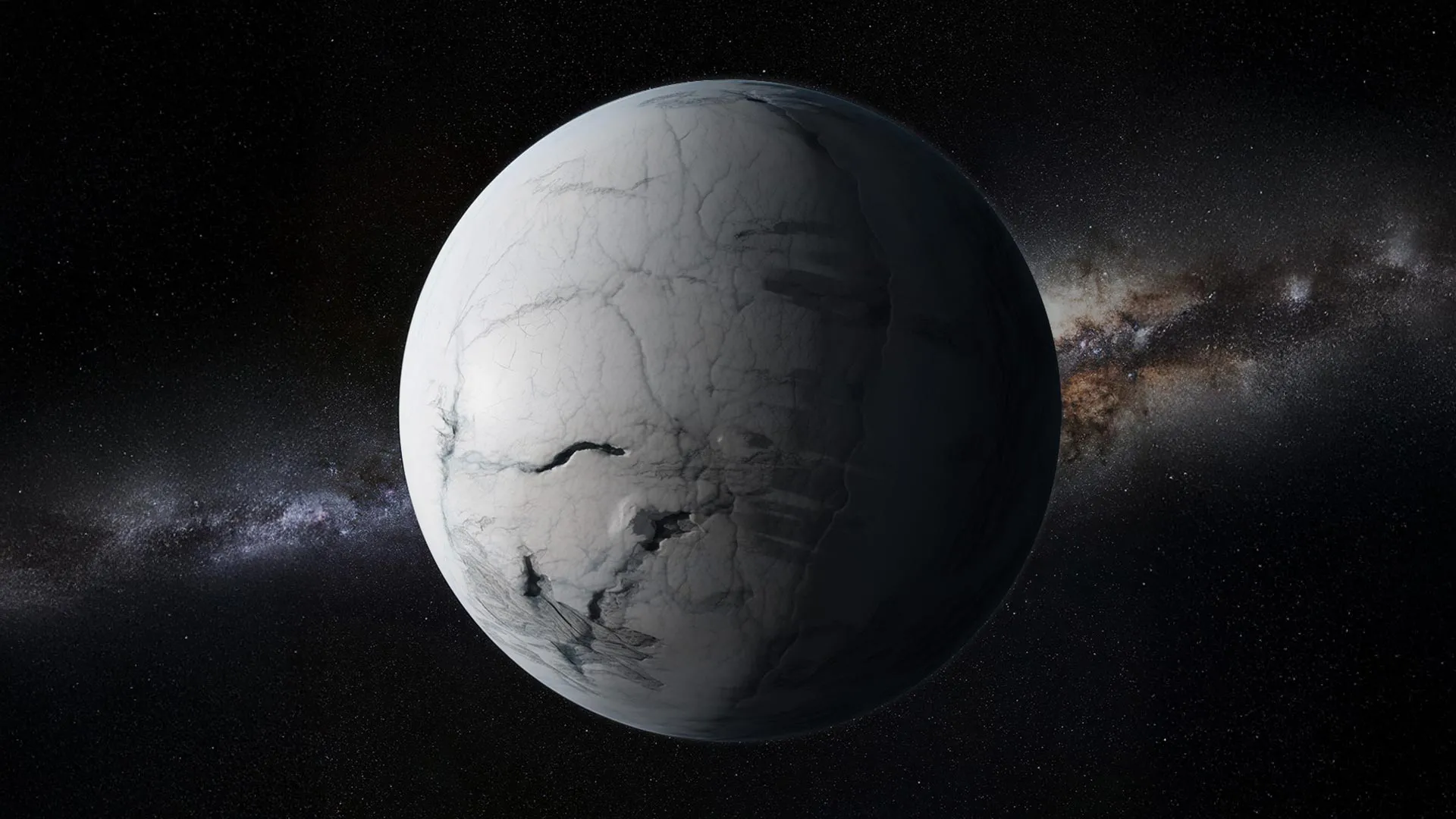
Recent research has shed new light on one of the most extreme climatic events in Earth's history, known as Snowball Earth. This phenomenon, which took place during the late Proterozoic era, saw the planet almost entirely enveloped in ice, with glacial sheets extending into the tropics. However, a groundbreaking study of ancient rocks from Scotland suggests that this era was not a time of complete climatic stasis. Instead, the findings indicate that dynamic climate patterns persisted even in such harsh conditions, revealing a more complex picture of how Earth’s climate has operated over geological time.
The concept of Snowball Earth has captivated scientists for decades, primarily because of its implications for our understanding of climate systems. During this period, which is estimated to have occurred between 720 and 635 million years ago, the Earth appeared as a massive frozen sphere when viewed from space. The pervasive ice cover, which reached even the equatorial regions, led to speculation that the planet's biosphere was effectively silenced under a thick blanket of ice. However, the new study challenges this notion, suggesting that beneath the icy surface, significant climatic activity was still occurring.
Researchers have analyzed sedimentary rock formations in Scotland, which provide crucial evidence of ancient environmental conditions. These rocks contain chemical signatures that suggest the presence of seasonal climate changes and fluctuations similar to those we experience today, including variations linked to solar cycles. Furthermore, the study highlights the possibility of climatic phenomena akin to modern El Niño events, which are characterized by periodic warming of ocean surface temperatures in the central and eastern Pacific. Such findings imply that even during extreme ice ages, complex interactions between the atmosphere and ocean persisted, allowing for some degree of climatic variability.
The implications of these findings are profound, as they reshape our understanding of how climate systems can operate under extreme conditions. The persistence of seasonal and cyclical climate patterns during Snowball Earth suggests a resilience in the Earth's climate system that may not have been previously recognized. This revelation is particularly significant in the context of current climate change, as it raises questions about the potential for similar climate dynamics to emerge in our warming world. It underscores the importance of understanding past climate behavior to better predict future trends and responses.
Moreover, the study serves as a reminder of the intricate interplay between Earth’s geological processes and its climate. The presence of life during the Snowball Earth period is also a topic of interest. Some scientists believe that the survival of microbial life during these extreme conditions may have been facilitated by pockets of liquid water beneath the ice, which could have supported ecosystems. This leads to exciting avenues of research about how life adapts and thrives in extreme environments, providing insights that may be relevant to astrobiology and the search for life on other celestial bodies.
As research continues to unveil the complexities of past climate events like Snowball Earth, it becomes increasingly clear that the planet's climate history is far from straightforward. The new findings from Scottish rocks not only enhance our understanding of ancient climates but also highlight the importance of examining geological records to uncover the lessons they hold for contemporary climate science. As we face unprecedented changes to our climate today, the history of Earth’s extreme conditions offers vital context for understanding our current trajectory and its potential future.