Unveiling the Majesty of the King's Trough: A 500-Kilometer Underwater Canyon System
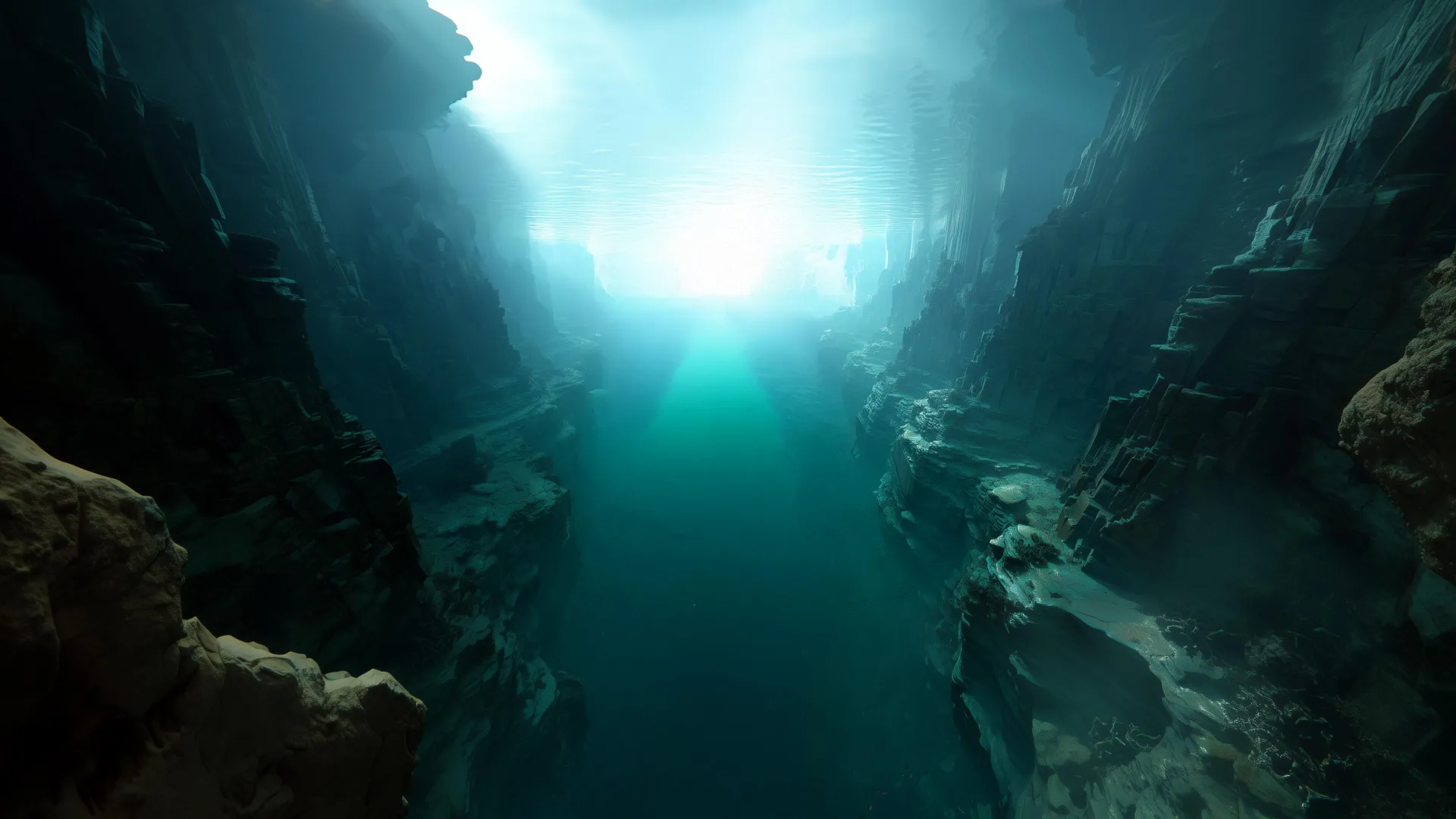
An astonishing geological discovery lies hidden beneath the Atlantic Ocean, roughly 1,000 kilometers off the picturesque coast of Portugal. Here, the King’s Trough Complex stretches over 500 kilometers, featuring a breathtaking array of underwater trenches and deep basins that dwarf even the iconic Grand Canyon. This majestic underwater landscape is not a product of the relentless flow of water, but rather a result of powerful tectonic forces that have reshaped the seafloor over millions of years. Understanding the formation and significance of this underwater canyon system not only highlights the dynamic nature of our planet but also reveals critical insights into the processes that govern oceanic geology.
The King’s Trough Complex is a testament to the complex interplay of tectonic plate movements that are constantly reshaping the Earth's crust. Formed primarily through a combination of rifting and subsidence, this canyon system showcases the dramatic effects of tectonic forces that can tear apart the seafloor. As tectonic plates shift, they create stress and strain in the Earth's crust, leading to fractures and openings. Over time, these fractures can evolve into vast canyons and trenches, making the King’s Trough an exceptional example of how geological processes operate beneath the ocean's surface. Such formations are crucial for scientists as they provide valuable data on tectonic activity, fundamental to understanding the Earth's geological history and predicting future seismic events.
The significance of the King’s Trough extends beyond its impressive size and the geological processes that formed it. This colossal underwater canyon system plays a vital role in the marine ecosystem and oceanographic processes. The deep basins and trenches create unique habitats that support a diverse array of marine life. Species that thrive in these deep-sea environments often possess specialized adaptations that allow them to survive in high-pressure, low-light conditions. The ecological importance of the King’s Trough cannot be understated, as it serves as a refuge for various organisms, some of which remain undiscovered and are yet to be classified by science.
Moreover, the King’s Trough Complex has implications for our understanding of climate change and its effects on oceanic systems. The intricate topography of the canyon influences ocean currents and nutrient distribution, which are critical components of the global climate system. As ocean temperatures rise due to climate change, the dynamics of these currents may shift, potentially altering climate patterns and impacting marine biodiversity. Studying underwater canyons like the King’s Trough can provide scientists with insights into how changes in ocean circulation affect global climate and marine ecosystems, highlighting the need for ongoing research in these areas.
In addition to its ecological significance, this underwater canyon system also offers potential insights for resources and human activity. The King’s Trough may be rich in minerals and other resources that are increasingly sought after as technology advances. However, the exploration and potential exploitation of these resources raise important questions about environmental stewardship and the impact of human activity on fragile marine ecosystems. Sustainable practices must be at the forefront of any exploration efforts to ensure that we do not irreparably damage these vital underwater habitats.
The discovery and ongoing research of the King’s Trough Complex underscore the importance of ocean exploration and our need to understand the intricate systems that govern our planet. As scientists continue to study this awe-inspiring canyon system, they aim to uncover not only the history of its formation but also the broader implications of its existence for our understanding of Earth’s geological processes and climate dynamics. The King’s Trough is more than just a geological feature; it is a reminder of the hidden wonders that lie beneath the ocean's surface and the ongoing need for scientific inquiry into the depths of our planet.