Unveiling the Secrets of the Deep: A Stunning Hydrothermal Discovery Near Milos, Greece
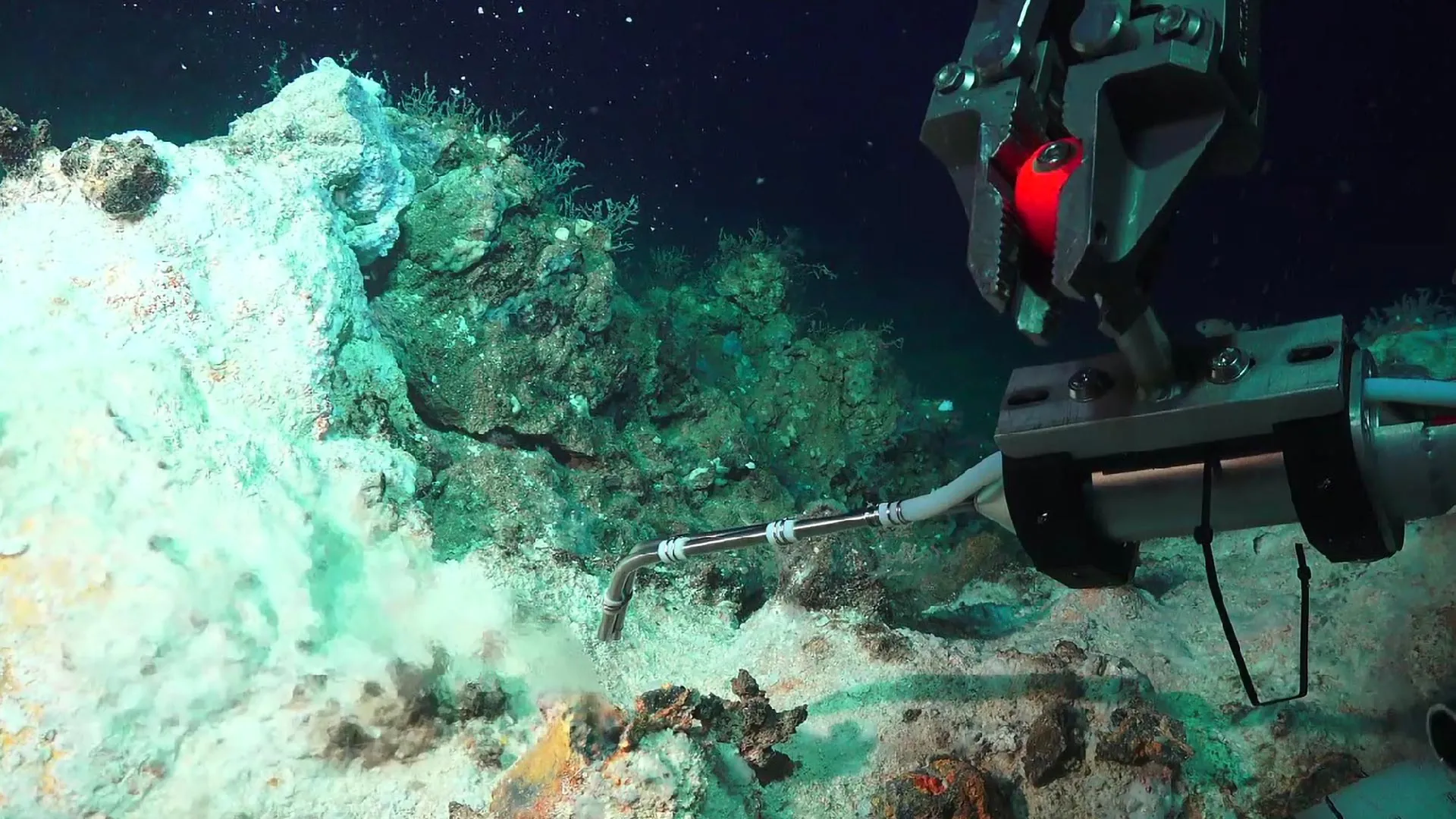
A groundbreaking discovery has emerged from the depths of the Aegean Sea, as a team of scientists has identified an extensive underwater hydrothermal field near the island of Milos, Greece. This remarkable find, located along active geological fault lines, highlights the dynamic processes at play beneath the Earth's crust. Hydrothermal vents, known for their unique ecosystems and extraordinary geological features, serve as vital indicators of the planet's geothermal activity and the interactions between the ocean and the Earth's interior.
Researchers were astonished by the sheer scale and complexity of the vent system. During a series of deep-sea explorations, scientists observed boiling fluids spewing from the ocean floor, creating a dramatic contrast against the surrounding cold waters. These vents release gas-rich fluids that can reach temperatures significantly higher than the surrounding sea, creating an environment where life thrives in extreme conditions. The vibrant microbial mats that cover the seafloor around these vents are home to unique organisms that rely on chemosynthesis, a process that allows them to convert chemical energy from the vents into organic matter, supporting a diverse ecosystem that is unlike any other on Earth.
The significance of this discovery extends beyond the immediate biological implications. Hydrothermal vents are crucial for understanding the geological processes that shape our planet. They provide insights into the heat and mineral exchange between the Earth's crust and the ocean, which plays a significant role in regulating the Earth's climate over geological timescales. The Milos hydrothermal field is particularly important as it offers a rare opportunity to study these processes in a relatively accessible location within the Mediterranean Sea, an area known for its complex tectonic activity and rich geological history.
Geological fault lines, like those found near Milos, are not just pathways for hot fluids to escape; they are also indicators of the tectonic forces at work beneath the Earth's surface. The movement of tectonic plates creates fractures in the crust, allowing for the escape of heated materials from the mantle. This process can lead to the formation of new landforms and contributes to the overall dynamism of the region. Understanding the relationship between these faults and hydrothermal activity can also provide researchers with valuable data regarding potential seismic events, offering a glimpse into the intricate balance of geological forces at play.
The ecological implications of the Milos hydrothermal field are profound. The unique organisms found in these ecosystems can provide insights into life's adaptability and resilience. Studying these extremophiles may also have applications beyond Earth, such as informing the search for extraterrestrial life in similar environments on other celestial bodies. The extreme conditions of hydrothermal vents resemble some of the environments thought to exist on icy moons, such as Europa and Enceladus, where liquid water and geothermal activity may also be present.
As research continues, the Milos hydrothermal field is poised to become a focal point for scientists studying both marine biology and geology. Future expeditions will likely reveal even more about the intricate relationships between geological processes and life in extreme environments. This discovery not only enhances our understanding of Earth's systems but also underscores the importance of preserving these unique habitats, which are crucial for scientific research and biodiversity. The findings from Milos could provide a roadmap for future explorations and highlight the ongoing need to protect our oceans and the myriad of life forms they harbor.