Warm Water Advancing Toward Antarctica's Ice Shelves Poses Growing Threat to Global Sea Levels
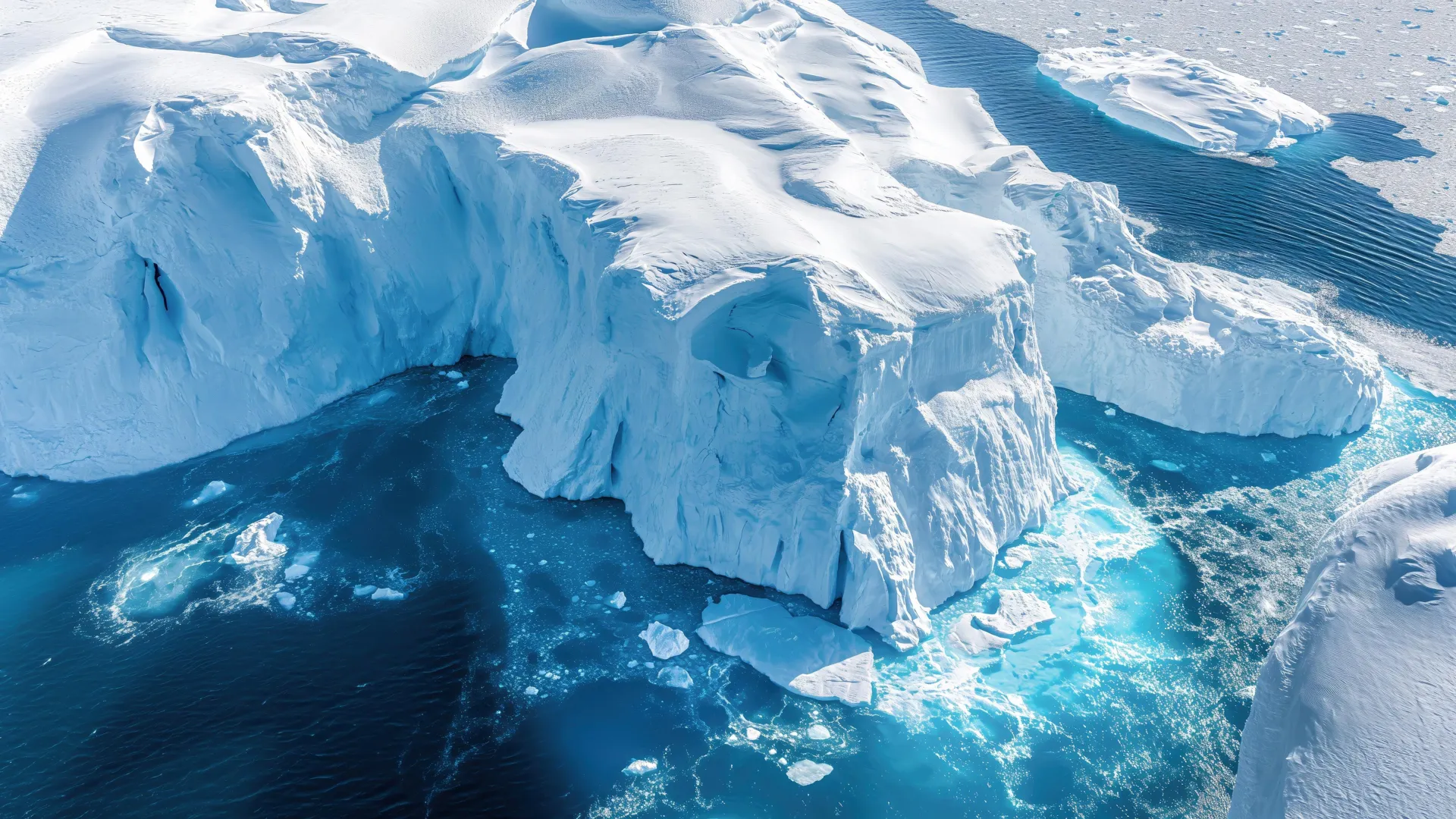
Deep beneath the surface of the Southern Ocean, a slow-moving but potentially catastrophic process is underway that could reshape coastlines around the world. Scientists have documented for the first time a clear and sustained expansion of warm water masses creeping toward the Antarctic continent, bringing heat that threatens to accelerate the melting of ice shelves that currently hold back enormous volumes of land-based ice from sliding into the sea.
The research combined decades of ship-based ocean measurements with data from autonomous robotic floats and sophisticated machine learning algorithms to build the most detailed picture yet of how subsurface ocean temperatures have changed around Antarctica over the past 20 years. The results reveal that circumpolar deep water, a massive pool of relatively warm water that circulates around Antarctica at intermediate depths, has both expanded in volume and shifted its position closer to the continental shelf where it can interact with the floating ice shelves that fringe the continent.
Circumpolar deep water typically sits at depths between 200 and 1,000 meters, well below the surface where it remains largely invisible to satellite observations and surface measurements. Despite its name suggesting moderate temperatures, this water mass is significantly warmer than the near-freezing surface waters and ice that characterize Antarctic coastal environments. When circumpolar deep water reaches the undersides of floating ice shelves, even small temperature differences can drive substantial melting, gradually thinning the ice from below in a process that is difficult to observe but can have enormous consequences.
The ice shelves that ring Antarctica serve a critical function in the global climate system by acting as buttresses, or natural dams, that slow the flow of land-based glaciers into the ocean. When these shelves thin or collapse, the glaciers behind them accelerate, delivering more ice to the ocean and directly contributing to sea level rise. Several Antarctic ice shelves have already experienced dramatic thinning or partial collapse in recent decades, and researchers have identified warming ocean water as the primary driver of these changes in most cases.
What makes the new findings particularly alarming is the evidence that the warm water intrusion is not a temporary fluctuation but a sustained trend driven by changes in ocean circulation patterns that may themselves be linked to broader climate change. Shifts in wind patterns around Antarctica, potentially connected to the expansion of the ozone hole and increasing greenhouse gas concentrations, appear to be altering the pathways through which warm deep water reaches the continental shelf. These circulation changes could create self-reinforcing feedbacks, where initial warming triggers further changes in ocean dynamics that bring even more heat to vulnerable ice shelves.
The implications for global sea level projections are sobering. Antarctica's ice sheets contain enough frozen water to raise global sea levels by approximately 58 meters if they were to melt entirely, a scenario that would unfold over centuries to millennia rather than years. However, even partial loss of ice from vulnerable sectors such as the West Antarctic Ice Sheet could contribute several meters of sea level rise, enough to threaten hundreds of millions of people living in coastal areas worldwide. By revealing the mechanisms through which ocean heat reaches Antarctic ice, this research provides critical information for improving the climate models that governments and communities rely on to plan for an uncertain coastal future.