Warming Rivers Turn Invasive Pike Into Relentless Salmon Predators Across Alaska
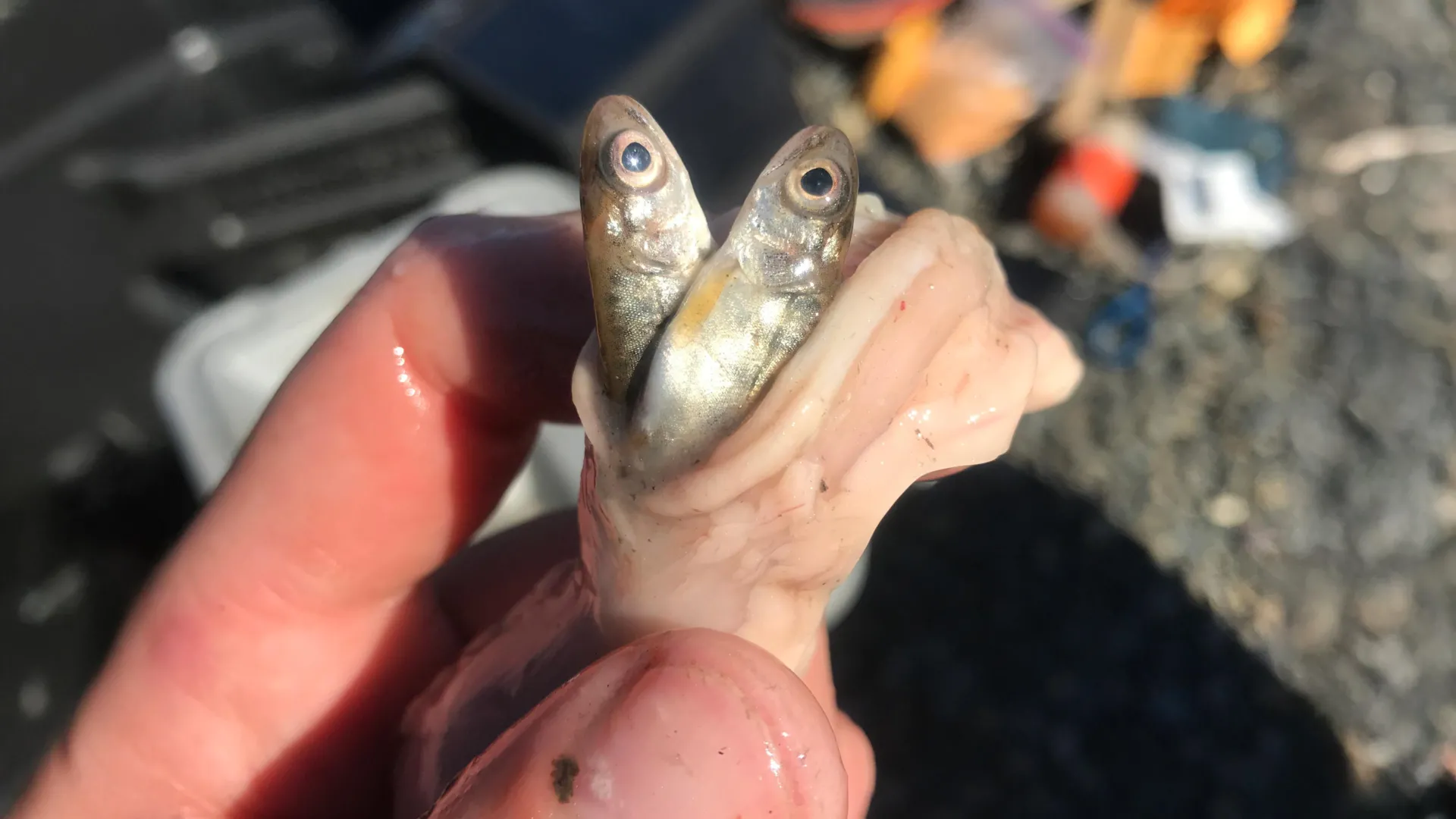
Alaska's freshwater ecosystems are facing an escalating threat as rising water temperatures supercharge the predatory behavior of invasive northern pike, creating a devastating combination that could push already struggling salmon populations toward collapse. New research reveals that pike of all age classes are consuming dramatically more fish as rivers and lakes warm, with juvenile pike increasing their food intake by more than 60 percent compared to historical baselines. The findings paint a troubling picture of how climate change can amplify the damage caused by invasive species, creating ecological feedback loops that accelerate biodiversity loss.
Northern pike are not native to most of Alaska's salmon-bearing waters. They were illegally introduced to several river systems decades ago by anglers seeking new sport fishing opportunities, and have since spread to hundreds of lakes and streams across the state. Pike are ambush predators perfectly evolved for hunting other fish, possessing elongated bodies, powerful jaws lined with hundreds of backward-facing teeth, and the ability to accelerate with explosive speed from a concealed position. Young salmon, known as smolts, are particularly vulnerable during their freshwater rearing phase when they must share habitat with these voracious hunters.
The mechanism connecting warmer water to increased predation is rooted in basic metabolic physiology. Pike are ectothermic animals whose body temperature, and therefore metabolic rate, is determined by the surrounding water. As temperatures rise, their cellular processes accelerate, demanding more energy to sustain basic biological functions. This metabolic increase translates directly into greater hunger and more frequent hunting behavior. Scientists studying pike in warming Alaskan waterways found that the relationship between temperature and consumption was consistent across all size classes, meaning that even small juvenile pike were eating proportionally more prey fish as conditions warmed.
The consequences for Pacific salmon species are potentially severe. Alaska's salmon populations are already under pressure from multiple stressors including ocean warming, changing marine food webs, habitat degradation, and variable ocean survival rates. Many runs of Chinook and coho salmon have declined significantly in recent decades, prompting fishing restrictions and raising concerns about the long-term viability of subsistence and commercial fisheries. Adding intensified freshwater predation to this list of challenges could reduce the number of juvenile salmon that successfully migrate to the ocean, further depressing adult returns in subsequent years and creating a downward spiral that becomes increasingly difficult to reverse.
Wildlife managers face difficult decisions about how to respond to this growing threat. Traditional pike suppression efforts, including gillnetting, targeted fishing derbies, and habitat modification, have shown limited success in controlling established populations over large geographic areas. The sheer number of interconnected waterways in Alaska makes comprehensive pike removal virtually impossible with current technology and funding levels. Some biologists have proposed more aggressive interventions such as chemical treatments of isolated pike populations or the construction of barriers to prevent further spread, but these approaches carry their own ecological risks and face significant logistical challenges in remote Alaskan landscapes.
The broader ecological lesson from this research underscores how climate change functions as a threat multiplier for existing environmental problems. Invasive pike were already problematic for Alaska's salmon before temperatures began rising noticeably, but warming has effectively turned up the dial on their destructive potential. Similar dynamics are playing out across the globe as rising temperatures alter predator-prey relationships, shift competitive advantages between native and invasive species, and disrupt the timing of biological events that once kept ecosystems in balance. Managing these compound threats will require integrated strategies that address both the underlying climate drivers and the immediate ecological pressures they intensify.