Wildfire Emissions: An Underestimated Threat to Air Quality and Public Health
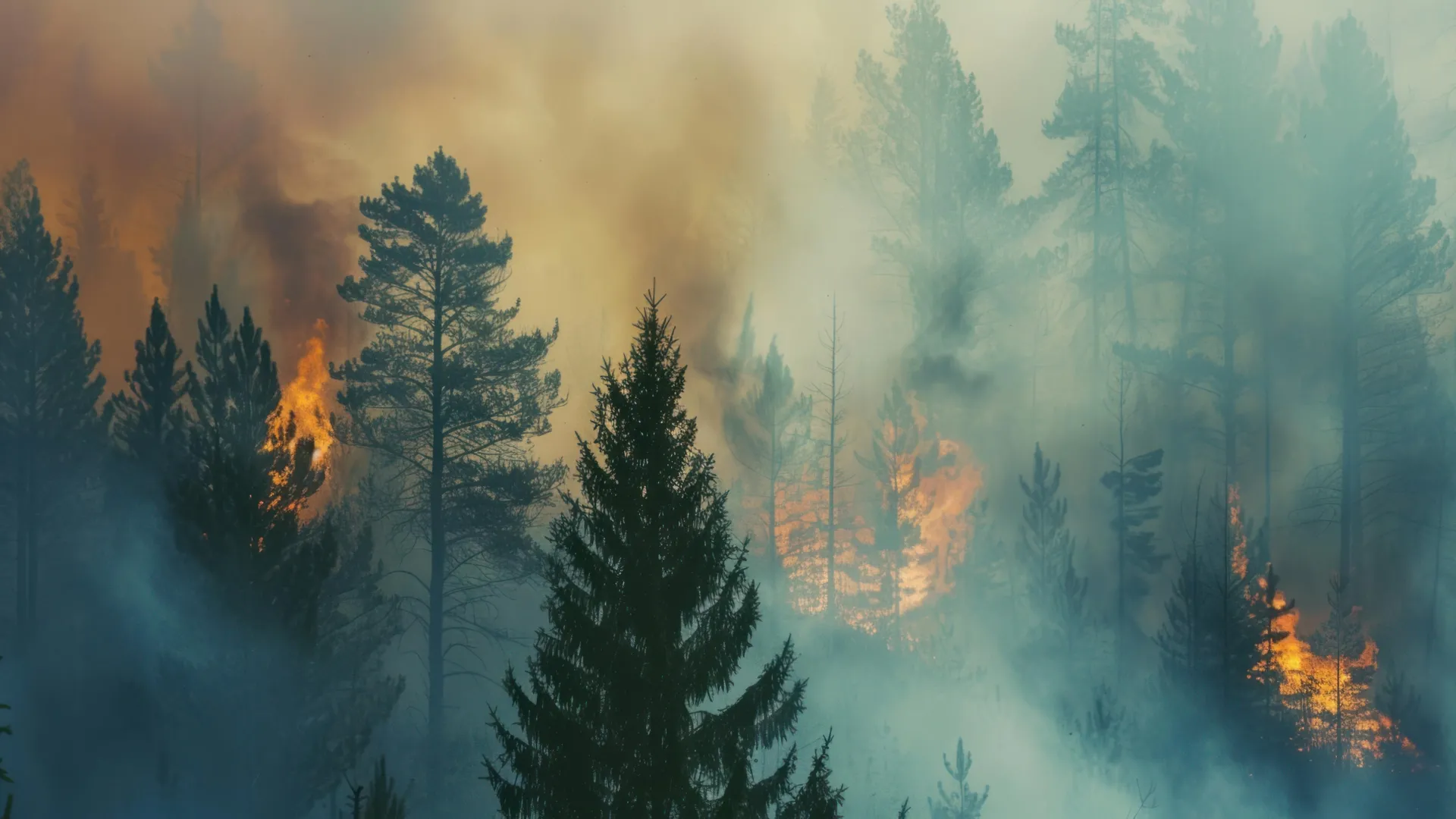
Recent research has unveiled startling revelations about the impact of wildfires on air quality. Scientists now assert that wildfires are responsible for releasing significantly higher levels of air-polluting gases than previously recognized. This finding underscores the need for a reassessment of how we view the environmental consequences of wildfires, particularly in an era marked by frequent and intense fire seasons. The implications are far-reaching, affecting not only ecological systems but also public health and air quality standards across the globe.
The study indicates that many pollutants emitted by wildfires can undergo transformation into fine particulate matter, which poses serious health risks when inhaled. These fine particles, often referred to as PM2.5, can penetrate deep into the lungs and even enter the bloodstream, leading to a multitude of health issues including respiratory diseases, cardiovascular problems, and exacerbation of pre-existing conditions. The research highlights that in some regions, the pollution generated by wildfires rivals that produced by human-made sources, such as vehicle emissions and industrial activities. This revelation is particularly alarming for communities located near wildfire-prone areas, where prolonged exposure to smoke can lead to severe health consequences.
Historically, the focus on air quality has predominantly centered around emissions from urban pollution and industrial activities. However, with the increasing frequency and intensity of wildfires due to climate change, it is crucial to expand this perspective. Wildfires are not merely sporadic events; they are becoming a persistent hazard that contributes significantly to air pollution, especially during peak fire seasons. The smoke from these fires can travel vast distances, affecting air quality far beyond the immediate vicinity of the flames. For instance, smoke from wildfires in California can affect air quality as far away as New York City, demonstrating the extensive reach of wildfire smoke.
The findings of this study also shed light on the duration of smoke-related pollution. Wildfire smoke is notorious for lingering long after the flames have been extinguished. This phenomenon is partly due to the transformation of volatile organic compounds (VOCs) and other gases into particulate matter, which can persist in the atmosphere and contribute to smog formation. Understanding this process is essential for developing effective air quality management strategies. It highlights the necessity for improved monitoring systems that can track these emissions over time and provide timely information to affected communities.
As policymakers and public health officials grapple with the implications of this research, there is an urgent need for comprehensive strategies to mitigate the impacts of wildfire smoke. This includes enhancing predictive models for wildfire behavior and smoke dispersion, as well as establishing more robust air quality monitoring networks. Moreover, public awareness campaigns can educate communities about the dangers of wildfire smoke and the steps they can take to protect their health, such as staying indoors during high smoke events and using air purifiers.
In conclusion, the newly uncovered data regarding the emissions from wildfires serves as a wake-up call for both scientists and the public. As climate change continues to exacerbate wildfire conditions, understanding the full scope of their impact on air quality is more critical than ever. Acknowledging and addressing the hidden dangers of wildfire smoke can lead to better health outcomes and more effective environmental policies. The time has come to prioritize wildfire emissions in our air quality discussions, ensuring that we protect both our environment and our communities from this underestimated threat.